
Last updated October 16, 2026
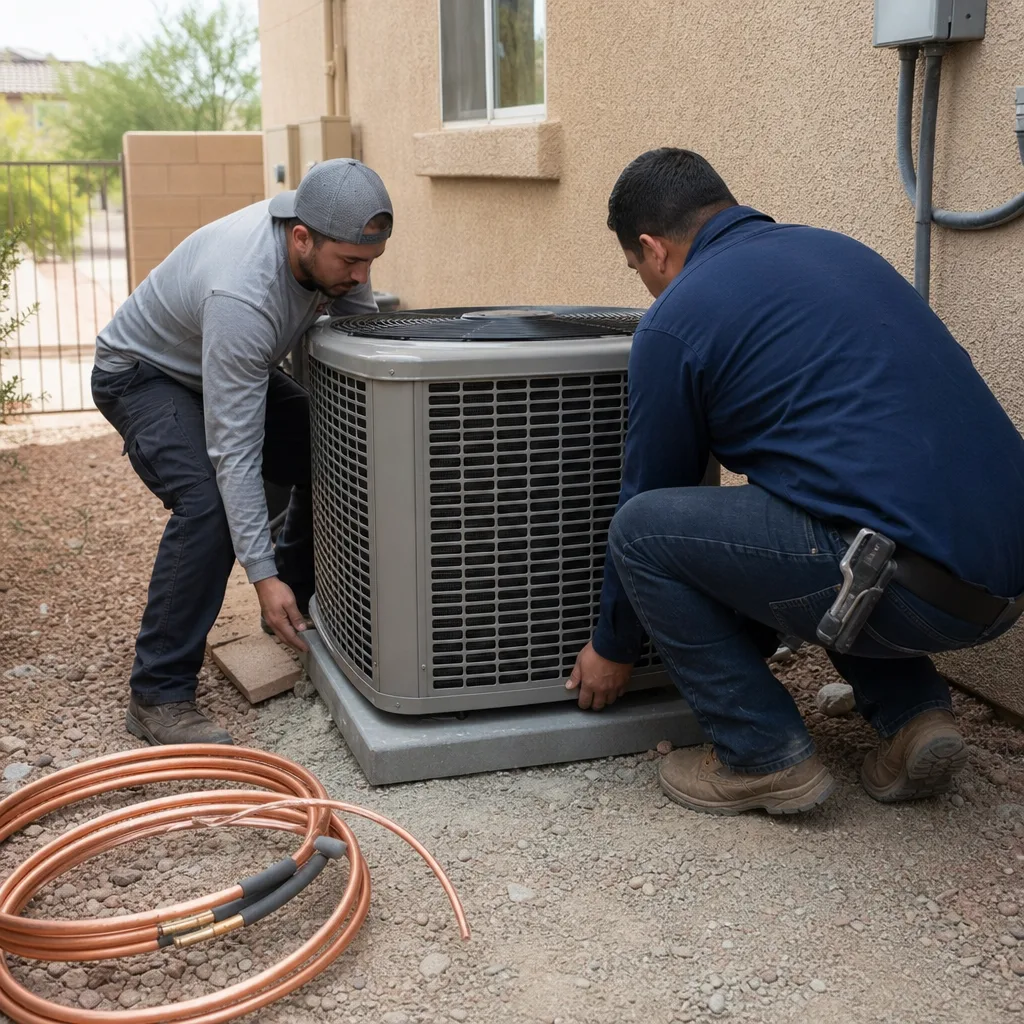
 AC repair
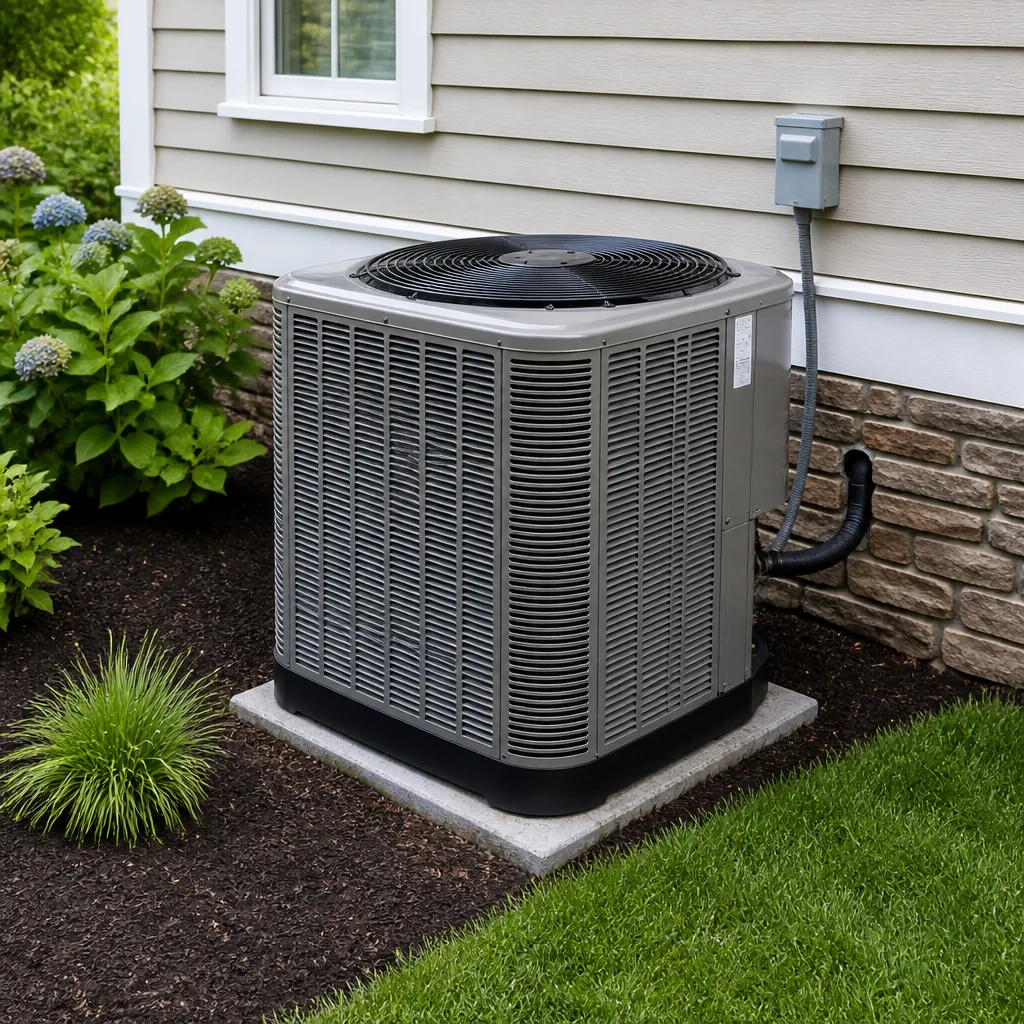
 Furnace & heating
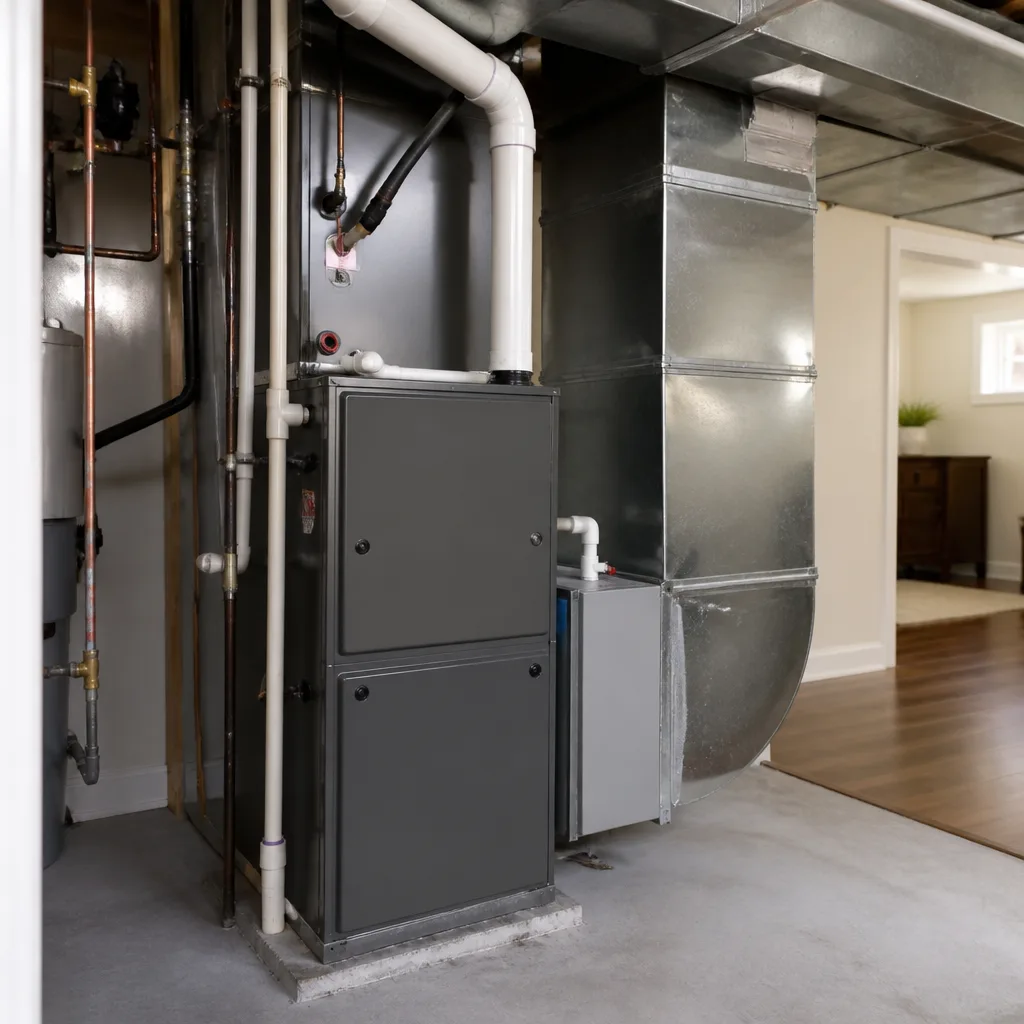
 Heat pumps
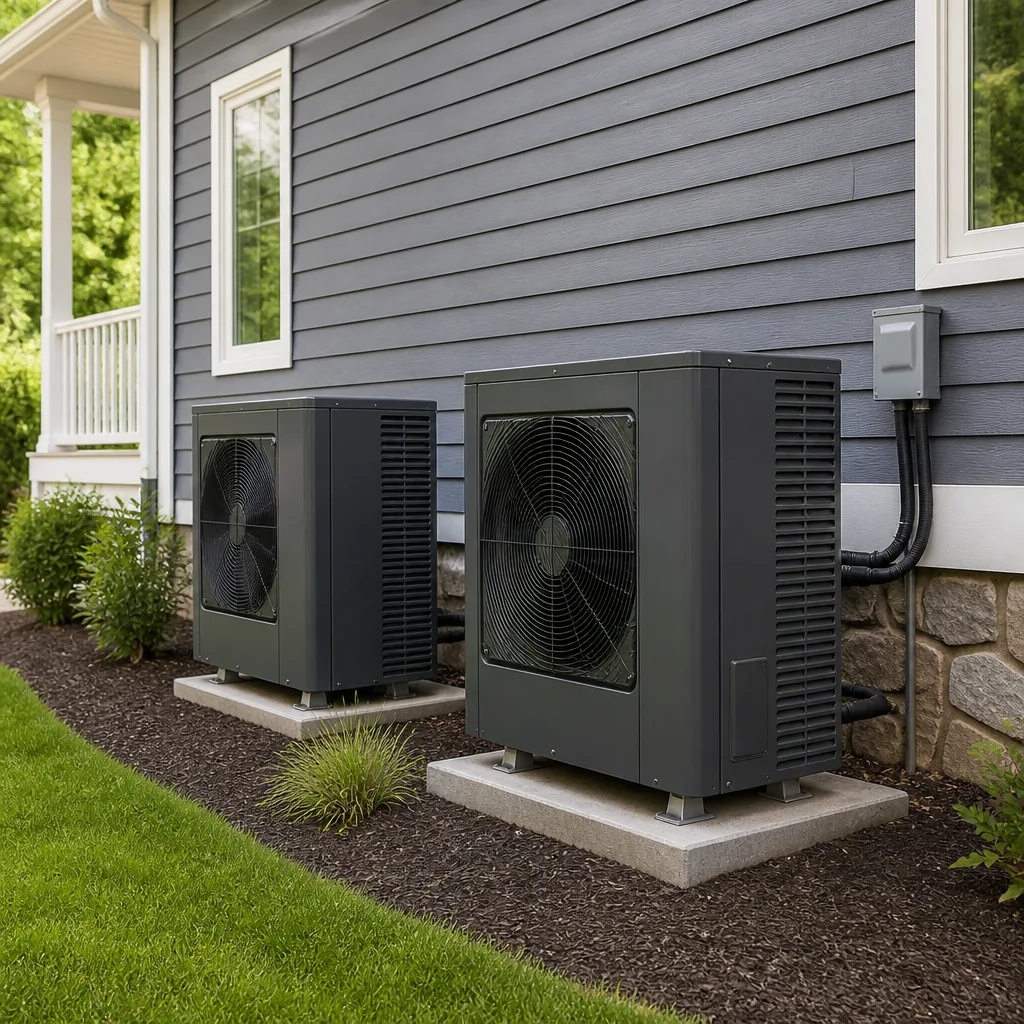
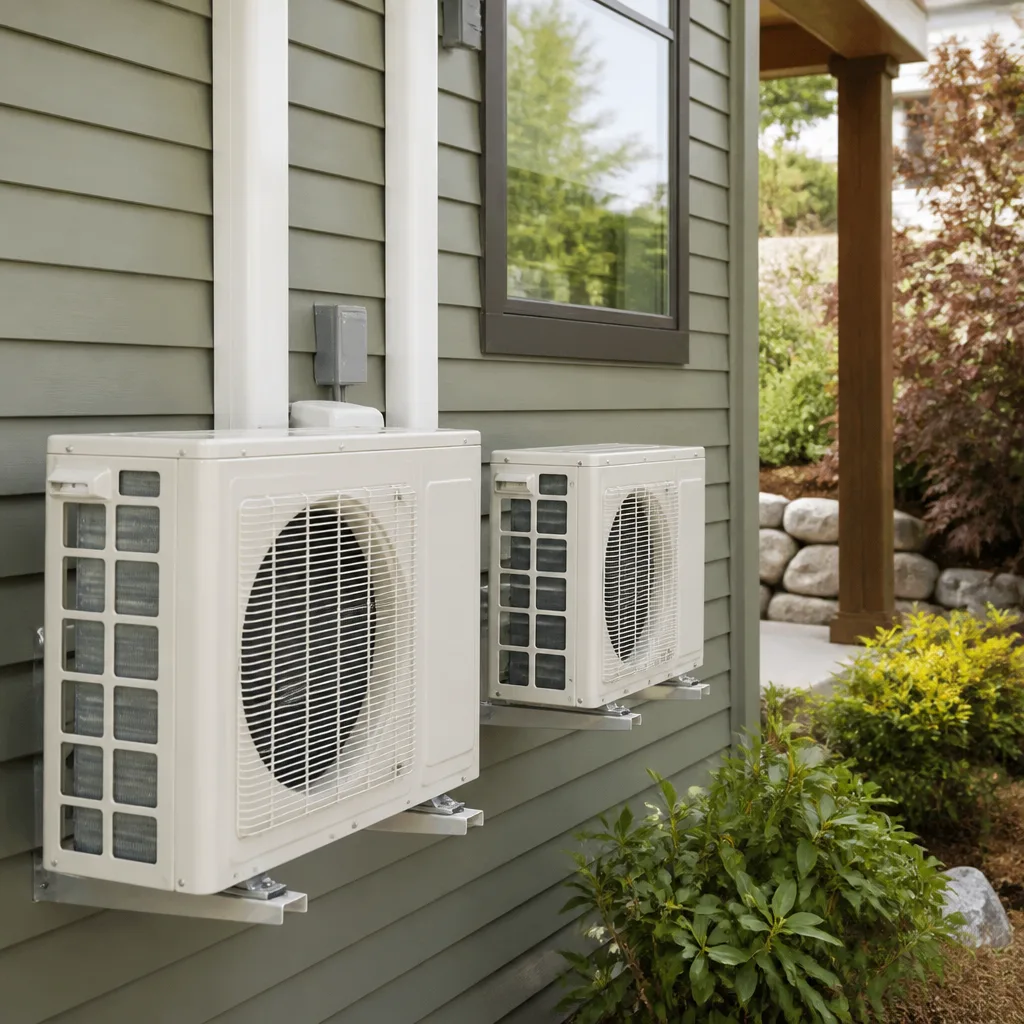 Ductless mini splits
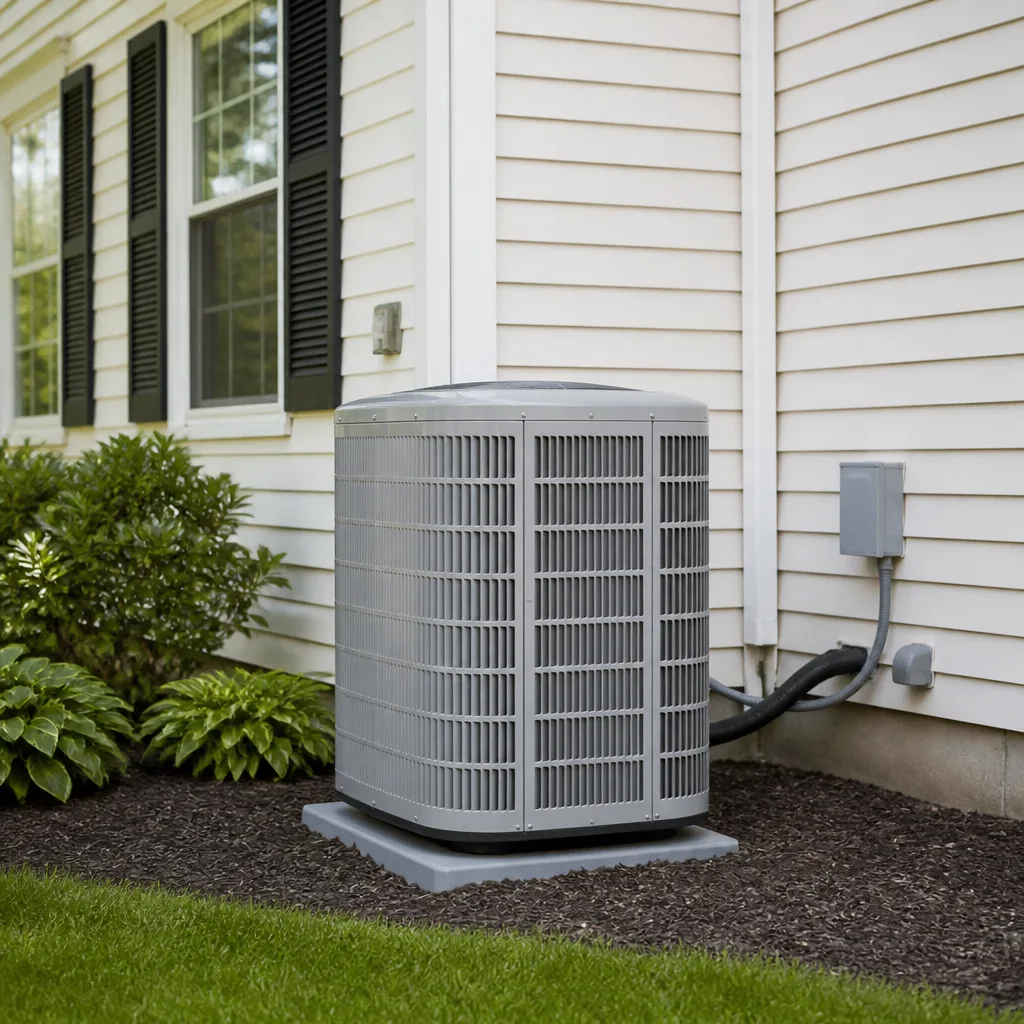 Carrier
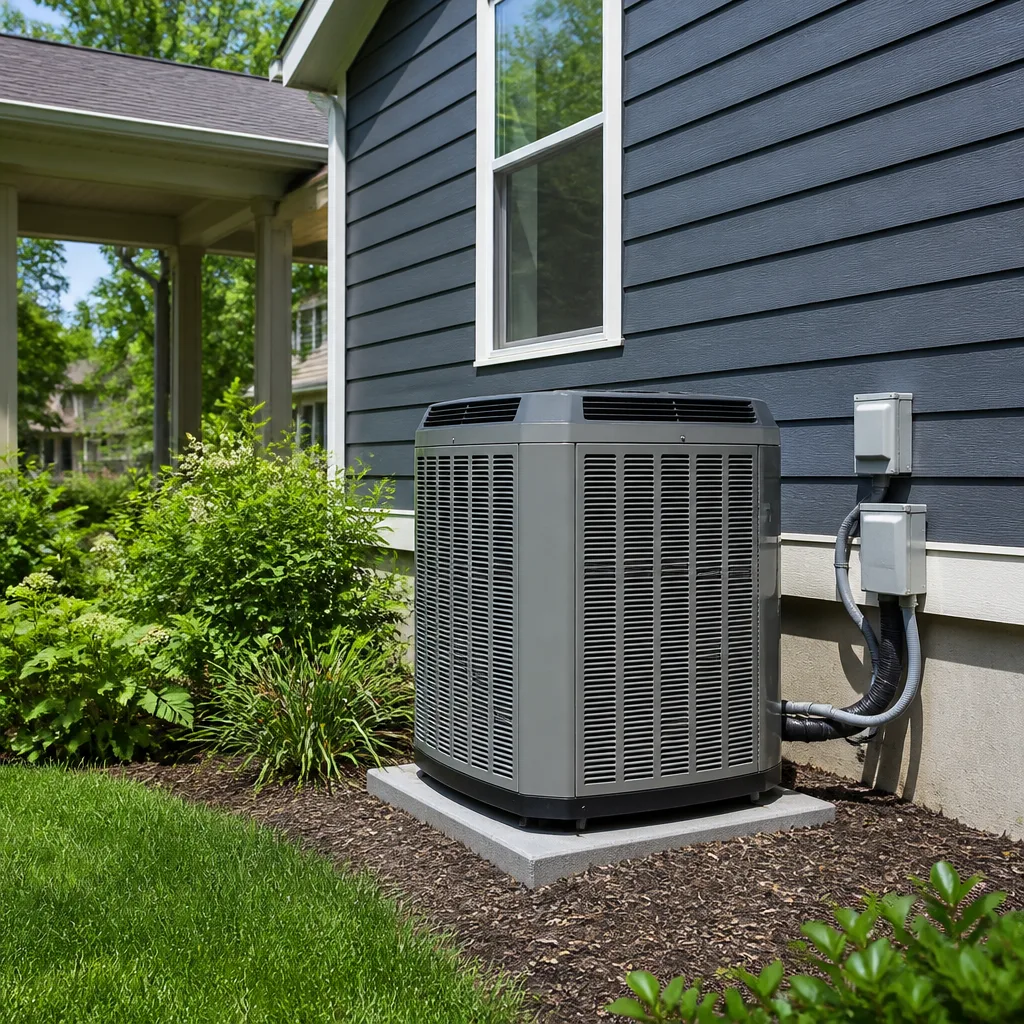 Trane
Trane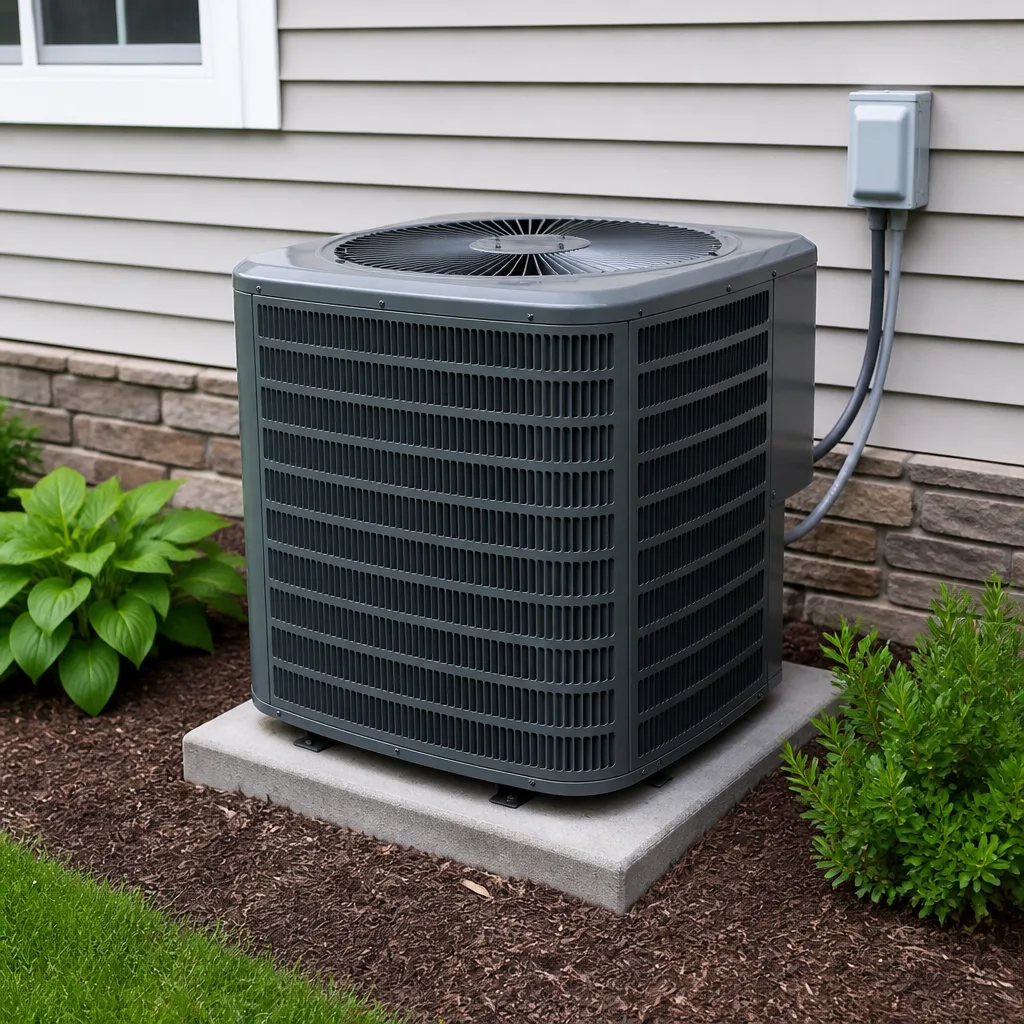 Goodman
Seasonal tune-up and full diagnostic on your Carrier, Trane, or Goodman system - readings shown to you before any repair is proposed
Diagnosis first, numbers second - you approve the repair price before a single part goes in.
Get your free estimateHVAC Warning Signs: A Las Vegas Homeowner’s Reference Guide
Here’s a number that changes how you should read every warning sign in this guide: a properly sized air conditioner in Las Vegas runs somewhere between 2,800 and 3,400 hours per year. The same unit installed in Portland, Oregon might log 900. When a machine works that hard, it doesn’t fail the way the national warning-sign articles describe. It doesn’t just stop cooling one afternoon. It leaks pressure slowly for months while your power bill climbs. It starts and stops more often as a capacitor degrades. It makes a sound in October that it didn’t make in June. This guide-along with our Complete Guide to HVAC in Las Vegas-explains what those early signals mean in a Las Vegas context, which ones you can diagnose yourself with a $15 thermometer, and which ones mean you should pick up the phone today rather than next week.
Quick Answer
The most common Las Vegas HVAC warning signs are warm air from the vents, a system that runs constantly without reaching the set temperature, unusual noises during startup or shutdown, ice forming on the outdoor unit or refrigerant lines, and a utility bill that spikes well beyond the normal summer baseline. In Las Vegas specifically, many of these symptoms appear in a different order than national guides predict: high utility bills often arrive weeks before any comfort complaint because systems here run so many hours that inefficiency shows up on the meter first. If your system is short-cycling, hissing, or blowing warm air in the middle of a Las Vegas summer, call a licensed technician immediately.
Styles & brands we work with
Table of Contents
- The Las Vegas Load: Why Your System Wears Differently Than the National Average
- The Utility Bill as a Diagnostic Tool: kWh Thresholds That Signal Trouble
- The 20-Degree Rule: Measuring Your Temperature Split With a $15 Thermometer
- Refrigerant or Airflow? Telling the Two Main Failure Types Apart at Home
- The Five Sounds: Three That Mean Call Today, Two That Can Wait
- Ice, Water, and What They Tell You About a Las Vegas System Under Load
- October Symptoms vs. July Symptoms: Why Timing Changes the Diagnosis
- Repair or Replace? The Las Vegas-Specific Math
The Las Vegas Load: Why Your System Wears Differently Than the National Average
A Las Vegas air conditioner is not a part-time appliance. It is a continuous-duty machine that works harder in one summer than most American AC systems work in three years. That single fact changes what warning signs look like here. National guides written for places like Cleveland or Seattle describe an AC system that cycles on and off in moderate weather, gets a seasonal checkup in spring, and shows symptoms gradually. That advice doesn’t always map to the Mojave. When outdoor temperatures sit above 105°F for weeks at a time and the compressor runs 16 to 18 hours per day, failures happen faster, symptoms stack on top of each other, and the order in which problems appear gets scrambled.
We’ve repaired enough systems in Summerlin, Henderson, and the northwest valley to recognize the pattern. In most of the country, a homeowner notices comfort first: the house feels warm, so they check the vents, then call a technician. In Las Vegas, the symptom that shows up first is often financial. The power bill arrives with a number that is $80 or $120 higher than the same month last year. The house still feels fine because the system is still producing cold air, but it is working harder to do it. A compressor with low refrigerant runs longer to hit the same set point. A dirty condenser coil rejects heat less efficiently, so the system draws more current. A failing capacitor makes the compressor start sluggishly, and every hard start costs extra wattage.
That is why this guide starts with the utility bill. Before the air goes warm, before the noise starts, before ice shows up on the line set, the meter typically tells you something is wrong, and the sooner a homeowner reads that signal in Las Vegas, the cheaper the repair usually is. A system that has leaked 15% of its refrigerant will cost less to fix than one that has leaked 40% and burned a compressor along the way.
The Utility Bill as a Diagnostic Tool: kWh Thresholds That Signal Trouble
Most Las Vegas homeowners think of the utility bill as a fixed cost of desert living. It isn’t. It’s actually a continuous diagnostic report on the health of your HVAC system, and reading it correctly can catch problems months before they become expensive failures. The idea is simple: your system’s energy draw should be roughly predictable for a given month, given your home’s size, insulation level, and setpoint habits. When the draw jumps without a matching change in weather or usage, something mechanical is usually behind it.
Here are the rough baselines we use when evaluating a Las Vegas home’s cooling costs, expressed in kilowatt-hours per day during peak summer months:
- 1,200 to 1,800 square foot home: 45 to 70 kWh per day in July and August, assuming a setpoint around 76°F to 78°F and average insulation. A jump above 85 kWh per day typically signals an airflow restriction, low refrigerant, or failing compressor.
- 1,800 to 2,500 square foot home: 70 to 110 kWh per day in peak summer. Above 130 kWh per day in a home with reasonable insulation suggests the system is running too long against a load it should be handling.
- 2,500 to 3,500 square foot home: 100 to 160 kWh per day in peak summer. Above 185 kWh per day on a single system usually means the compressor is drawing excessive current or the ductwork is leaking badly.
These ranges assume standard 8-foot ceilings, average window coverage, and a system that was reasonably sized at installation. Homes with vaulted ceilings, large west-facing glass, or original single-pane windows will run higher even when the system is healthy. The point is comparative: track your July bill against last July, not against your neighbor’s house. If the weather was similar and the setpoint didn’t change, a 25% jump in kWh is a warning sign worth investigating even if the house still feels comfortable.
Winter baselines run differently. A gas furnace in a typical Las Vegas winter draws comparatively little electricity, somewhere between 8 and 20 kWh per day for the blower motor and controls. A jump in winter electric use usually points to a heat pump if you have one, or a blower motor that is failing and drawing high current, or a thermostat that is misconfigured and running the fan continuously.
- Pull three months of bills from the same season in a prior year, ideally before any known problems started.
- Compare average daily kWh for months with similar cooling degree days. NV Energy prints the daily average on most paper and digital bills.
- Look for a jump of 20% or more without a matching weather event. That is the threshold at which we recommend a diagnostic visit.
- Check the fan setting on your thermostat. If the fan has been switched from AUTO to ON, the blower runs 24 hours a day, and that alone can add 15 to 25 kWh per day. Fix that first before spending money on a service call.
This is not academic. In our experience, roughly half the Las Vegas homes we visit for a “no cooling” call in August had a detectable bill spike in June or early July that no one noticed or acted on. The system was telegraphing trouble for weeks.
The 20-Degree Rule: Measuring Your Temperature Split With a $15 Thermometer
Air conditioners do not blow “cold” air in the way that most people imagine. They remove heat from the air that passes over the evaporator coil, and the result is air that feels cold because it is significantly cooler than the air going in. The difference between the air entering the system and the air leaving it is called the temperature split, and under normal conditions it should fall between 18°F and 24°F. When the split is much smaller, something is wrong. When the split is much larger, something different is wrong. Las Vegas-specific conditions move these numbers slightly, and the test itself is simple enough to do with an inexpensive probe thermometer.
Here’s the national baseline: with the system running for at least 15 minutes, measure the air temperature at the return grille (where air enters) and at the supply vent closest to the indoor unit. The supply air should be 18 to 24 degrees cooler than the return air. A healthy split tells you the refrigeration cycle is working properly and the compressor is moving heat the way it should. In Las Vegas during a 110°F afternoon, the split often lands at the lower end of that range, 18 to 20 degrees, simply because the outdoor unit is rejecting heat into air that is already extraordinarily hot. That is normal for the load, not a defect.
What the numbers mean when they fail:
- Split below 15°F: The system is running but moving less heat than it should. The most common causes are low refrigerant charge (from a slow leak), a dirty evaporator coil, or a compressor that is surging toward failure. In Las Vegas, where systems run for weeks without cycling off, low refrigerant is the leading cause we find.
- Split above 24°F: This usually means not enough air is moving across the coil. A plugged filter, a collapsed return duct, or a blower motor running at reduced speed will let the coil get too cold, dropping supply air temperatures lower than normal while the compressor works against reduced airflow. High split numbers often precede ice on the coil.
- Split that starts normal and falls over 30 to 60 minutes: Look at the outdoor unit. This pattern, especially with frost forming on the copper line, points to a restriction in the refrigerant circuit or a failing metering device. The system gradually loses its ability to transfer heat.
To run the test, get a digital probe or instant-read thermometer, the kind that sells for $10 to $20 at any hardware store. Run the system at its normal cooling setpoint for at least 15 minutes so everything reaches steady state. Slide the probe into the return grille and let it sit for 30 seconds. Then move it to the supply vent nearest the indoor unit and do the same. Write both numbers down. A single test on a summer afternoon gives you a snapshot; the same test repeated monthly gives you a trend line, and a trend line tells you something is degrading before it fails outright. See our AC Repair Maintenance Checklist for Las Vegas Homeowners for a full schedule.
Refrigerant or Airflow? Telling the Two Main Failure Types Apart at Home
When a Las Vegas AC system underperforms, the root cause is almost always one of two broad categories: a refrigerant problem or an airflow problem. They produce different symptoms, they cost different amounts to repair, and what you do about them in the first 48 hours makes a measurable difference to the final bill. A homeowner who can tell the two apart knows whether to call the AC repair in Las Vegas technician immediately or try a $12 filter replacement first.
Refrigerant-related failures are the signature problem of Las Vegas cooling. The extreme daytime heat raises system pressures higher than they run anywhere else, and years of thermal expansion and contraction eventually cause micro-fractures at braze joints, especially on the evaporator coil. A system that is low on refrigerant, whatever the cause, shows a particular pattern. The supply air is cool but not cold. The system runs longer than it should, often continuously from mid-morning to late evening. The outdoor unit may be running but feels only slightly warm when you hold your hand over the fan. And the temperature split, if you measure it, sits below 15°F. If frost forms on the copper line set, especially the larger insulated line running to the outdoor unit, that is a refrigerant problem in near-certain terms, and it is not something to run while you wait.
Airflow-related failures are different. They are usually cheaper to fix and sometimes cost nothing at all. A dirty filter, a furniture arrangement that blocks a return grille, a closed supply vent, or a collapsed section of flexible duct will starve the system of air even though the refrigerant circuit is perfectly healthy. The symptoms are the inverse of a refrigerant problem. The supply air is very cold to the touch, sometimes colder than normal. The temperature split is high, north of 24°F. The indoor coil may freeze because there isn’t enough warm air moving across it to balance the refrigeration cycle. And the system may short-cycle, shutting down on thermal overload because the compressor can’t reject heat properly.
- Check every return grille in the house. They should be fully exposed. A couch pushed against the return, a bookshelf blocking it, or a heavy curtain hanging over it reduces airflow into the system and is the single most common self-inflicted airflow problem in Las Vegas homes.
- Check the filter. In the Las Vegas Valley, where summer air carries dust and pollen and systems run more than 2,800 hours a year, filters need replacing more often than national schedules suggest. A 1-inch filter should be checked monthly during cooling season and replaced when it is visibly gray or clogged.
- Walk the ductwork in the attic if accessible. Look for segments that are kinked, disconnected, or sweating heavily. Duct leaks are epidemic in Las Vegas homes built before 2005, and a disconnected duct will blow cold air into the attic while the house warms up.
- Measure the split. A split above 24°F with very cold supply air says airflow, not refrigerant. Try the filter first; if the numbers don’t improve within an hour, call a technician.
Why it matters: a refrigerant system that keeps running while low on charge will eventually destroy its compressor, and replacing a compressor in Las Vegas typically costs more than the system is worth. An airflow problem that goes unfixed can cause the opposite failure, a frozen coil that thaws into a water leak, but the fix is usually a filter or a duct repair. The two failure types can also coexist, especially in older systems. A compressor that has been running against a blocked filter for three summers may have sustained heat damage, and once the refrigerant level is checked, the full picture emerges.
The Five Sounds: Three That Mean Call Today, Two That Can Wait
HVAC systems make noise. A soft hum from the outdoor unit, the whoosh of air at supply registers, the faint click of contactors when the system cycles on and off. All of that is normal. The useful skill is separating the sounds a system has always made from the sounds that mean a mechanical failure is developing. In Las Vegas, where the system runs so many hours, sound problems tend to announce themselves early, and the right response varies by the sound.
The three sounds that mean call a technician today:
- A hard buzzing or snapping from the outdoor unit at startup, followed by nothing happening. That is the compressor trying to start and failing, typically a bad capacitor or a seized compressor. Every attempted start that doesn’t succeed sends a surge of heat through the compressor windings. In Las Vegas’s high ambient temperatures, repeated failed starts can turn a $300 capacitor replacement into a compressor replacement in a single afternoon. A system that buzzes, clicks, and then goes silent should be shut off at the breaker until a technician arrives.
- A hissing or gurgling sound from the indoor coil or refrigerant lines while the system runs. That is refrigerant moving where it shouldn’t be, either leaking through a crack or bubbling past a failing metering device. Hissing is one of the few audible warning signs we treat as urgent on its own, because every hour the system runs after a leak develops, the charge drops lower and the compressor runs hotter.
- A metallic screech or shriek from the indoor blower motor. That is a bearing failure in the blower motor or the motor itself dragging. It can be intermittent at first, appearing only on startup, then constant. A blower that seizes entirely will overheat the furnace or air handler, and in some configurations the heat buildup becomes a fire risk. Do not ignore it.
The two sounds that can wait until a scheduled visit:
- A rhythmic tick or click from the outdoor unit while running. In most cases this is debris in the condenser fan, a slightly loose fan blade, or normal thermal expansion of metal parts. If the sound is unchanging and the system is cooling properly, it is generally safe to log it and bring it up at your next tune-up.
- A low rumble from the furnace cabinet during heating season. This is often vibration from a blower wheel that has accumulated dust, or a furnace that is slightly out of balance on its mounting pad. It doesn’t indicate imminent failure, but it should be checked before the next heating season to prevent it from becoming a bearing problem.
One more note on the Las Vegas angle: a system that has been silent for five years and suddenly starts making any of the “call today” sounds is not having a one-off event. It is announcing a component that has reached the end of its service life. Systems in this climate run hard enough that small noises don’t resolve themselves. They progress. The technician who arrives the day a buzz starts is usually replacing a $15 capacitor. The one who arrives a week later is sometimes pricing a new compressor.
Ice, Water, and What They Tell You About a Las Vegas System Under Load
Here is one of the most counterintuitive facts in HVAC service, and it matters more in Las Vegas than almost anywhere else: ice on an air conditioner is not a sign the system is working too well. It is a sign the system is starving. Ice forms on the evaporator coil or the refrigerant line set when the coil temperature drops below freezing, and in the desert that happens for specific, predictable reasons. One is low refrigerant. One is low airflow. Either way, the ice itself makes things worse, insulating the coil and reducing heat transfer further until the system effectively stops cooling.
The visual test is simple. Look at the larger of the two copper lines running to the outdoor unit, the one wrapped in black foam insulation. If frost or actual ice is forming on it while the system runs, something is wrong. Ice on the indoor coil is visible only if you can access the air handler or furnace cabinet, but the same principle applies. If the supply air feels warmer than it did yesterday and the system has been running all day in 110°F heat, and you can see frost anywhere, the refrigeration cycle is out of balance.
The Las Vegas-specific pattern we see repeatedly: ice appears on the line set or indoor coil during the afternoon heat, then thaws at night when the outdoor temperature drops and the system cycles less. The homeowner notices warm air in the late afternoon, checks the system at night and finds it working, and dismisses the whole thing. The next afternoon the ice returns, and the cycle repeats until the compressor fails or the evaporator coil freezes solid. If you see ice, shut the system off at the thermostat and leave the fan running in the ON position to defrost the coil while you wait for service. Running a system that is icing over is how a recoverable problem becomes a furnace repair or compressor replacement, and in Las Vegas the wait for a replacement compressor in July can stretch days.
Water, by contrast, is often normal. A central AC system removes several gallons of moisture from indoor air every day during monsoon season, and that water drains through a condensate line to the outside or into a floor drain. A steady drip from the drain line near the outdoor unit or from a pvc drain stub on the side of the house is exactly what it should look like. Water where it shouldn’t be, such as pooling around the indoor unit, staining the ceiling below an attic installation, or dripping from the air handler cabinet, means a blocked condensate drain or a cracked drain pan. In Las Vegas homes with attic-installed air handlers, a blocked drain can soak insulation and drywall, and a cracked pan can send water through the ceiling the next time the system runs. That is a call-you-today situation, not because the repair is difficult, but because the water damage to the house compounds by the hour.
October Symptoms vs. July Symptoms: Why Timing Changes the Diagnosis
Here is a scenario worth slowing down for, because it is where Las Vegas homeowners get badly misled by national advice. It’s October. The daytime highs in Las Vegas have dropped into the low 80s. Your AC, which ran almost constantly all summer, now seems to be running constantly in weather where it shouldn’t need to. The house feels fine. The vents are blowing cool air. But the system starts when the thermostat calls and doesn’t stop for hours. A national guide would call this normal “seasonal transition” behavior. In Las Vegas, it is often the first clear sign that the system lost refrigerant over the summer and is now incapable of reaching setpoint without running twice as long as it should.
In July, the same symptom, constant running with a house at 78°F when the setpoint is 76°F, would be noticed immediately and the system would be running at maximum load regardless. But in October, the load is lower, the outdoor temperature is moderate, and the system’s inefficiency shows up as simple run time. The cycle is the same one the electric bill can reveal: a system with low refrigerant or a failing compressor draws more power and runs longer to move the same amount of heat. The difference in October is that the baseline energy draw is lower, so a 40% inefficiency is less visible on the bill and more visible in the unit’s behavior.
The rule we give Las Vegas homeowners is this: if your system ran normally all summer and then starts running constantly in the shoulder seasons, October and November, when the outdoor temperature is below 90°F, treat that as a refrigerant warning until proven otherwise. The same logic applies to the first cool snap of the fall. A furnace that fires up and shuts down after 90 seconds, then does it again and again, is likely short-cycling on a dirty flame sensor or a failing limit switch, but in a Las Vegas home the furnace has been sitting idle for seven months and the problem only shows itself when you need it. That is the moment to test the heating cycle deliberately, not react to it in the first week of January.
The broader point of seasonal timing: in most of the country, HVAC failures are spread across the calendar. In Las Vegas, they are compressed into two windows, the first sustained heat of May and June when systems get pushed hard for the first time since October, and the first real cold of December and January when furnaces fire for the first time since spring. Build the habit of testing each system before the season it serves, not after it has already failed on the day you needed it most. Our Seasonal HVAC Care for Las Vegas: Year-Round Homeowner’s Guide lays out the ideal timing.
Repair or Replace? The Las Vegas-Specific Math
The national rule of thumb says to replace a system when the repair cost multiplied by the system’s age in years exceeds the replacement cost, which for most homes means replacing at about 15 to 20 years. In Las Vegas, those numbers shift. A compressor in a system that has run 2,800 hours a year for 12 years has logged the equivalent of more than 30,000 hours, roughly what a national-average system sees over 20 years. The systems fail younger here, and the replacement math arrives earlier. More importantly, the consequences of getting it wrong are harsher: a failed system in August in Las Vegas isn’t a comfort problem, it’s a health risk, particularly for older adults, infants, and people with respiratory conditions.
The decision framework we use with every customer:
- Age of the system. Anything over 12 years in Las Vegas that needs a compressor, a reversing valve, or an evaporator coil replacement is a candidate for full replacement. The remaining useful life typically doesn’t justify a repair that costs more than half the replacement price.
- Refrigerant type. Systems built before 2010 run on R-22, which is no longer manufactured. Recharging an R-22 system now often costs more than the system is worth, and every pound that goes in is a pound that came from reclaimed stock. If the compressor fails on an R-22 system, replacement is almost always the right call.
- Repair history. A system that has needed two or more major repairs in the last five years is telling you something about its overall condition. The next failure is probably not far off, and next time it might happen when you are on a waitlist for emergency service in the middle of a heat wave.
- The homeowner’s horizon. If you plan to stay in the home for more than five years, a new high-efficiency system typically pays for itself through lower electric bills in the Las Vegas climate. The same replacement makes less financial sense for a home that will be sold within two years, unless the current system is already failing.
When the math says replace, the process matters as much as the equipment. AC installation in Las Vegas is regulated by local permitting requirements and should always include a load calculation, not a simple swap of the old unit for a same-size new one. A system that was marginally sized when the house was built may be inadequate now, especially if the home has added square footage, a pool, or more occupants. And in this market, a replacement done in the shoulder seasons, March or October, costs less and schedules faster than the same job in June.
Common Mistakes to Avoid
- Ignoring a summer electric bill spike because the house still feels cool. By the time comfort fails in Las Vegas, the compressor has usually been struggling for weeks. The bill is the earliest warning you will ever get, and it is free to read.
- Running a system that is icing over. Ice on the line set or indoor coil means the refrigeration cycle is out of balance. Running it anyway turns a recharge or filter change into a compressor replacement in a market where summer replacement waits can stretch for days.
- Swapping the filter once a year. National “change every three months” guidance was not written for 2,800-hour seasons and Mojave dust. Check monthly during summer and replace when visible dirt appears. A plugged filter is the number one cause of preventable airflow failures we see in Las Vegas.
- Closing supply vents in unused rooms to save energy. This raises static pressure in the ductwork, reduces airflow across the coil, and can cause the very ice and compressor strain you are trying to avoid. The system was balanced for the duct layout as built. Leave the vents open.
- Trusting a temperature split test done in the first five minutes. The system needs 15 minutes or more of continuous run time to reach steady state. Measuring too early produces numbers that mislead you about whether the system is okay.
- Hearing a startup buzz and resetting the breaker to try again. Every failed start sends heat through the compressor windings. A buzzing outdoor unit that won’t start is a stop-and-call situation, not a reset-and-hope situation.
See the difference
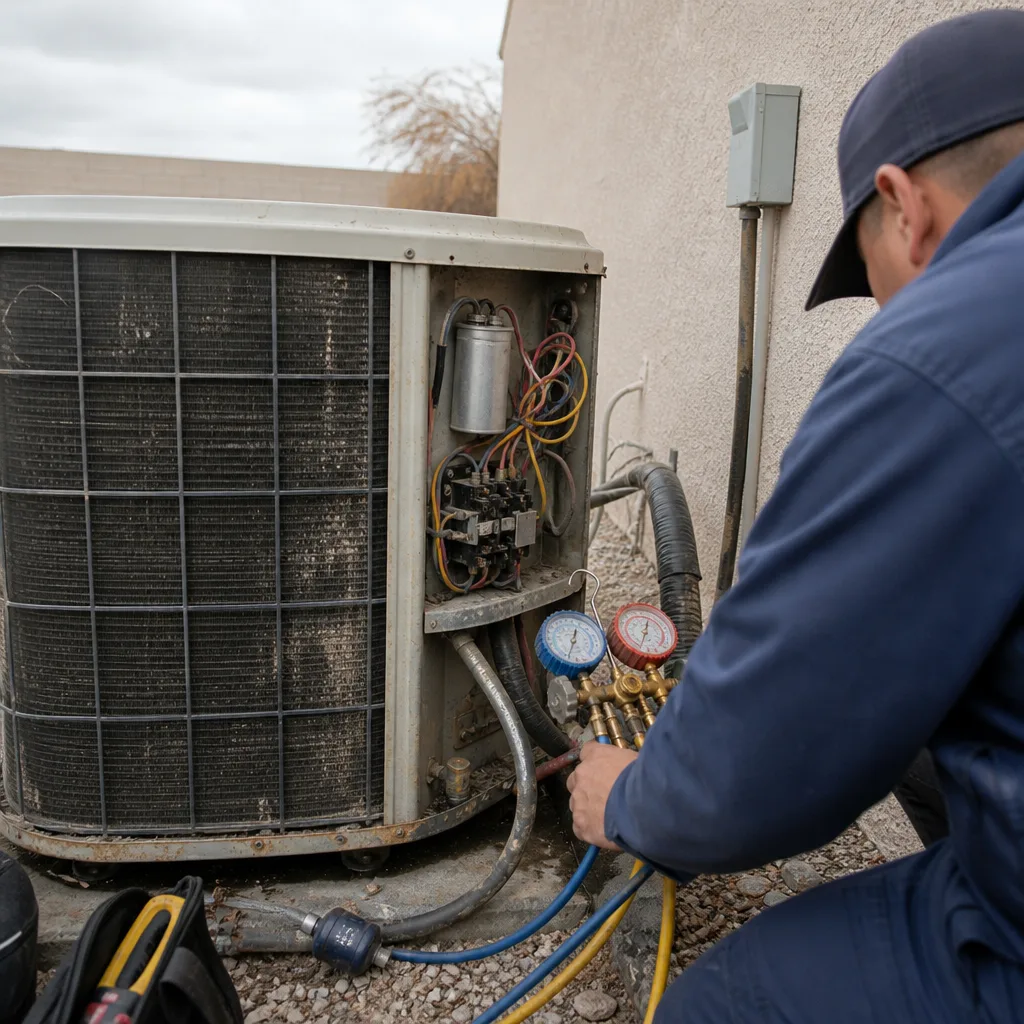 Before
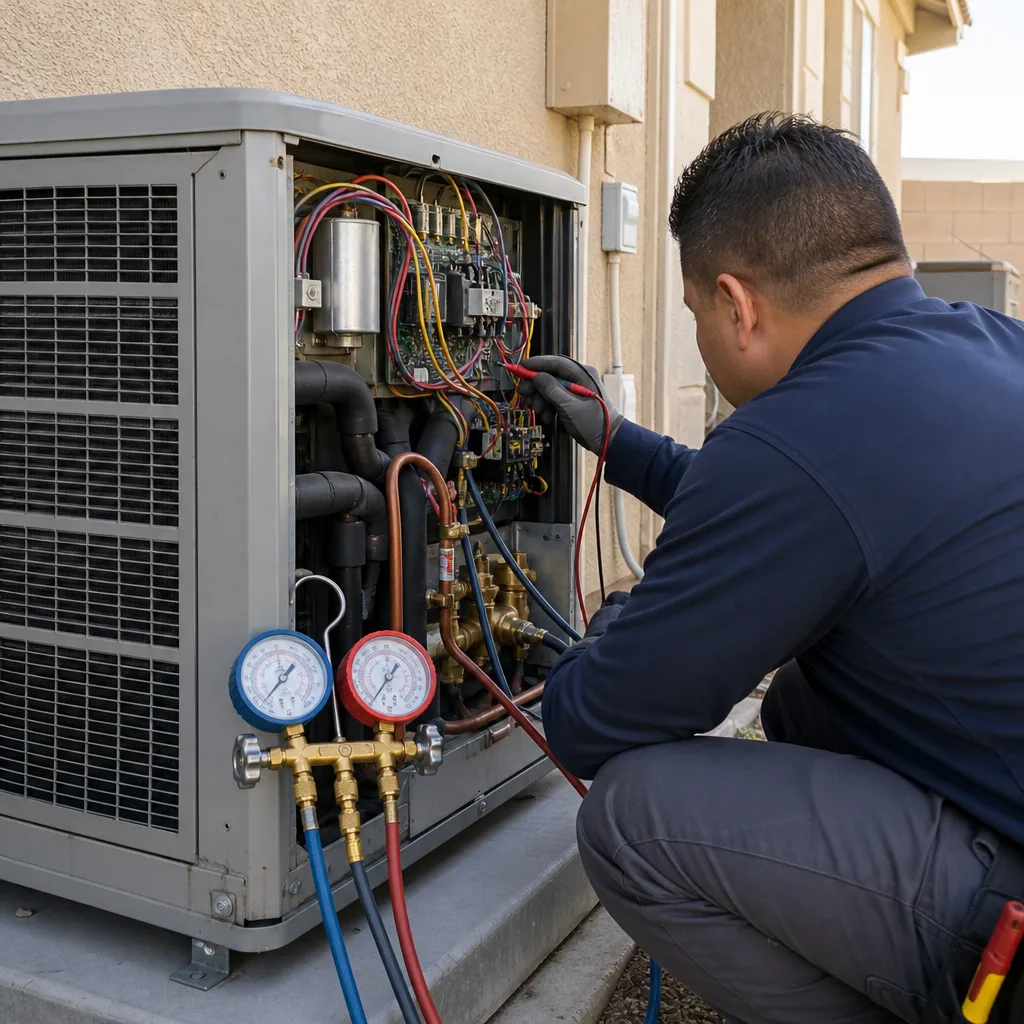 After
After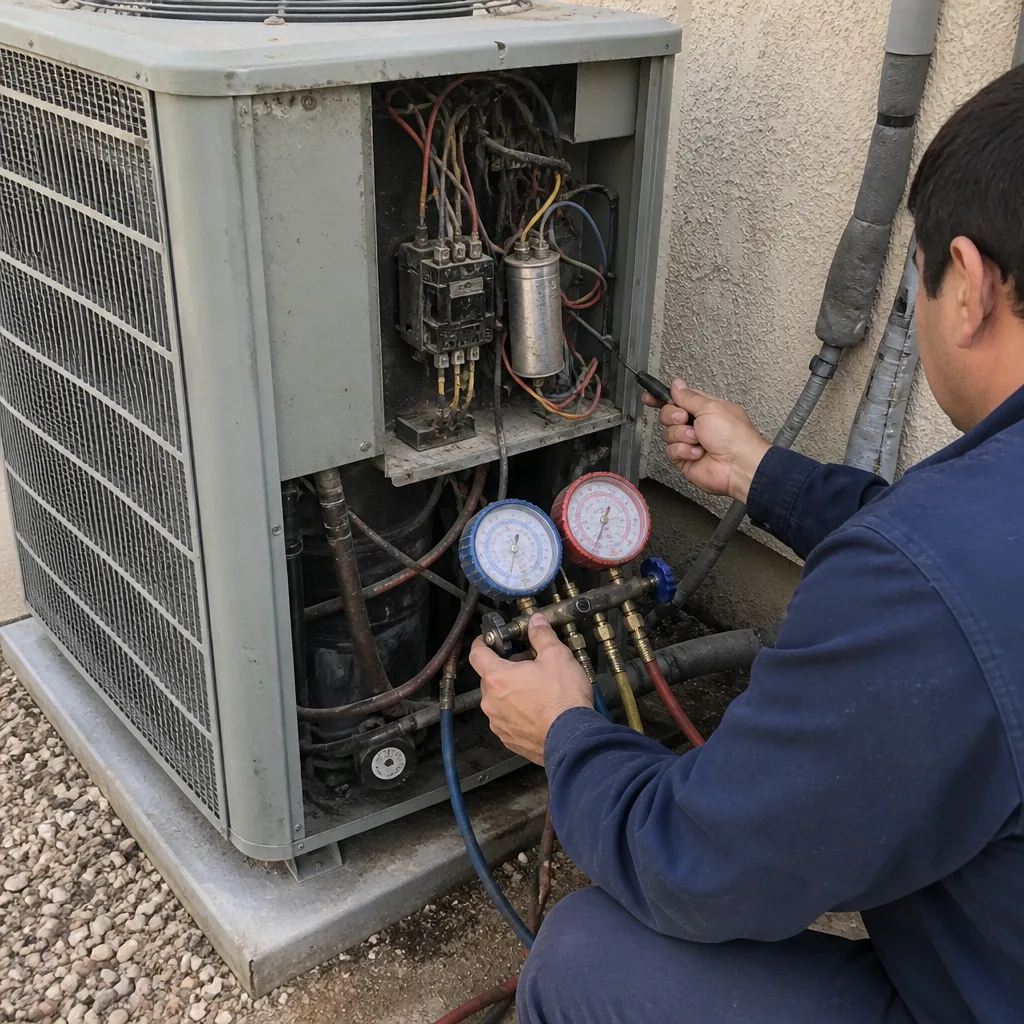 Before
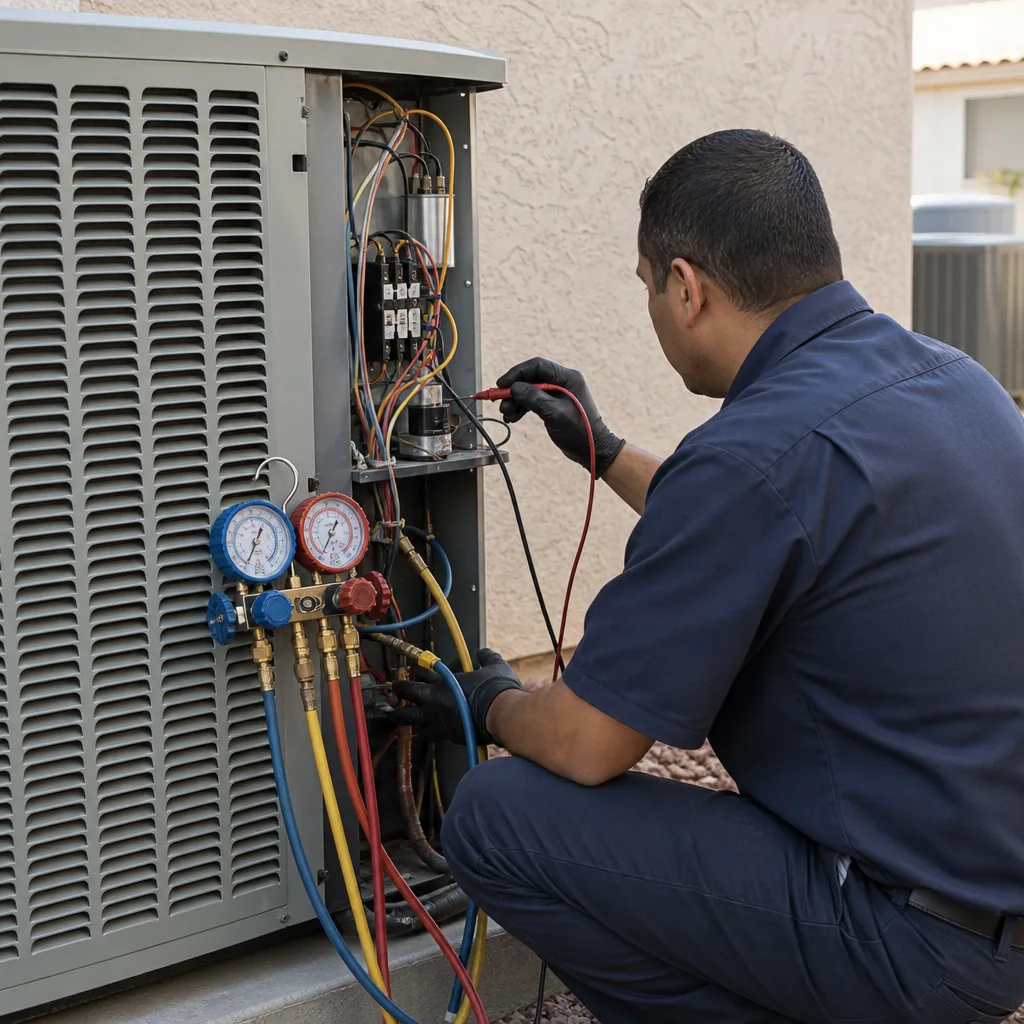 After
After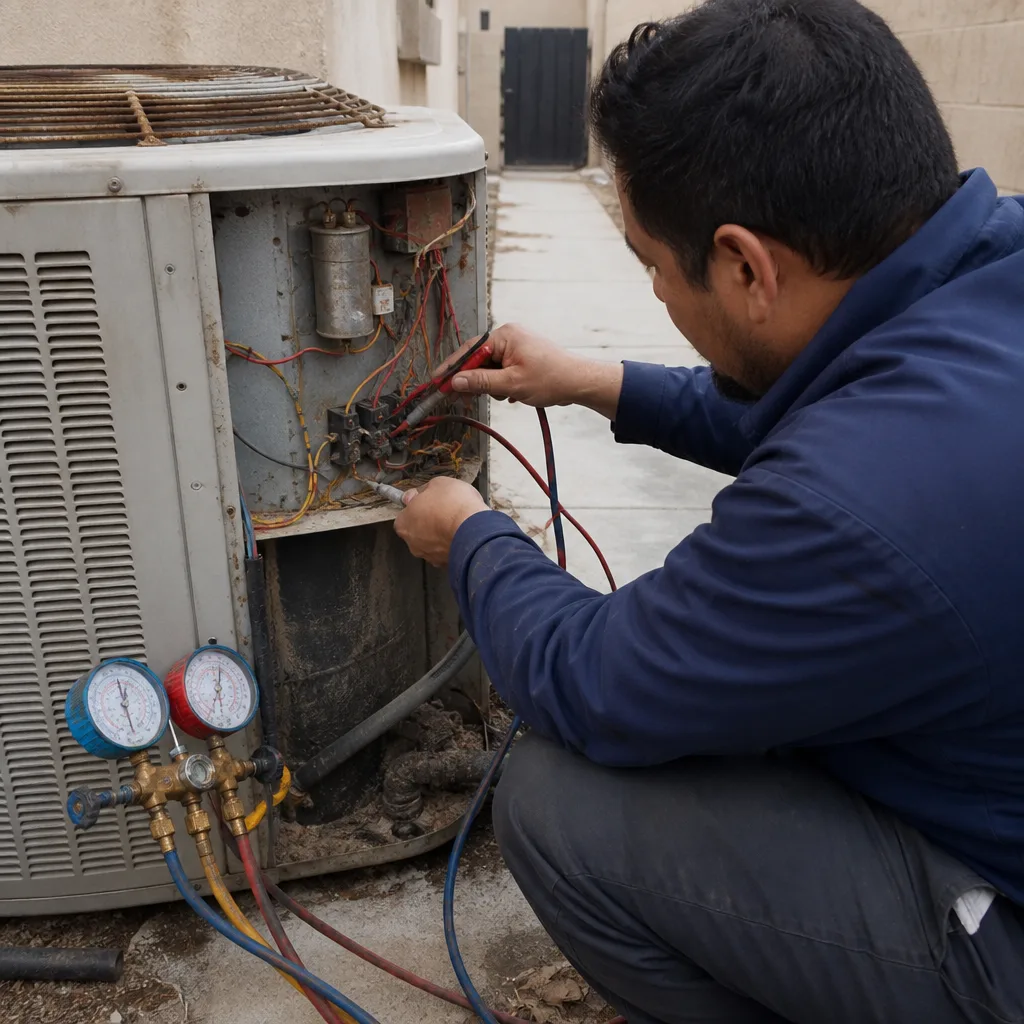 Before
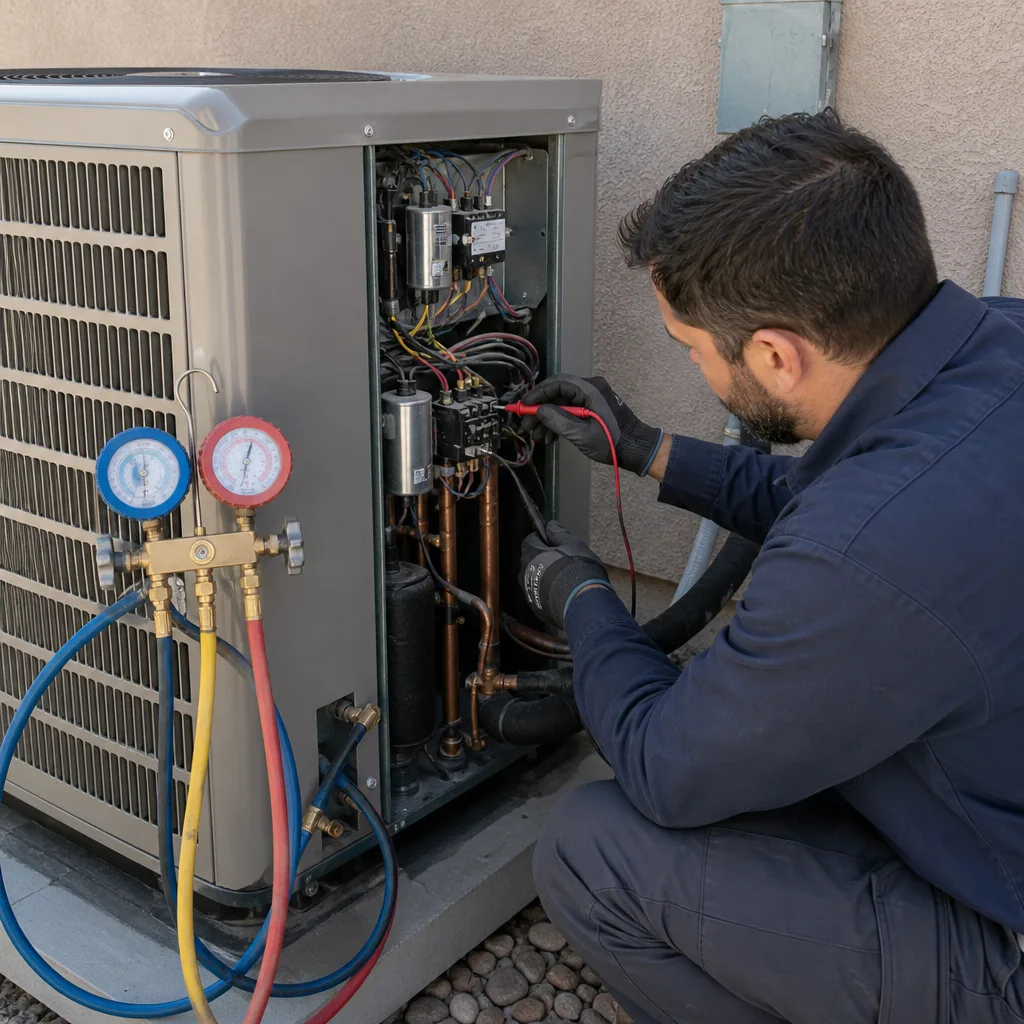 After
AfterWhen to Call a Professional
Call a licensed HVAC technician if the system is blowing warm air in cooling mode, if ice is visible on the refrigerant lines or indoor coil, if the outdoor unit buzzes without starting, if the system hisses or shrieks while running, or if your temperature split measures below 15°F after 15 minutes of operation. None of these conditions resolves itself, and in the Las Vegas climate they tend to progress from minor to major on a compressed timeline. If the system is cooling normally but the bill has spiked, a diagnostic visit costs a small fraction of what a failed compressor will. Cold Harbour Heating and Air Las Vegas offers free estimates in Las Vegas: call (725) 726-3813.
We also recommend scheduling professional maintenance twice a year in this climate, once before cooling season in April or early May and once before heating season in November. A maintenance visit catches the small things, a capacitor that tests weak, a contactor with pitted points, a refrigerant charge down 10% that hasn’t visible symptoms yet. For more guides & resources on keeping your system healthy, visit our blog. In a system that runs 2,800 hours a year, catching those issues in March means not paying for the consequences in August.
Frequently Asked Questions
The first sign is typically an electric bill that runs 20% or more above the previous year’s same-month average without a matching change in weather or usage, followed by longer run times, a temperature split below 15°F, and only later by warm air from the vents. In Las Vegas’s high-load environment, the meter usually detects trouble before the thermostat does. If your July kWh jumped without an obvious explanation, call for a diagnostic before the symptom becomes a failure.
Measure the temperature split: low refrigerant usually produces a split below 15°F with cool but not cold supply air, while a dirty filter produces a split above 24°F with very cold supply air and often ice on the coil. You can also check the filter first, since that’s a $12 fix that takes five minutes. If the filter is clean and the supply air feels only moderately cool, the charge is probably low and that is a service call.
During the highest heat of July and early August, when nighttime lows stay above 85°F, a properly sized system may run 16 to 18 hours a day and that is normal for the load. The problem is constant running in milder weather, especially below 90°F, which almost always indicates low refrigerant, a failing component, or an undersized system. If the system runs constantly in October, call a technician.
Ice forms on the coil or refrigerant line set because the coil temperature has dropped below freezing, which in Las Vegas’s heat means the system is starving for either refrigerant or airflow. Low charge and restricted airflow are both capable of producing ice on a 110°F day. When it happens, shut the system off and leave the fan running to defrost it while you arrange service.
A well-maintained system in the Las Vegas Valley typically lasts 12 to 18 years depending on brand, installation quality, and run time, which is shorter than the 15 to 20 years common in milder climates. The same compressor that might last 20 years in a moderate climate can reach the end of its service life at 12 years here because it has logged far more operating hours. Good maintenance extends the upper end of that range; ignored warning signs shorten it.
The answer depends on the system’s age, refrigerant type, repair history, and your plans for the home. As a rule, a system over 12 years old in Las Vegas that needs a compressor, reversing valve, or evaporator coil is usually a better candidate for replacement, especially if it runs on R-22 refrigerant that is no longer manufactured. Call (725) 726-3813 for a straight answer on your specific system, with the repair-versus-replace math laid out in plain numbers.
The Bottom Line
An HVAC system in Las Vegas works harder than almost any other in the country, and the warning signs it gives you are different from the ones national guides describe. The electric bill speaks first. The temperature split tells the truth. Ice means starvation. And the sounds a system makes are a countdown, not an invitation to wait. None of this requires you to be a technician. It requires a $15 thermometer, a habit of reading the bill, and the discipline to act when the numbers move. For the rest, call a licensed Cold Harbour Heating and Air Las Vegas home service that shows up on time, puts the price in writing before the work, and stands behind the repair in writing for a full year. That is the whole game: catch it early, fix it right, and get your system back to the job it has been doing since May.
Written by Victor Mancini, Owner at Cold Harbour Heating and Air Las Vegas, serving Las Vegas since 2003.