
Last updated October 16, 2026
 AC repair
 Furnace & heating
 Heat pumps
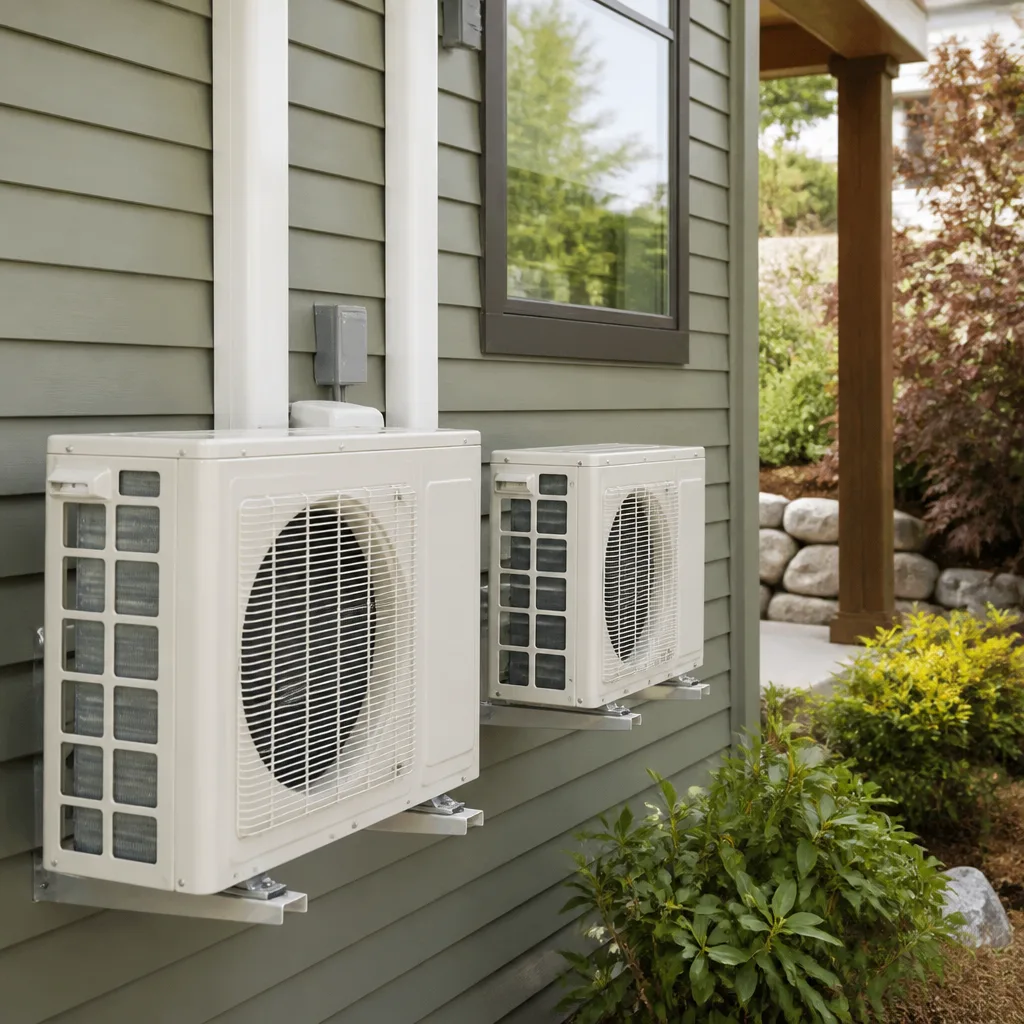 Ductless mini splits
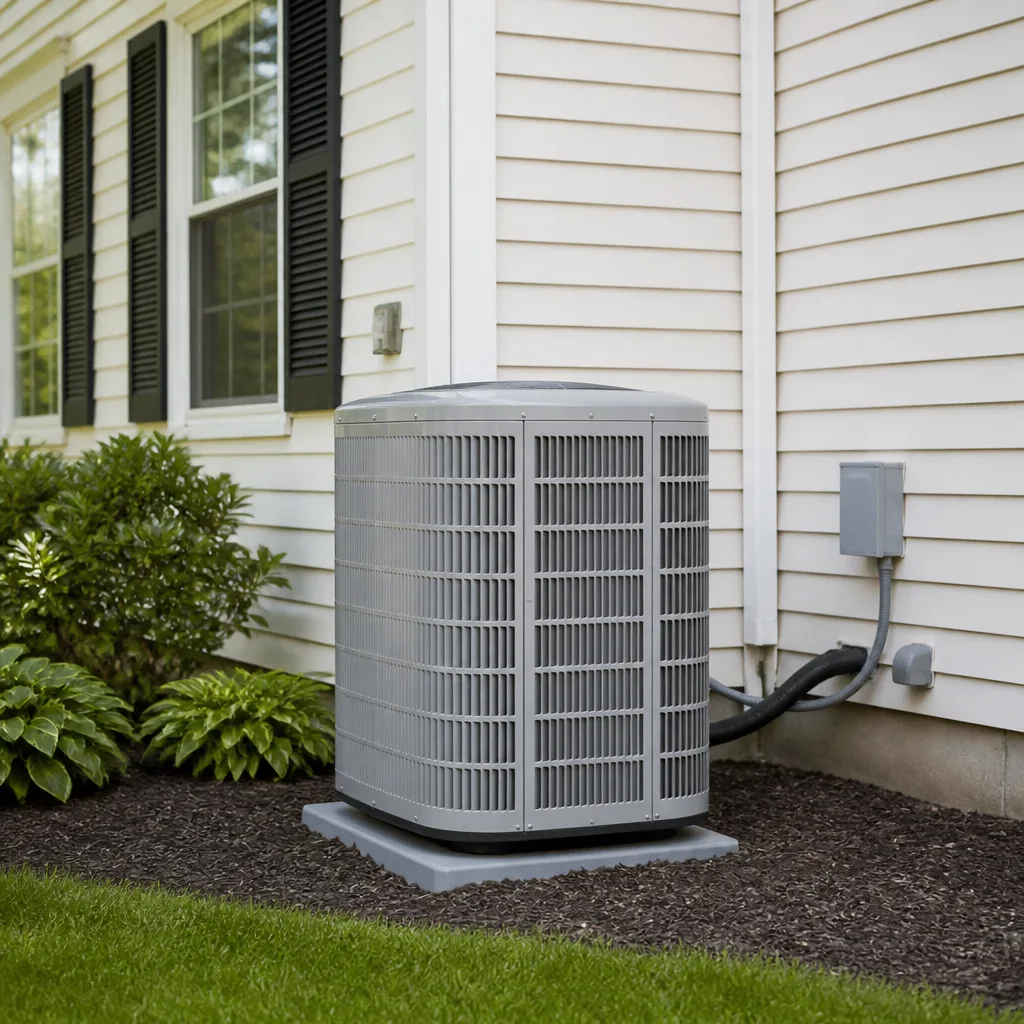 Carrier
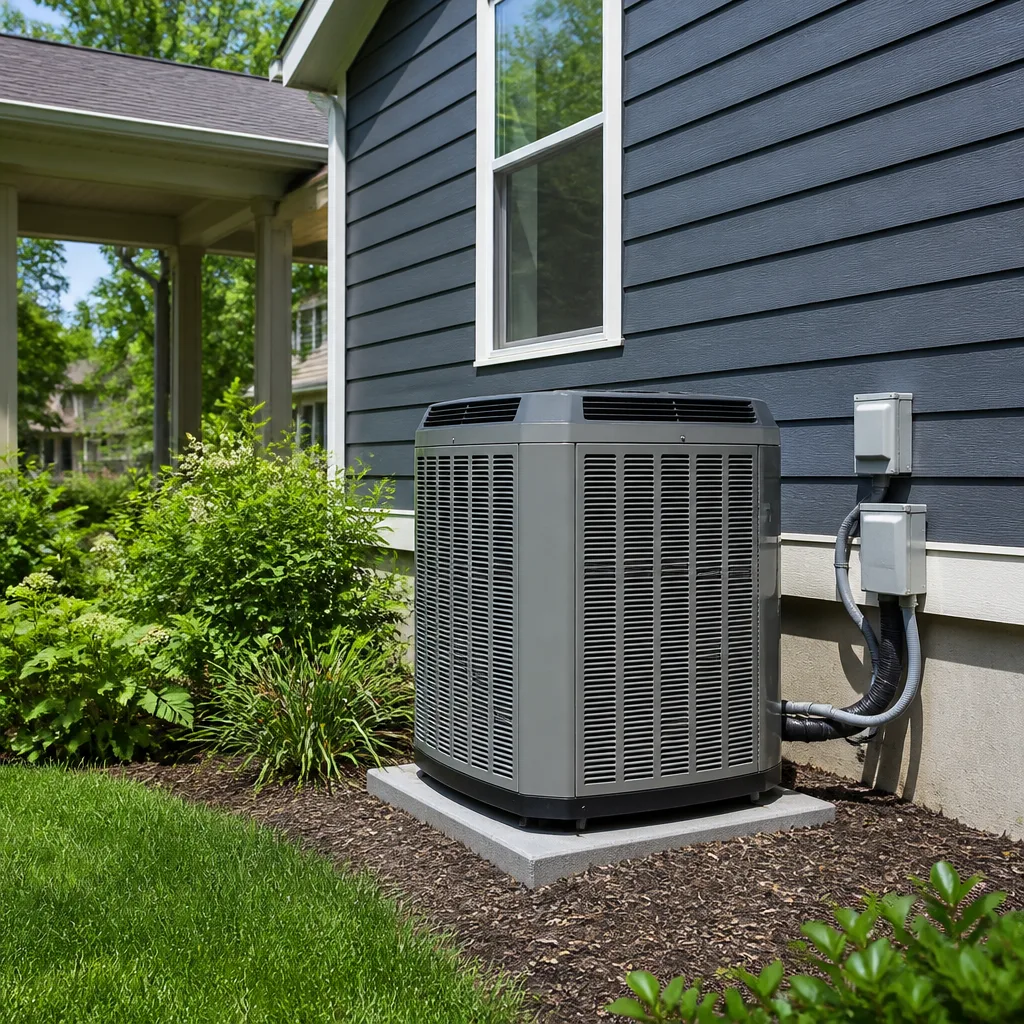 Trane
Trane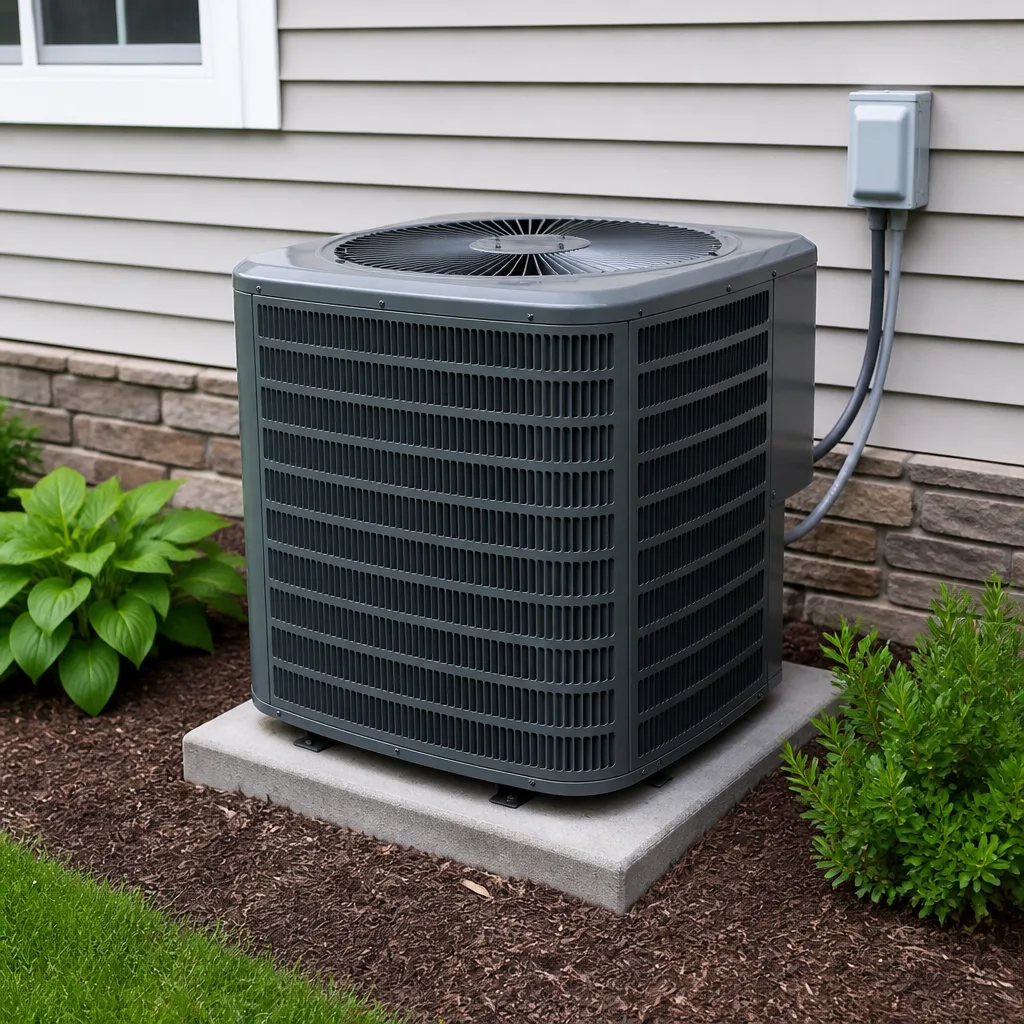 Goodman
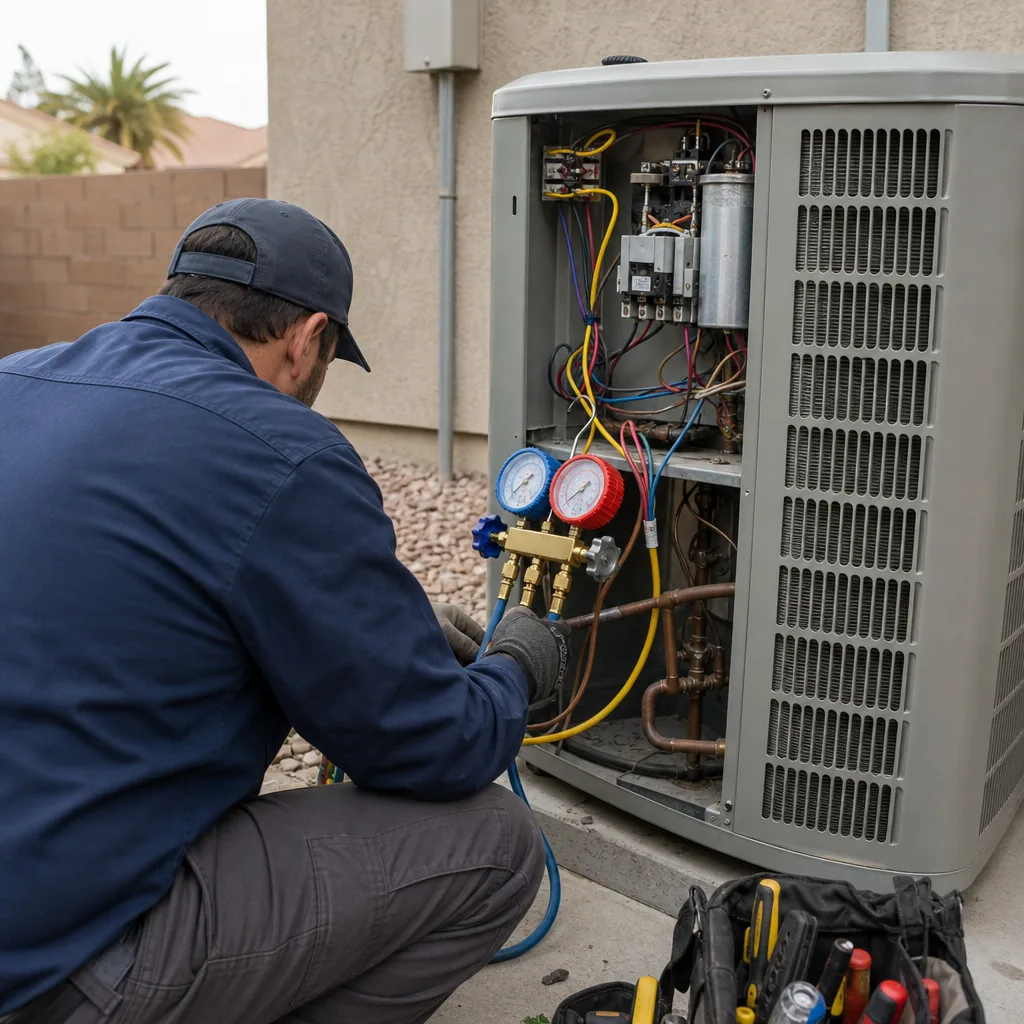
Seasonal tune-up and full diagnostic on your Carrier, Trane, or Goodman system - readings shown to you before any repair is proposed
Diagnosis first, numbers second - you approve the repair price before a single part goes in.
Get your free estimateSeasonal HVAC Care for Las Vegas: Year-Round Homeowner’s Guide
Las Vegas HVAC companies book solid within 48 hours of the first 100°F day. Homeowners who call in June pay emergency rates and wait days for a technician. Homeowners who scheduled in March wait about 20 minutes. This guide is built around Las Vegas’s real climate calendar: two brutal seasons that punish neglected equipment, and two deceptively mild windows that are actually the smartest times to maintain your system. For a deeper dive, see our Complete Guide to HVAC in Las Vegas. You’ll learn what your HVAC needs in each stretch of the Las Vegas year, which tasks you can handle yourself, and which ones require a licensed technician with professional equipment. We’ll also show you how to schedule service so you never pay surge pricing again.
Styles & brands we work with
Quick Answer
Seasonal HVAC maintenance in Las Vegas means scheduling a professional tune-up in March or April before the first heat wave, and again in October or November before winter furnace use. Homeowners who book during these shoulder seasons avoid emergency rates, multi-day waits, and the equipment failures that hit hardest during July and January. The most important annual tasks are a pre-season AC inspection (coil cleaning, refrigerant check, capacitor testing) and a fall furnace safety check (heat exchanger inspection, burner cleaning, carbon monoxide testing). You can follow along with our AC Repair Maintenance Checklist for Las Vegas Homeowners.
Table of Contents
- Why Las Vegas Has Two HVAC Seasons, Not Four
- March – April: The Pre-Season Window That Saves You Money
- May – September: Surviving the Las Vegas Heat Without a Breakdown
- October – November: The Only Safe Time to Inspect a Heat Exchanger
- December – February: Winterizing Your System for Cold Snaps
- The Las Vegas HVAC Scheduling Calendar: When to Book, When to Avoid
- DIY Maintenance vs. Professional Service: What’s Actually Worth Doing Yourself
- What Your Specific Brand Needs: York, Daikin, Bryant, and American Standard
- Common Mistakes to Avoid
- When to Call a Professional
- Frequently Asked Questions
- The Bottom Line
Why Las Vegas Has Two HVAC Seasons, Not Four
Las Vegas doesn’t do spring and fall the way most of the country does. We get a few weeks of pleasant weather in late March, early April, late October, and early November. The rest of the year swings between extremes: 110°F summer days that run AC systems nonstop, and December nights that dip into the 30s and push furnaces into their annual workout. That swing is what makes seasonal HVAC care different here than in, say, Phoenix or San Diego. Your system gets zero rest for roughly eight months of the year, then sits mostly idle for the other four. Idle equipment doesn’t mean healthy equipment. Dust accumulates, capacitors degrade, belts stiffen, and refrigerant leaks that started small get bigger while nobody notices.
In our experience maintaining systems across Las Vegas since 2003, the pattern is consistent: the homes that call us for emergency AC repair in Las Vegas in July are almost always the same homes that skipped their spring checkup. And the homes that call for a furnace repair in Las Vegas on the first cold night of December are the ones that never had their heat exchanger looked at in October. The equipment failures don’t happen during extreme weather because the weather breaks the system. They happen because the system was already failing, and extreme weather just exposed it.
Las Vegas also has a unique dust problem. The Mojave Desert produces fine, alkaline dust that works its way into condenser coils, blower motors, and air filters faster than almost anywhere else in the country. A system that would run fine for two years in a coastal climate can lose efficiency in six months here. That’s the real argument for twice-yearly maintenance in Las Vegas: not because the manufacturer recommends it, but because the local environment demands it.
March – April: The Pre-Season Window That Saves You Money
March and April are the two most valuable months on the Las Vegas HVAC calendar. The weather is mild enough that you won’t miss your AC if it’s down for a few hours during a service visit. And every reputable HVAC company in the valley still has open scheduling. Here’s what a proper spring pre-season service should include, and why each task matters before the first 100°F day arrives.
What a Spring AC Tune-Up in Las Vegas Should Cover
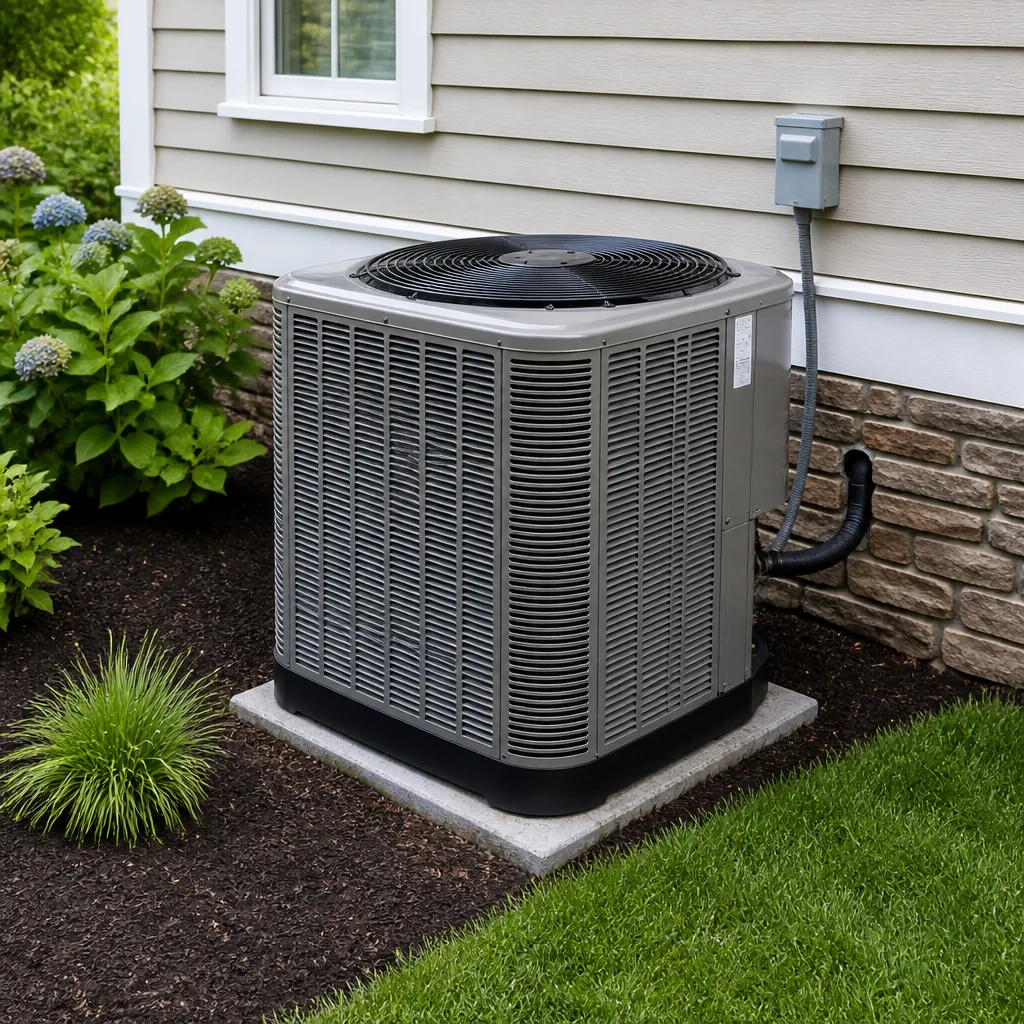
- Condenser coil cleaning. The outdoor unit’s coil gets caked with desert dust and cottonwood fuzz during spring. A dirty coil raises head pressure and makes the compressor work harder, which shortens its life and raises your electric bill. A technician removes the outer panels and flushed the coil with a proper cleaning solution.
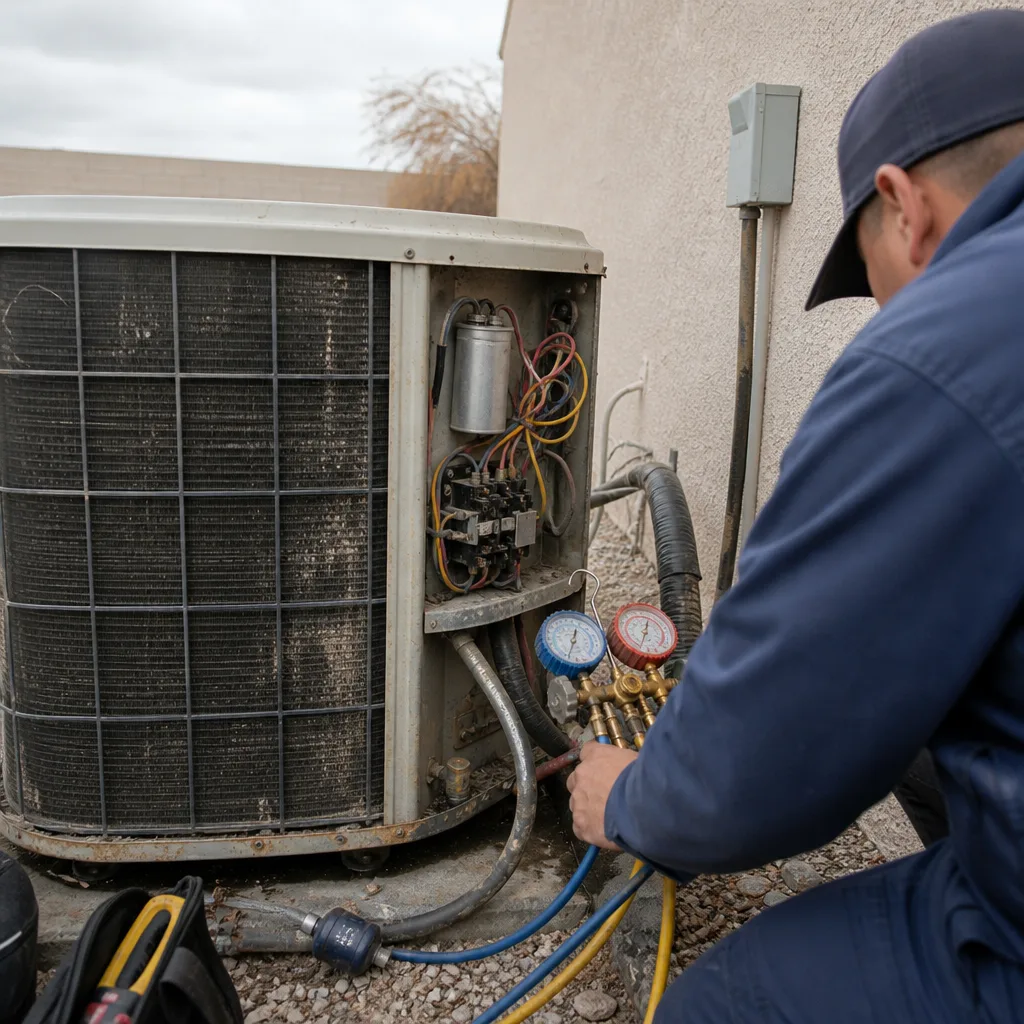
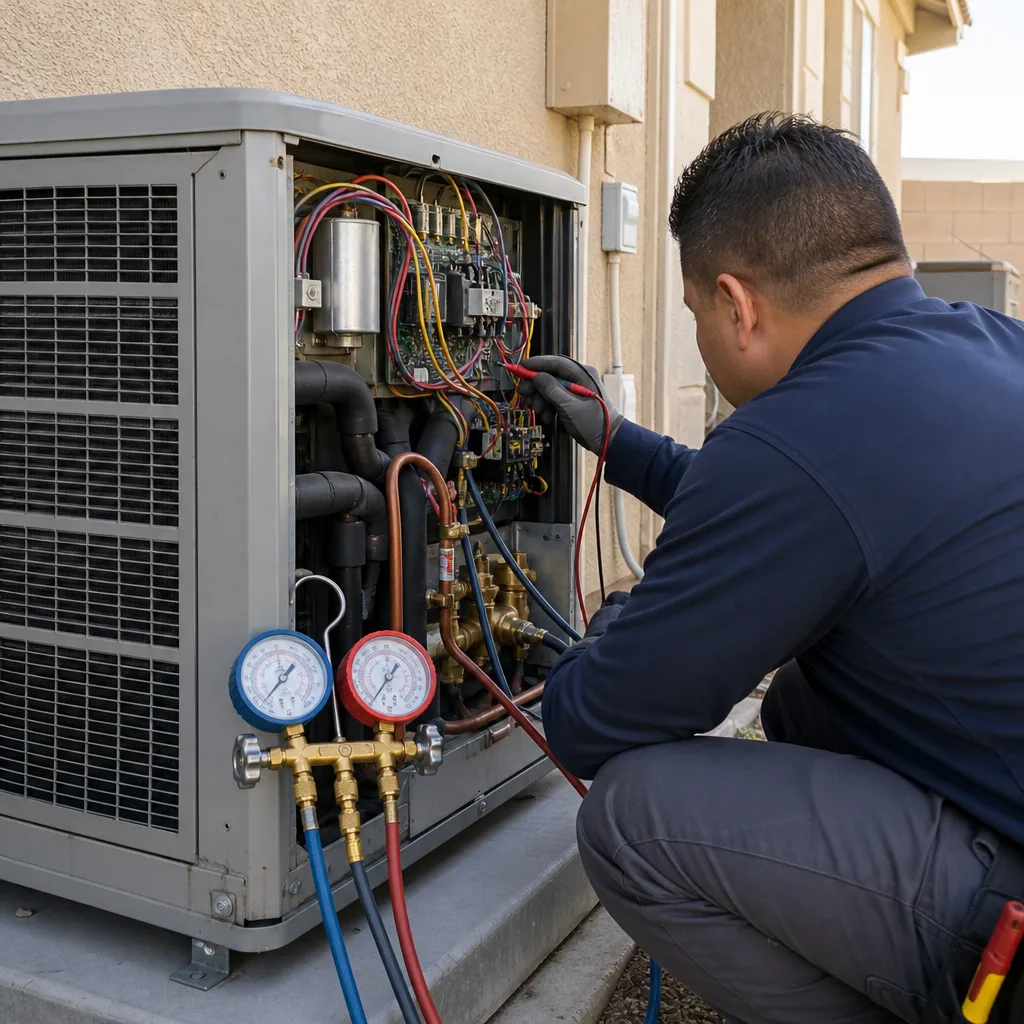
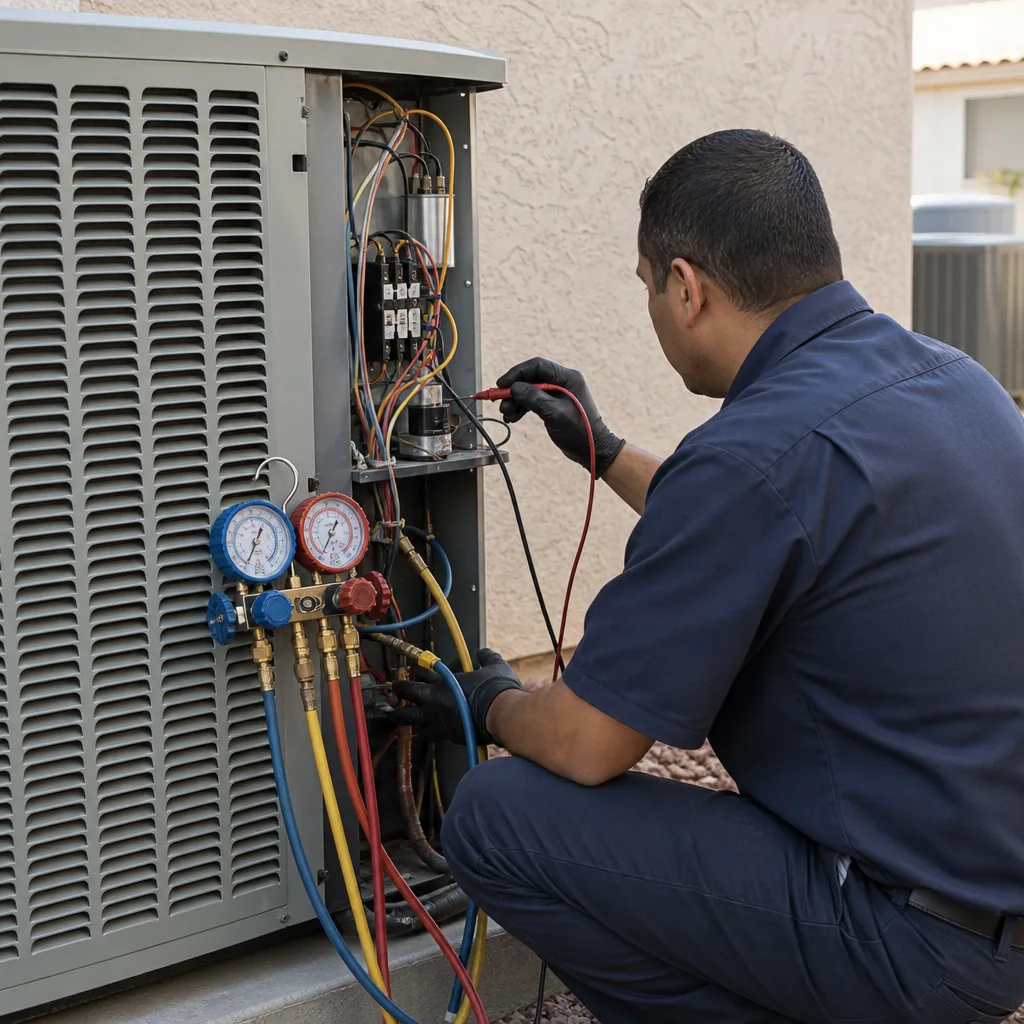
- Refrigerant level check (using a manifold gauge set). This is the one task you cannot do yourself. Checking refrigerant pressure requires a manifold gauge set and the EPA Section 608 certification to handle refrigerant. A system that’s even 10% low on refrigerant will run longer cycles and cool less effectively. In Las Vegas, where AC runs 14 to 18 hours a day in summer, a small refrigerant leak becomes a major power bill problem.
- Capacitor testing. The capacitor is the electrical component that gives the compressor and fan motor their starting jolt. Las Vegas heat kills capacitors faster than any other component. A technician tests the capacitor’s microfarad rating. If it’s below specification, replacing it now costs $120 to $250. Replacing it when it fails in August costs the same part plus an emergency service call fee and a miserable wait.
- Contactor inspection. The contactor is the electrical switch that turns the outdoor unit on and off. Pitted or burned contacts cause intermittent operation. This is a $60 to $150 part that’s easy to replace in March and a common cause of mid-summer failures.
- Thermostat calibration check. A thermostat that reads 72°F when the room is actually 75°F will run your system too long or not long enough. Calibrating it is a five-minute job that improves comfort and efficiency.
- Condensate drain flush. Las Vegas air conditioning produces gallons of condensate in summer. A clogged drain line can overflow and damage ceilings or walls. Flushing the line in spring prevents a soggy August surprise.
- Filter replacement or cleaning. This one is on you year-round, but spring is the time to establish the habit. In a dusty climate like Las Vegas, check your filter monthly during cooling season. A dirty filter restricts airflow, which causes the evaporator coil to freeze and the system to run inefficiently.
One thing we tell every Las Vegas homeowner: do not wait until the first 95°F day to call for your spring tune-up. By then, every HVAC company in the valley is booked out a week or more, and you’ll be paying emergency or overtime rates if you need a repair. A March appointment costs the same as it would have in February. A June appointment, if you can even get one, is triple the hassle.
May – September: Surviving the Las Vegas Heat Without a Breakdown
From mid-May through late September, your AC system in Las Vegas is running harder than any other residential system in the country. Summer daytime highs regularly exceed 105°F, and overnight lows sometimes never drop below 90°F. That means your compressor can cycle on and off 200 to 300 times a day. Nothing you can do will eliminate all risk of a mid-summer breakdown, but there are specific things you can do to reduce it dramatically.
During the Las Vegas Cooling Season: What Homeowners Should Do
- Change or clean your filter every 30 days during summer. This is the single highest-impact thing you can do. In Las Vegas, a filter that would last 90 days in a mild climate will be clogged in 30. A clogged filter causes the evaporator coil to freeze, which leads to a no-cooling call and potential compressor damage.
- Keep the outdoor unit clear of debris. The condenser needs at least 2 feet of clearance on all sides. Trim back shrubs, remove accumulated leaves and cottonwood fuzz, and don’t stack anything against the unit. Restricted airflow is a fast path to compressor failure.
- Set the thermostat to a reasonable temperature, not a freezer setting. A system that struggles to hold 72°F when it’s 112°F outside is working within spec. Las Vegas AC systems are typically sized for a 25 to 30 degree temperature differential from outdoor conditions. When it’s 110°F outside, your system is doing well to hold 78°F to 80°F. Cranking the thermostat down to 68°F doesn’t make it cool faster; it just makes the system run constantly and freeze up.
- Watch your energy bills for sudden spikes. A 20% jump in your summer electric bill with no change in usage usually means the system is losing efficiency. Common causes: low refrigerant, a failing capacitor, or a dirty condenser coil. Catching these early means a $200 repair instead of a $2,000 compressor replacement.
- Know where your circuit breakers are. If the outside unit trips its breaker and you reset it once and it trips again, do not keep resetting it. That’s a symptom of a bigger electrical problem. Call a technician.
In Las Vegas summer heat, a failed AC is more than uncomfortable. For elderly residents, young children, and people with certain medical conditions, a house that’s 95°F inside is a health risk. That’s why we staff live phone coverage 24 hours a day, 7 days a week at (725) 726-3813. When your AC goes down at 8 p.m. in July, you talk to a person, not a voicemail tree. And you get a written price before any work begins, which means no door-step surprises at midnight.
October – November: The Only Safe Time to Inspect a Heat Exchanger
Fall in Las Vegas is short, but it’s the most important season for furnace safety. Here’s the thing most homeowners don’t know: a gas furnace’s heat exchanger cannot be properly inspected while the furnace has been running all winter. By the time January rolls around and your furnace has been cycling for weeks, a technician who opens the cabinet sees a heat exchanger that’s hot, expanded, and covered in soot. Hairline cracks are nearly impossible to spot. But in October, before the heating season starts, the heat exchanger is cold. Cracks show up clearly under visual inspection and with a combustion analyzer.
Why Skipping the Fall Furnace Check Has Real Safety Consequences
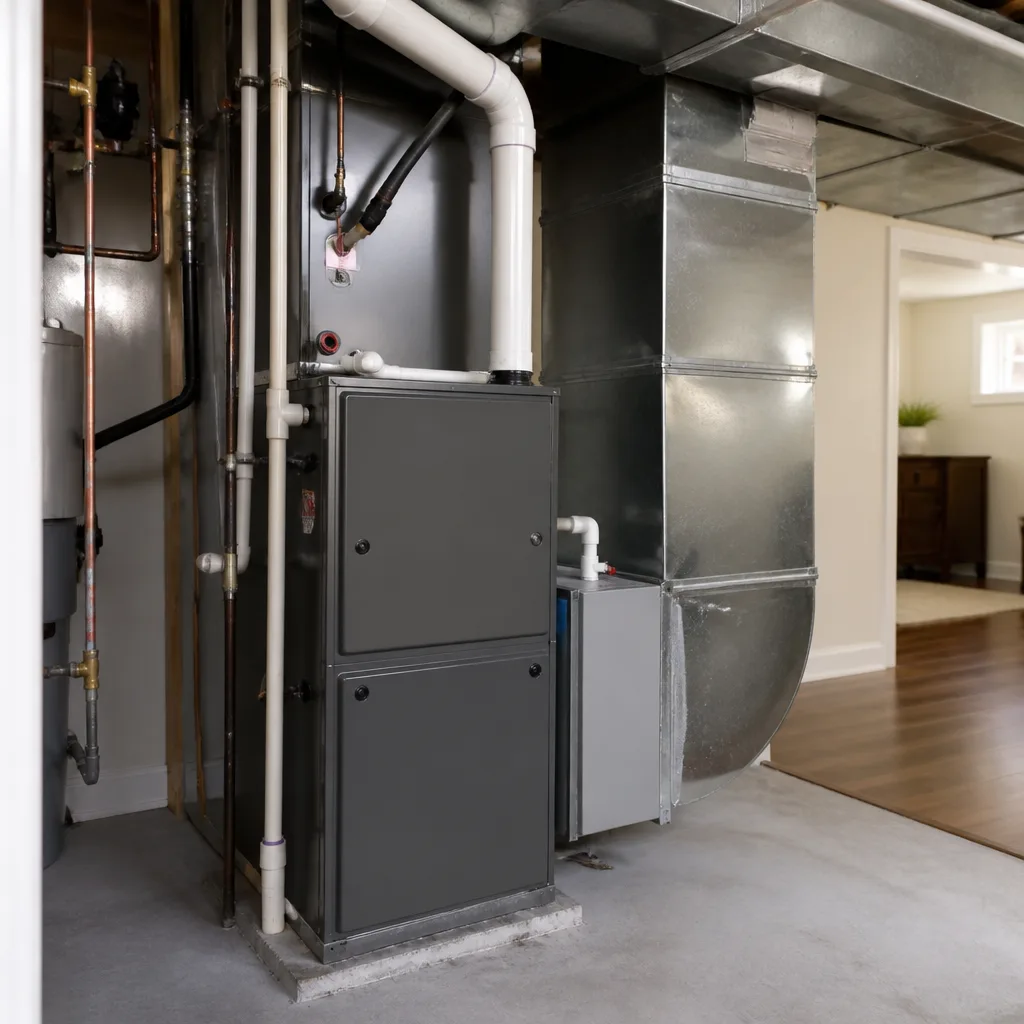
The heat exchanger is the metal chamber inside your gas furnace where the burner flame heats the air that’s about to be circulated through your home. The combustion gases (including carbon monoxide) stay on one side of the exchanger; your breathing air stays on the other. When the heat exchanger cracks, those combustion gases can mix with your home’s air supply. A cracked heat exchanger is the most common cause of carbon monoxide poisoning from residential furnaces.
In Las Vegas, furnaces sit idle for seven to eight months of the year. That’s a long time for condensation, dust, and small critters to do their work inside the cabinet. When the furnace finally fires up on a cold December night, any problem that’s been developing all spring and summer shows up in the first hour of operation. That’s why we recommend a furnace safety check in October or early November. The check should always include:
- Visual heat exchanger inspection with a borescope camera where accessible
- Carbon monoxide testing in the supply air stream and at the flue
- Burner cleaning and adjustment to ensure proper flame pattern and efficiency
- Flue and venting inspection for blockages, corrosion, and proper draft
- Gas pressure check at the manifold
- Safety switch testing to confirm the system shuts down properly under fault conditions
Many Las Vegas homeowners have gas furnaces that are 15 to 20 years old. Manufacturers typically rate heat exchangers for 20 years under normal conditions, but Las Vegas’s dust and the intermittent usage pattern (heavy in winter, idle in summer) changes that math. If your furnace is past its 15th birthday, the fall check is non-negotiable. Catching a cracked heat exchanger in October means you can schedule a replacement on your timeline, not as an emergency on a 35-degree night.
We should also note: if your furnace is connected to a central AC system via a shared blower, the fall check should include a quick test of the blower motor and capacitor, since those components work year-round.
December – February: Winterizing Your System for Cold Snaps
Las Vegas winters are mild by national standards, but they’re not nothing. December and January nights routinely drop into the 30s, and every few years the valley sees a hard freeze that catches people off guard. What surprises newcomers is how cold a Las Vegas house can feel after three days of 40°F weather with no heat. And when the first cold snap hits, furnace repair calls spike just like AC calls do in June.
The Evaporative Cooler Problem Most Las Vegas Homes Face
A huge number of Las Vegas homes have evaporative coolers (swamp coolers) either as a primary cooling source or as a supplement to central AC. Evaporative coolers need to be winterized correctly, and the window for doing that is October and November, before overnight temperatures drop below freezing. Here’s the correct winterization sequence:
- Drain the water pan completely. Standing water left in the pan can freeze and crack the plastic or metal pan. A cracked pan means a replacement cost of $150 to $400.
- Disconnect and drain the water supply line. A frozen supply line can burst, and you won’t discover it until you turn the cooler back on in spring and water sprays everywhere.
- Clean the pads or remove them entirely. Mineral deposits from Las Vegas’s hard water build up on evaporative cooler pads all summer. Dried mineral crust reduces cooling efficiency next season. Replace pads now, or clean and store them.
- Cover the unit with a properly fitted cooler cover. This keeps dust, debris, and cold air from entering the duct system. An uncovered cooler leaks warm air out of the house in winter and pulls cold air in.
- Close the damper inside the ductwork. If your cooler has an internal damper, close it to seal the system from the cold outside air. This is the step most homeowners skip, and it’s the one that makes the biggest difference in heating bills.
What happens when homeowners skip winterization and a cold snap hits? The water pan freezes, the cooler blocks the duct with cold air, and the furnace has to work against a constant cold-air leak. Your heating bill goes up, your comfort goes down, and in the worst case, you’re buying a new water pan and paying for a service call in January when everyone else is also calling.
Furnace Filters and Thermostat Settings for Las Vegas Winters
During winter in Las Vegas, change your furnace filter every 60 to 90 days, more often if you have pets or live in a dusty area. A dirty furnace filter restricts airflow across the heat exchanger, which causes the exchanger to run hotter than designed. That’s another reason heat exchangers crack prematurely.
For thermostat settings, most Las Vegas homeowners find 68°F to 70°F comfortable during the day and can drop to 62°F to 65°F at night with a good blanket. Every degree you lower the thermostat saves about 2% to 3% on your heating bill. But don’t set it below 55°F if you leave town; you want the furnace cycling enough to keep pipes from freezing.
The Las Vegas HVAC Scheduling Calendar: When to Book, When to Avoid
Here’s the practical scheduling calendar we recommend to every homeowner in Las Vegas. It’s built around when HVAC companies are busy and when they have slack. If you call during a busy window, you’ll wait longer and pay more. If you call during a slack window, you’ll get faster service at the standard rate.
Best Months to Schedule HVAC Service in Las Vegas
| Month | Demand Level | What to Book | What You’ll Pay |
|---|---|---|---|
| January | High for heating calls | Only emergency furnace repairs | Standard rate, but longer wait |
| February | Moderate | Catch-up furnace maintenance | Standard rate |
| March | Low | Spring AC tune-up (ideal) | Standard rate, fast scheduling |
| April | Low to moderate | Spring AC tune-up (good) | Standard rate |
| May | Rising fast | AC tune-ups before first heat wave | Standard rate, but availability shrinking |
| June – August | Peak | Emergency AC repairs only | Emergency and overtime rates |
| September | High but falling | Catch-up AC repairs | Standard rate, better availability |
| October | Low | Fall furnace check (ideal) | Standard rate, fast scheduling |
| November | Low to moderate | Fall furnace check (good) | Standard rate |
| December | Rising | Furnace checks before holiday rush | Standard rate, but availability shrinking |
The pattern is simple: March and October are the sweet spots. HVAC companies in Las Vegas schedule out two to three weeks in June and July. In March and October, you can often get a same-week appointment. And because there’s no rush, the technician has time to do a thorough job rather than racing through a queue of emergency calls.
We’ll add one more practical note: if your AC system is more than 12 years old, book your spring tune-up in February or early March, not late April. Older systems are more likely to need parts that have to be ordered, and you want that parts lead time before the heat hits. Nothing is worse than discovering a failing compressor in May and waiting 10 days for a replacement while the temperature climbs.
DIY Maintenance vs. Professional Service: What’s Actually Worth Doing Yourself
There’s a clear line between what a homeowner can safely do and what requires a licensed technician. Our DIY vs Professional HVAC: The Las Vegas Homeowner’s Decision Guide breaks this down in detail. Here’s the honest breakdown based on what we’ve seen work (and fail) in Las Vegas homes over the last two decades.
Homeowner Tasks You Can (and Should) Do Yourself
- Change or clean your filter every 30 days during cooling season. This is the easiest, highest-impact task on this list. Buy filters in bulk at any hardware store. For standard 1-inch filters, plan on replacing monthly during summer in Las Vegas. For 4-inch media filters, every 3 to 6 months.
- Keep the outdoor condenser clear of debris. Walk around the unit once a month. Remove leaves, cottonwood fuzz, dog hair, and any junk that’s accumulated against the coil. Give it a gentle rinse with a garden hose from the outside, never with a pressure washer, and only when the system is off.
- Check the condensate drain for signs of clogging. If you see water pooling around the indoor unit, or the drain pan under the evaporator coil is full, you can try clearing the line with a wet/dry vacuum at the drain outlet. If that doesn’t work, call a pro.
- Keep vents and registers unblocked. Furniture, rugs, and closed doors all restrict airflow. In Las Vegas, airflow is everything during summer. Check that all supply vents are open and unobstructed.
- Listen for unusual sounds. A properly running AC or furnace has a steady, mechanical hum. Screeching, grinding, banging, or chattering are all symptoms of specific problems. Note the sound, when it happens, and what the system is doing at the time. This information saves a technician diagnostic time.
Tasks That Require a Licensed Technician (and Why)
- Refrigerant level checks and recharging. This requires a manifold gauge set and EPA Section 608 certification. Handling refrigerant without certification is illegal. A system that’s low on refrigerant has a leak somewhere, and adding refrigerant without finding the leak just wastes money.
- Any electrical work inside the cabinet. Capacitors store enough voltage to seriously injure or kill even when the power is off. Let a professional handle anything involving the capacitor, contactor, wiring, or control board.
- Heat exchanger inspection. This requires opening the furnace cabinet, removing the blower assembly, and using inspection cameras and combustion analyzers. It’s not a visual peek. It’s a proper safety check.
- Compressor diagnosis and replacement. The compressor is the heart of the AC system and costs $1,800 to $3,500 to replace. A wrong diagnosis means you’re paying for a part you didn’t need. Have a licensed tech confirm the diagnosis before any compressor replacement.
- Ductwork inspection and repair. Leaky ducts can lose 20% to 30% of your conditioned air into the attic. Identifying and sealing leaks requires specialized equipment and access skills.
The bright line is: if it involves refrigerant, electricity, gas, or sealed components, call a professional. If it involves cleaning, checking, or replacing filters, do it yourself. And one more thing: never attempt any repair on a system that’s under warranty. DIY work can void the warranty on major components, which means a repair that should have been free becomes a $2,000 out-of-pocket expense.
What Your Specific Brand Needs: York, Daikin, Bryant, and American Standard
Most Las Vegas homes have one of the major HVAC brands: Carrier, Trane, Lennox, Goodman, Rheem, York, Daikin, Bryant, or American Standard. We’re trained to service all nine, and each brand has its own quirks when it comes to seasonal maintenance. Here’s what we’ve learned from working on these systems in Las Vegas specifically.
York Systems in Las Vegas
York units are common in Las Vegas homes built in the late 90s and early 2000s. The brand’s compressors are generally solid, but York’s control boards tend to be sensitive to the voltage fluctuations we see during summer monsoons. In our experience, a York system that’s more than 10 years old benefits from having the control board connectors checked during the spring tune-up. Loose or corroded board connections are a frequent cause of intermittent no-cooling calls on York systems in July.
Daikin Systems in Las Vegas
Daikin is relatively newer to the Las Vegas residential market, but we’re seeing more of them every year, particularly ductless mini-splits in add-on rooms and garage conversions. The big maintenance item on a Daikin ductless system is keeping the indoor unit’s washable filter clean. In Las Vegas dust, a mini-split filter that’s not cleaned every three weeks will restrict airflow and cause the evaporator coil to ice up. The outdoor unit also needs its coil cleaned more frequently than a traditional split system because it sits lower to the ground and picks up more debris.
Bryant Systems in Las Vegas
Bryant and Carrier are sister brands under the same parent company, and they share a lot of engineering. Bryant condensers hold up well in Las Vegas heat, but we’ve noticed the brand’s evaporator coils tend to develop pinhole leaks earlier than some competitors when they’re exposed to the valley’s hard water and mineral-heavy air. If you have a Bryant system older than 8 years, the spring refrigerant check is more important than ever. Catching a small leak early means a repair; catching it late means a compressor replacement.
American Standard Systems in Las Vegas
American Standard (and its twin brand Trane) builds some of the most durable equipment on the market, which matters when the Las Vegas summer puts 90 to 100 days of 100°F+ heat on the condenser every year. The maintenance item we watch most on American Standard systems is the blower motor. These systems are efficient, but efficiency depends on clean airflow. The filter, the blower wheel, and the evaporator coil all need to stay clean for an American Standard system to deliver its rated performance.
One thing that applies to every brand: seasonal maintenance does more than prevent breakdowns. It preserves the manufacturer’s warranty. Most major brands require proof of annual professional maintenance to honor parts warranties on compressors and heat exchangers. Skip the maintenance, and you might be paying for a $2,500 compressor replacement on what was supposedly a covered part.
If you have a different brand, that’s fine. We work on all nine major residential brands, and the principles of Las Vegas seasonal maintenance apply across the board.
Common Mistakes to Avoid
- Waiting for hot weather to call about AC problems. If your AC made a strange noise in September and you ignored it all winter, you’ll probably find out in June that the problem never went away. Las Vegas’s seasonal pattern means the problem just waited for peak load to fail completely.
- Turning the thermostat down to 65°F when it’s 110°F outside. This doesn’t cool the house faster. It just makes the system run nonstop, freeze the evaporator coil, and eventually trip the breaker. Set it to a realistic temperature and let the system cycle normally.
- Closing vents in unused rooms to save energy. This increases static pressure in the ductwork, which makes the blower motor work harder and can cause the evaporator coil to freeze. Your system was designed to run with all vents open.
- Skipping the fall heat exchanger inspection because “we barely use the furnace.” Las Vegas furnaces sit idle for most of the year, which is exactly when condensation and rust can develop on the heat exchanger. A furnace that’s only used three months a year is not immune to problems; it’s just running blind.
- Forgetting to winterize the evaporative cooler. Every January, we get calls from Las Vegas homeowners whose swamp cooler water line froze and burst because they forgot to drain it in October. The repair is a $150 to $400 expense that could have been avoided with 30 minutes of winterization.
- Buying the cheapest filter available and never changing it. A $3 fiberglass filter that’s clogged with dust restricts airflow just as much as a $20 pleated filter that’s never been replaced. In Las Vegas dust, cheap filters need to be changed monthly, no exceptions.
- Resetting a tripped breaker more than once. If the AC or furnace breaker trips and you reset it and it trips again, the breaker is doing its job. Resetting it repeatedly can damage the compressor or start a fire. Call a technician.
When to Call a Professional
Some situations clearly call for a licensed technician, and trying to fix them yourself can make the problem worse or create a safety risk. Call a professional if you hear grinding, banging, or screeching from the system; if you smell burning or gas; if the breaker trips more than once; if ice forms on the indoor unit or the copper line set; if the system runs but doesn’t cool or heat effectively; or if you haven’t had a seasonal tune-up in over a year. Electric shock, refrigerant exposure, and carbon monoxide are all real hazards in HVAC work. Cold Harbour Heating and Air Las Vegas offers free estimates in Las Vegas. Call (725) 726-3813 and you’ll speak to a live person, get a written price before any work begins, and receive a written guarantee on every repair. If you’re not sure whether your issue is urgent, call anyway. We’d rather answer your question than have you risk an unsafe DIY repair.
For homeowners considering a system replacement rather than another repair season, our team can help you evaluate AC installation in Las Vegas with honest guidance about what your home actually needs, not what’s easiest to sell. And if you want to read more about our company’s approach to the work, start with our Cold Harbour Heating and Air Las Vegas home page.
Frequently Asked Questions
Twice a year, once in spring (March or April) for the AC and once in fall (October or November) for the furnace. Las Vegas’s dust, hard water, and extreme summer heat put more strain on HVAC equipment than almost any other climate in the country.
A standard AC or furnace tune-up typically runs $89 to $189 for the basic inspection and cleaning, with repairs or parts extra if the technician finds problems. Some companies offer maintenance agreements that bring the per-visit cost down and include priority scheduling.
A system that runs continuously without reaching the set temperature usually means low refrigerant, a dirty condenser coil, or a failing compressor. In Las Vegas summer heat, this problem needs to be addressed quickly because the system is working at maximum load and a small problem becomes a big one fast.
If your system is more than 12 years old and needs a repair that costs more than 40% of the replacement value, replacement usually makes more sense. This is especially true in Las Vegas, where a new high-efficiency system can cut your summer cooling bill by 20% to 40% compared to a 15-year-old unit.
You can change filters, keep the outdoor unit clear, and check the condensate drain. But anything involving refrigerant, electrical components, or the compressor requires a licensed technician with EPA certification. Attempting those repairs yourself is dangerous and can void your warranty.
March and October. You’ll get the fastest scheduling, the most thorough service, and the standard rate without any emergency or overtime fees. Booking during these months also means your system is ready before the extreme weather hits, which is the whole point of seasonal maintenance.
The Bottom Line
Las Vegas doesn’t have four seasons, but it has four HVAC realities: a spring window where maintenance is cheap and fast, a brutal summer that punishes neglected equipment, a fall window that’s the only safe time for furnace safety checks, and a short winter that catches people off guard. The homeowners who avoid emergency breakdowns and surge pricing are the ones who act in March and October, not in June and December. Twice-yearly professional tune-ups, monthly filter changes during summer, and proper evaporative cooler winterization are the three highest-impact habits for Las Vegas homeowners. You can find more guides & resources on our blog. If you haven’t scheduled your seasonal maintenance yet this year, call (725) 726-3813. You’ll get a live person, a written price, and a written guarantee. That’s how we’ve done it in Las Vegas since 2003.
Written by Victor Mancini, Owner at Cold Harbour Heating and Air Las Vegas, serving Las Vegas since 2003.
See the difference
 Before
 After
After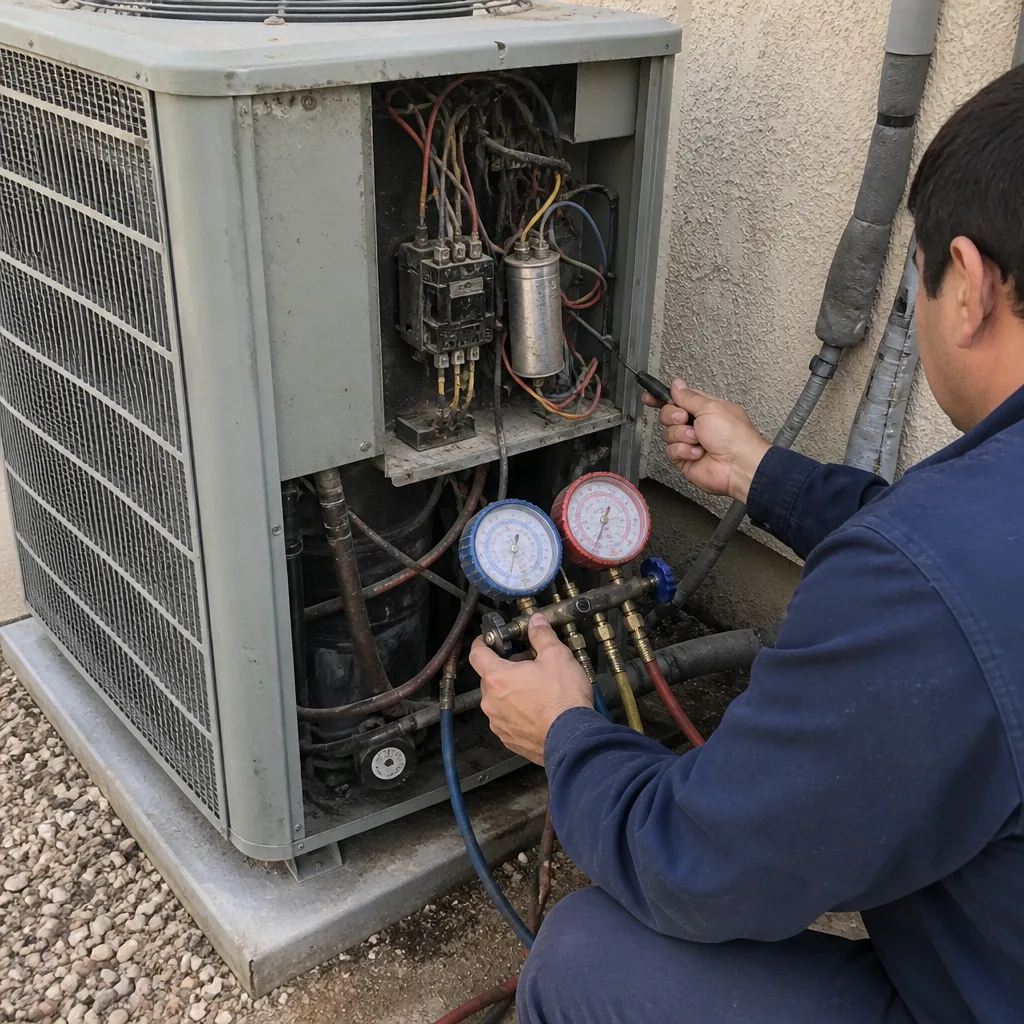 Before
 After
After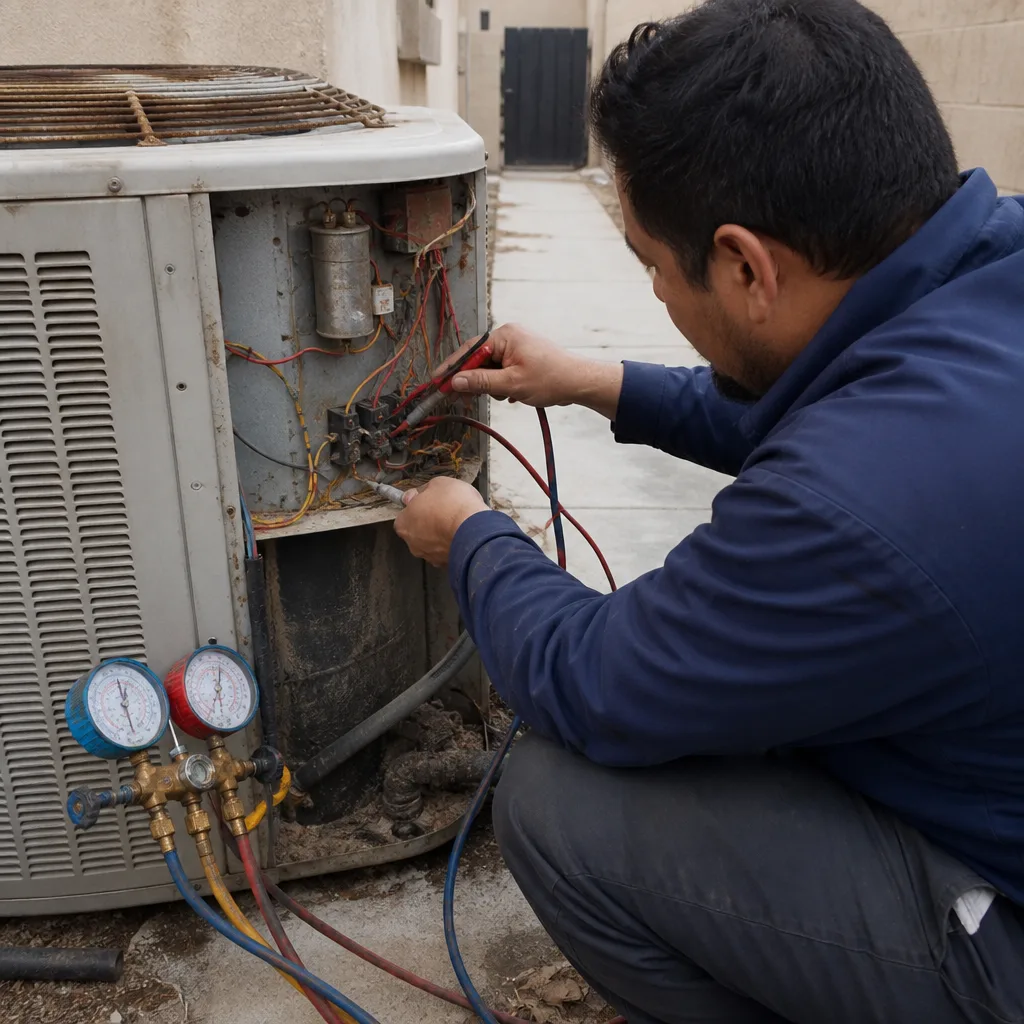 Before
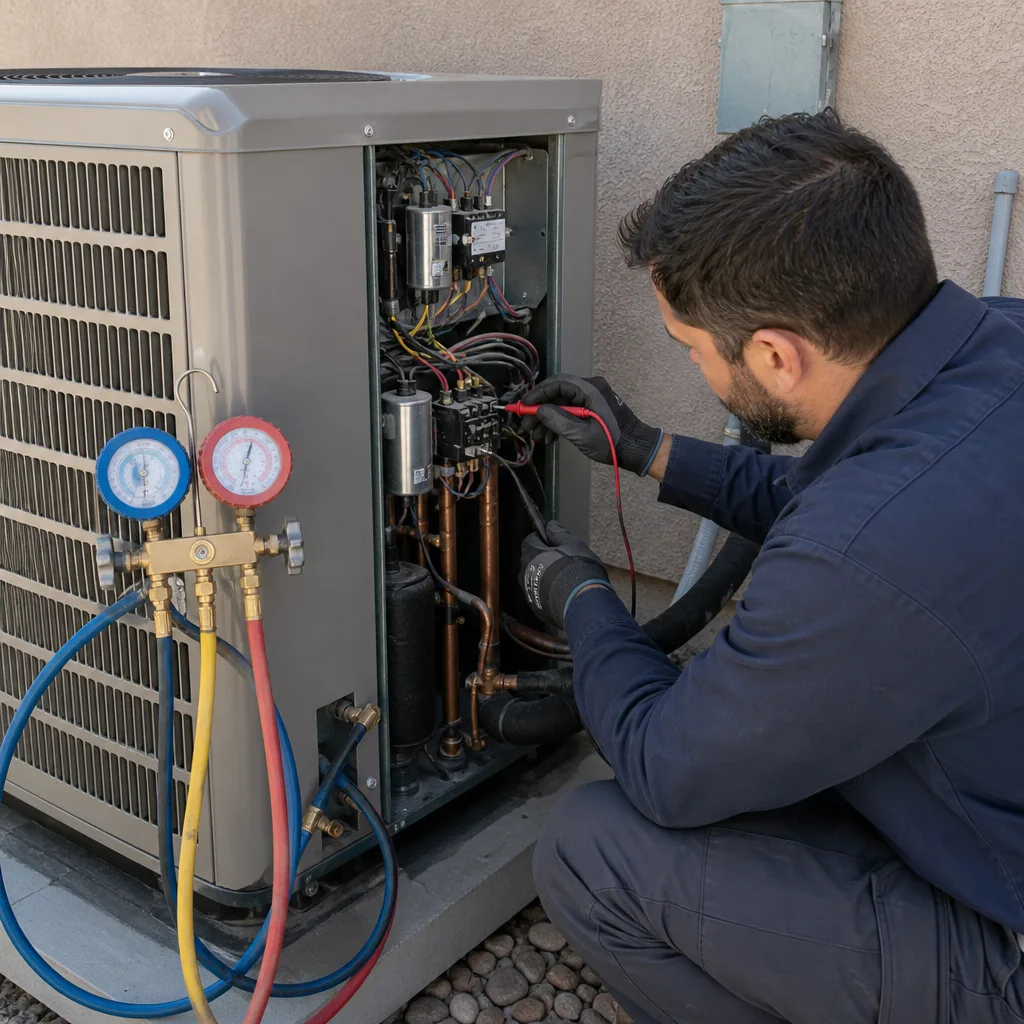 After
After