
Last updated October 16, 2026
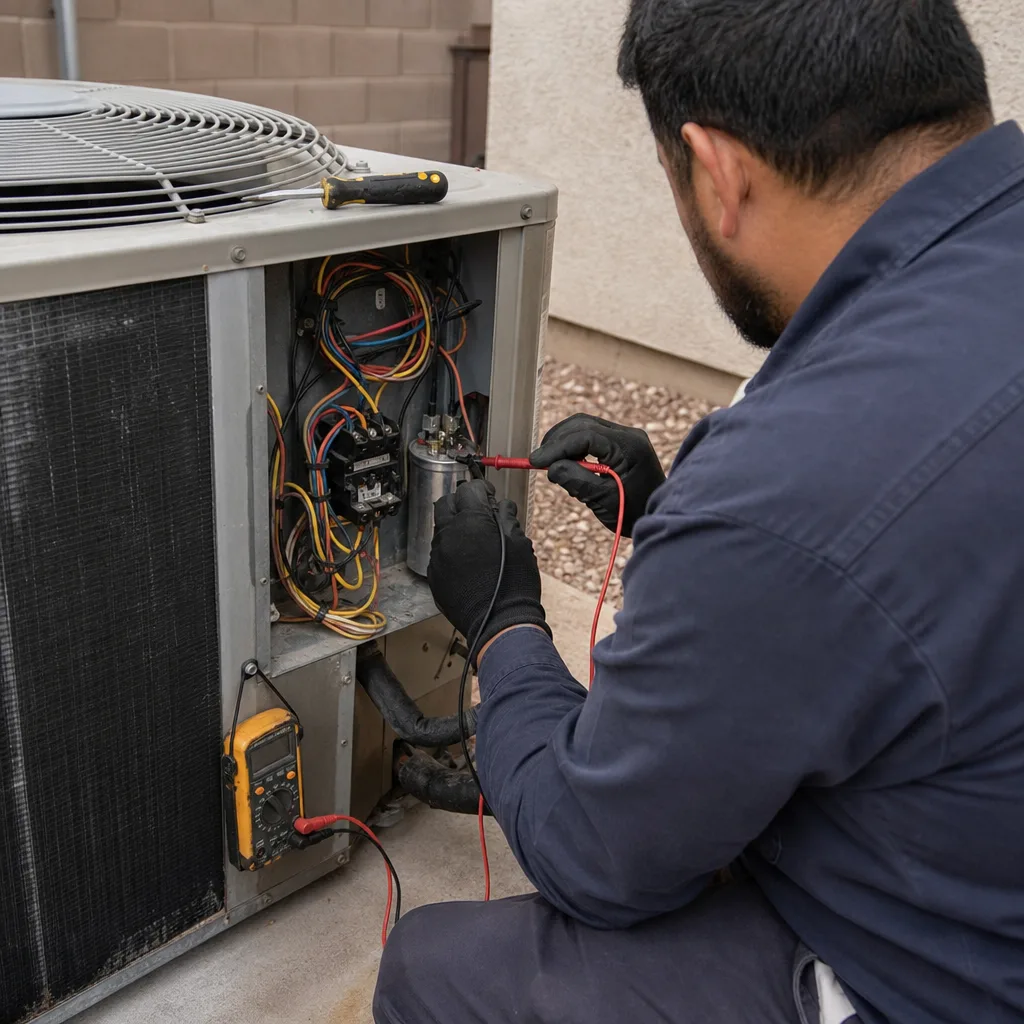
 AC repair
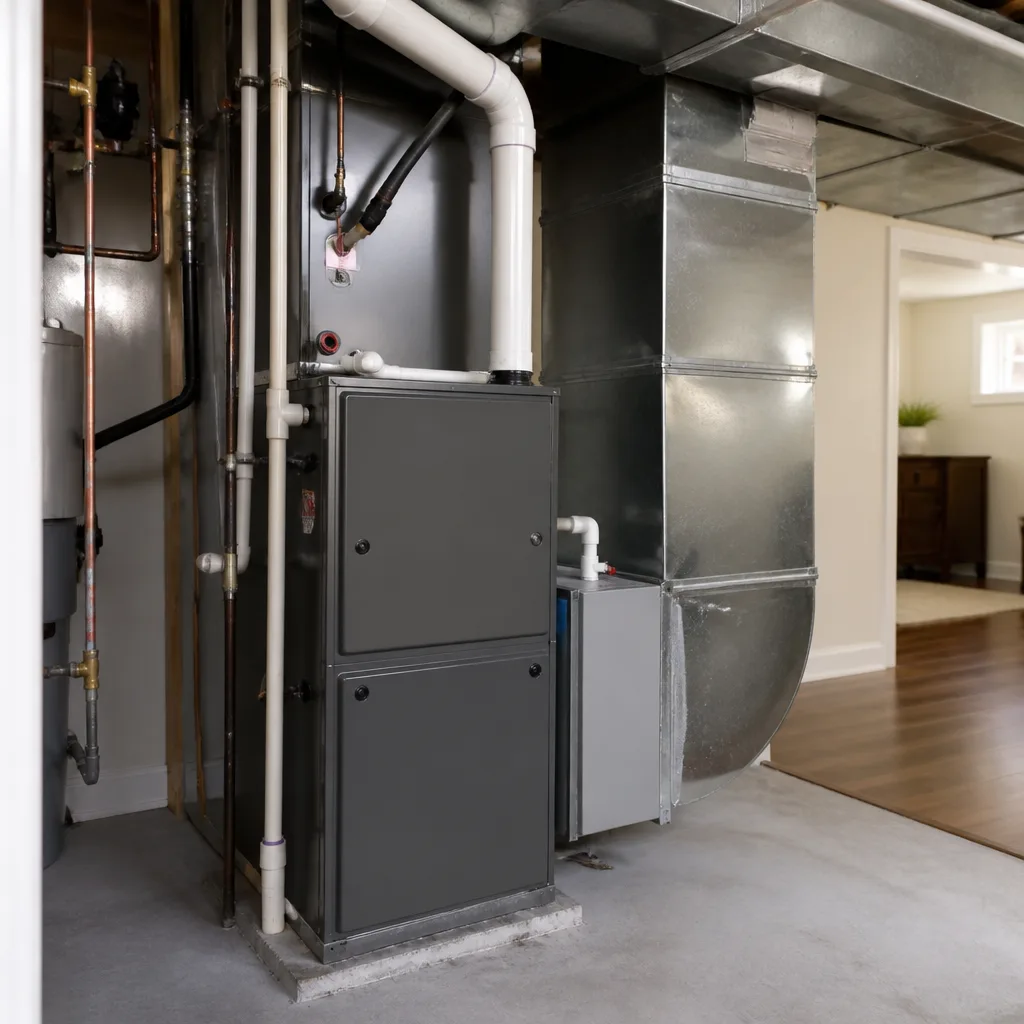 Furnace & heating
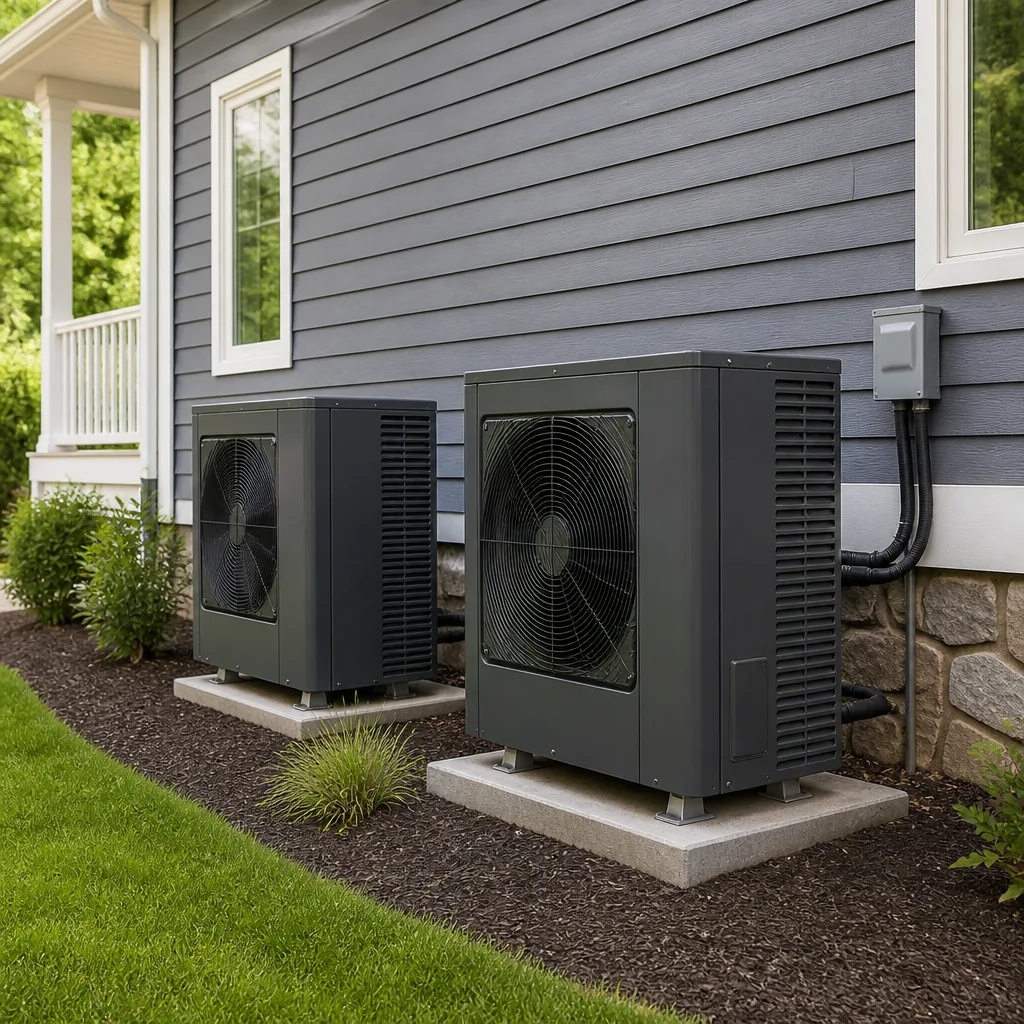 Heat pumps
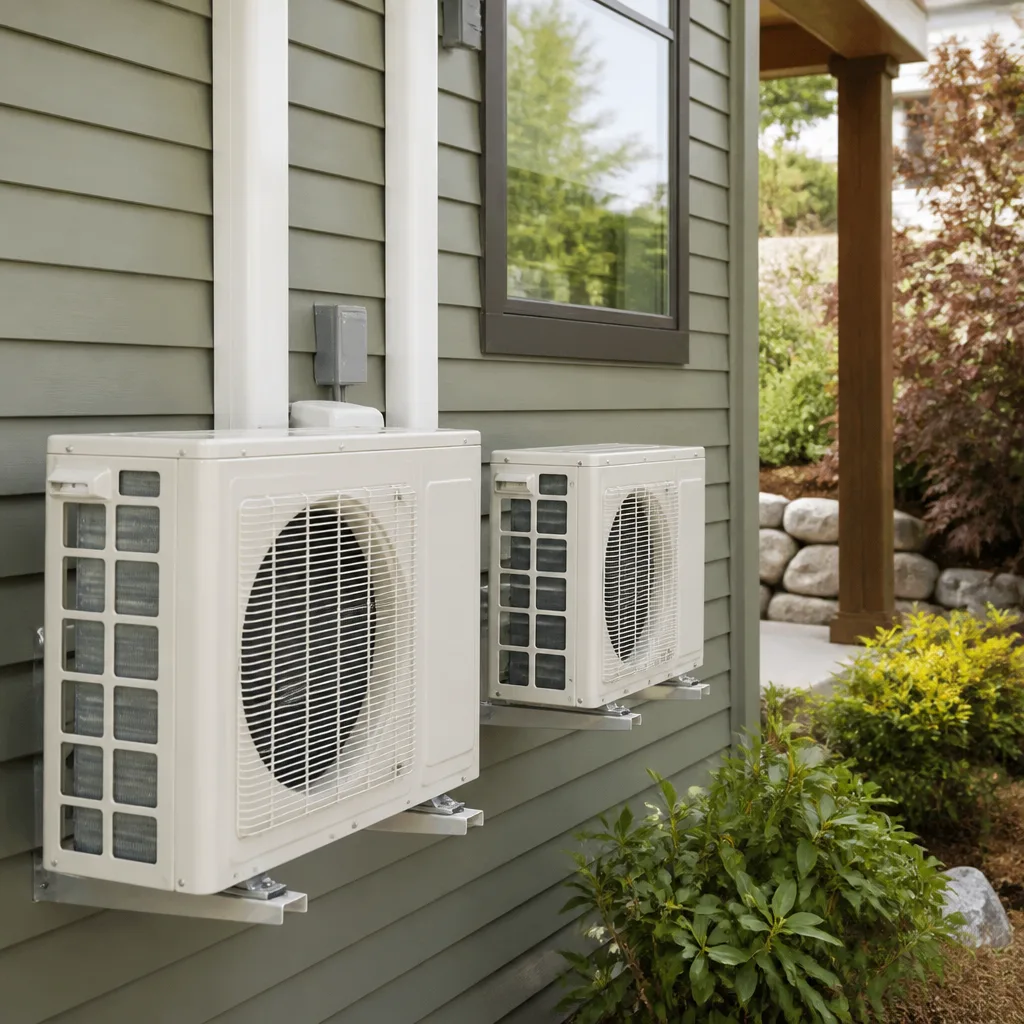 Ductless mini splits
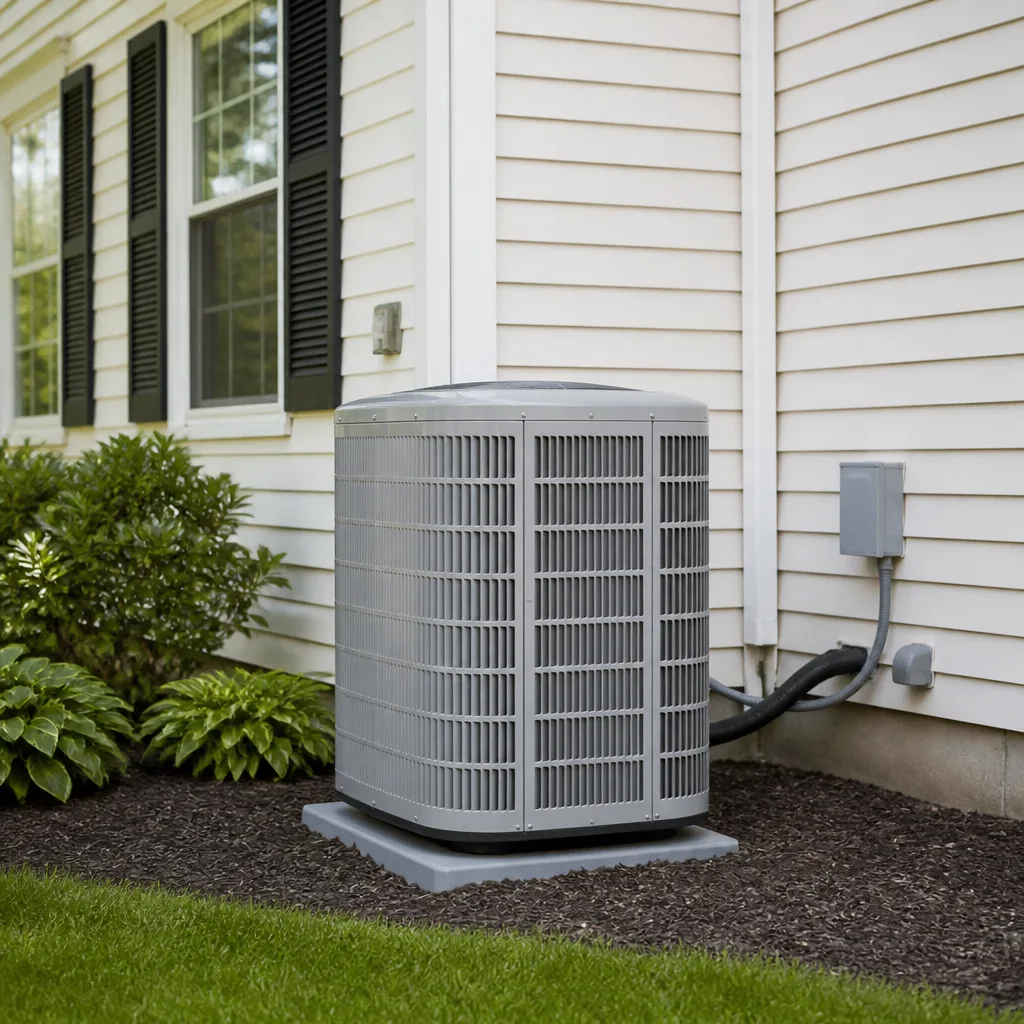 Carrier
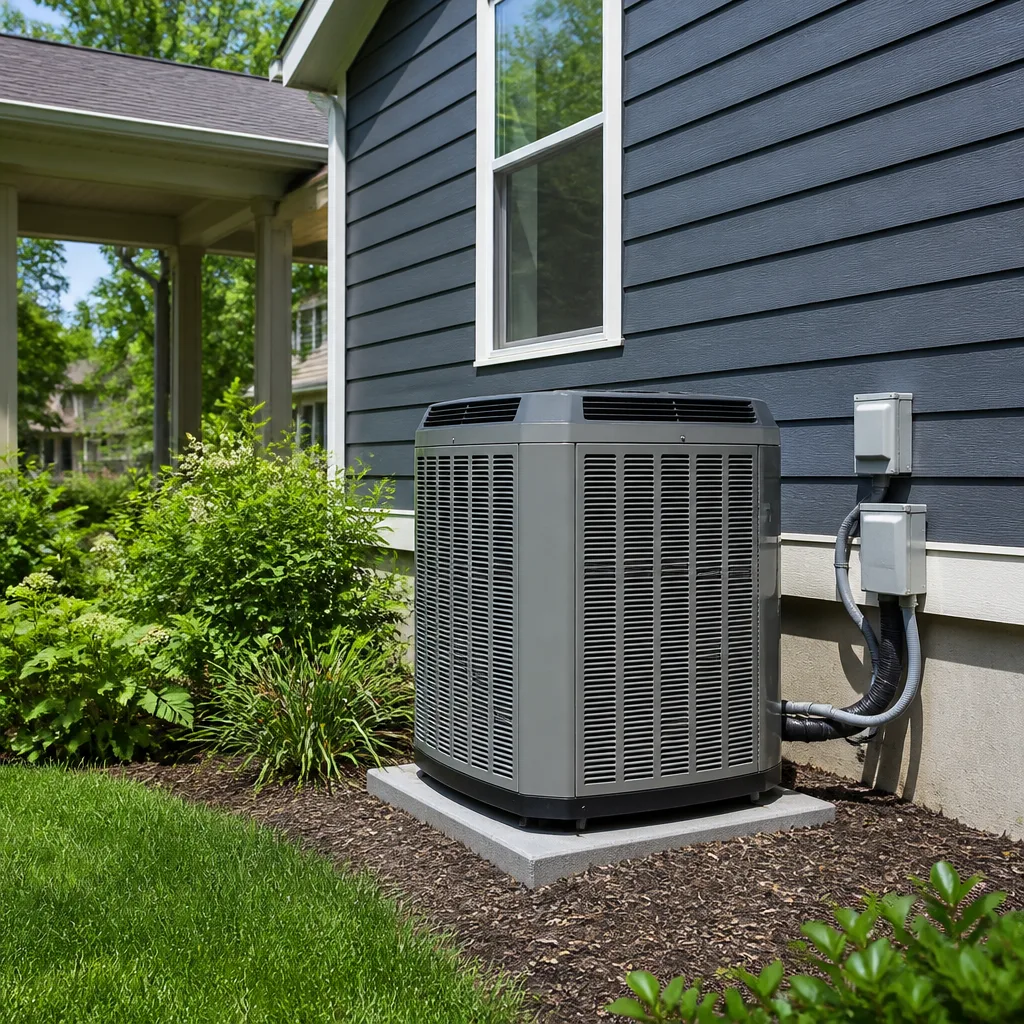 Trane
Trane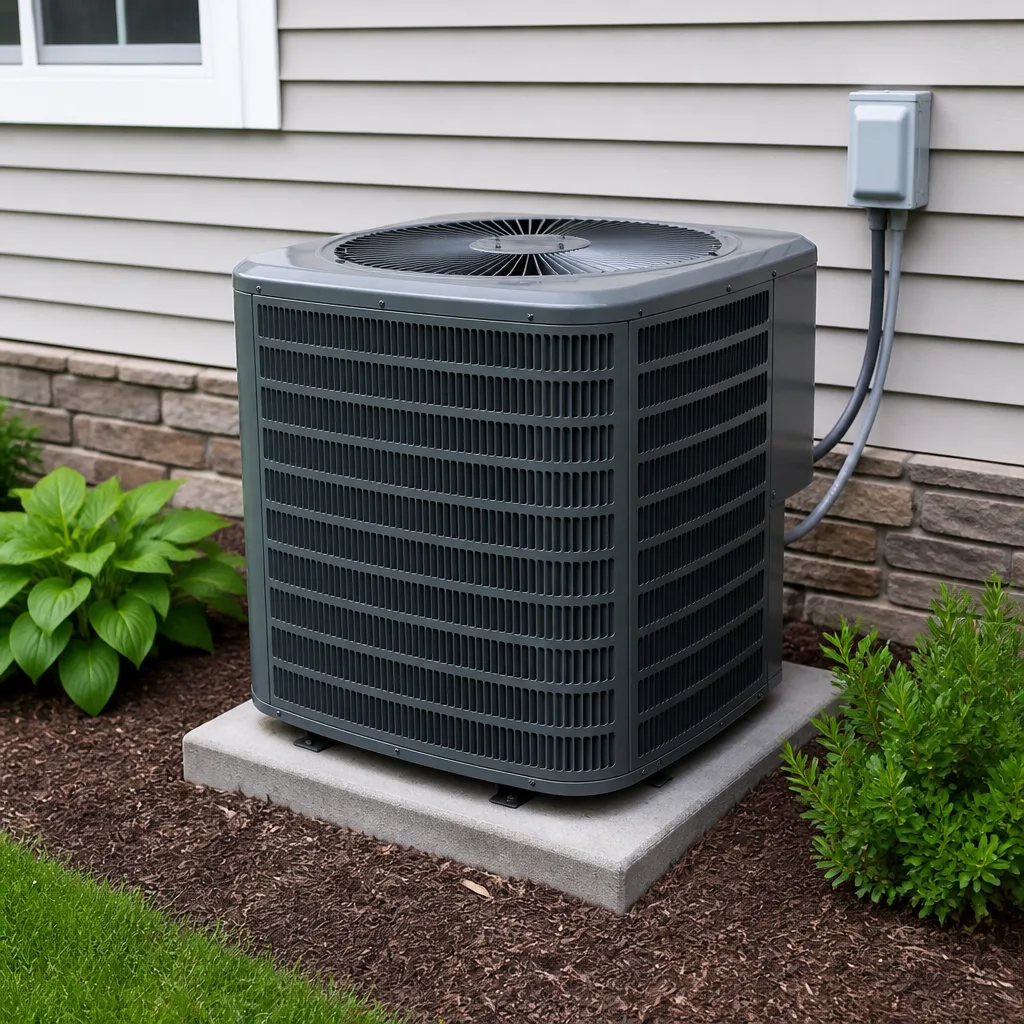 Goodman
Seasonal tune-up and full diagnostic on your Carrier, Trane, or Goodman system - readings shown to you before any repair is proposed
Diagnosis first, numbers second - you approve the repair price before a single part goes in.
Get your free estimateThe Complete Guide to HVAC in Las Vegas
Las Vegas averages 294 sunny days a year, but it’s the 40-degree overnight drops in spring and fall, not the 115°F summer peaks, that crack the most heat exchangers and blow the most capacitors in the valley. Most HVAC guides treat Las Vegas as just another hot city where air conditioners work hard and die young, but our more guides & resources cover what actually breaks here. That misses the real story. This guide covers what actually breaks here, why the desert soil under your slab matters as much as the sun overhead, and how to make decisions before a July failure forces your hand. You’ll learn realistic system lifespans for Las Vegas operating hours, why hard water changes everything about cooling tower and evaporative cooler maintenance, and what a properly sized system actually costs in this market.
Styles & brands we work with
Quick Answer
HVAC in Las Vegas means designing for 110°F summer days, 40-degree overnight temperature swings in spring and fall, caliche soil that shifts under slabs, and some of the hardest municipal water in the country. A properly sized, correctly installed system in Las Vegas should last 12 to 15 years for an air conditioner and 15 to 20 for a furnace, but only with maintenance calibrated to desert conditions, not national averages. Repairs on most residential systems in Las Vegas run $180 to $650, while full system replacement typically costs $8,000 to $16,000 depending on size and efficiency rating.
Table of Contents
- Why Las Vegas Climate Breaks HVAC Systems Differently
- Caliche Soil and Your Condenser: What’s Under the Slab Matters
- Hard Water, Swamp Coolers, and Scale: The Las Vegas Water Problem
- SEER2 and HSPF2 Ratings: What Nevada’s Climate Zone Actually Demands
- Manual J Load Calculations: Why So Many Las Vegas Homes Have the Wrong Size System
- Real System Lifespan in Las Vegas: Operating Hours, Not Calendar Years
- A Maintenance Schedule Built for Las Vegas, Not the National Average
- Common Mistakes to Avoid
- When to Call a Professional
- Frequently Asked Questions
- The Bottom Line
Why Las Vegas Climate Breaks HVAC Systems Differently
Las Vegas doesn’t have a cooling season. It has a cooling marathon that runs from late April through mid-October, with overnight lows that sometimes never drop below 90°F in July and August. That means your compressor runs more hours in six months than a Chicago system runs in three years. But the part most guides miss is the swing season.
In March, April, October, and November, Las Vegas routinely sees daytime highs in the 70s or 80s and nighttime lows in the 40s. That’s a 35- to 40-degree swing inside 12 hours. Your furnace kicks on at 5 a.m. and your AC kicks on at 2 p.m., sometimes on the same day. This thermal cycling is what kills heat exchangers in furnaces and capacitors in condensing units. The metal expands and contracts, the capacitor takes the surge, and eventually something gives.
We see this every spring and fall at Cold Harbour Heating and Air Las Vegas home. A capacitor that worked fine in September fails in March because it spent a winter absorbing those cold morning starts after a summer of 100-degree afternoons. The lesson for homeowners: treat spring and fall as maintenance seasons, not downtime. Your system is working harder in April at 78°F than you think.
Caliche Soil and Your Condenser: What’s Under the Slab Matters
Las Vegas sits on caliche, a sedimentary layer of calcium carbonate that acts like natural concrete. It’s everywhere under the valley floor, and it affects your HVAC in two ways most guides never mention.
First, caliche shifts. It absorbs water slowly during the rare heavy rain and releases it slowly during the long dry spells. This causes minor ground movement under slabs and around foundations. When a concrete condenser pad is poured directly on grade over caliche, that pad can tilt or crack over a decade. A condenser that sits even slightly off level puts stress on the compressor mounts and the copper refrigerant lines. The unit still runs, but it’s quietly vibrating itself to death.
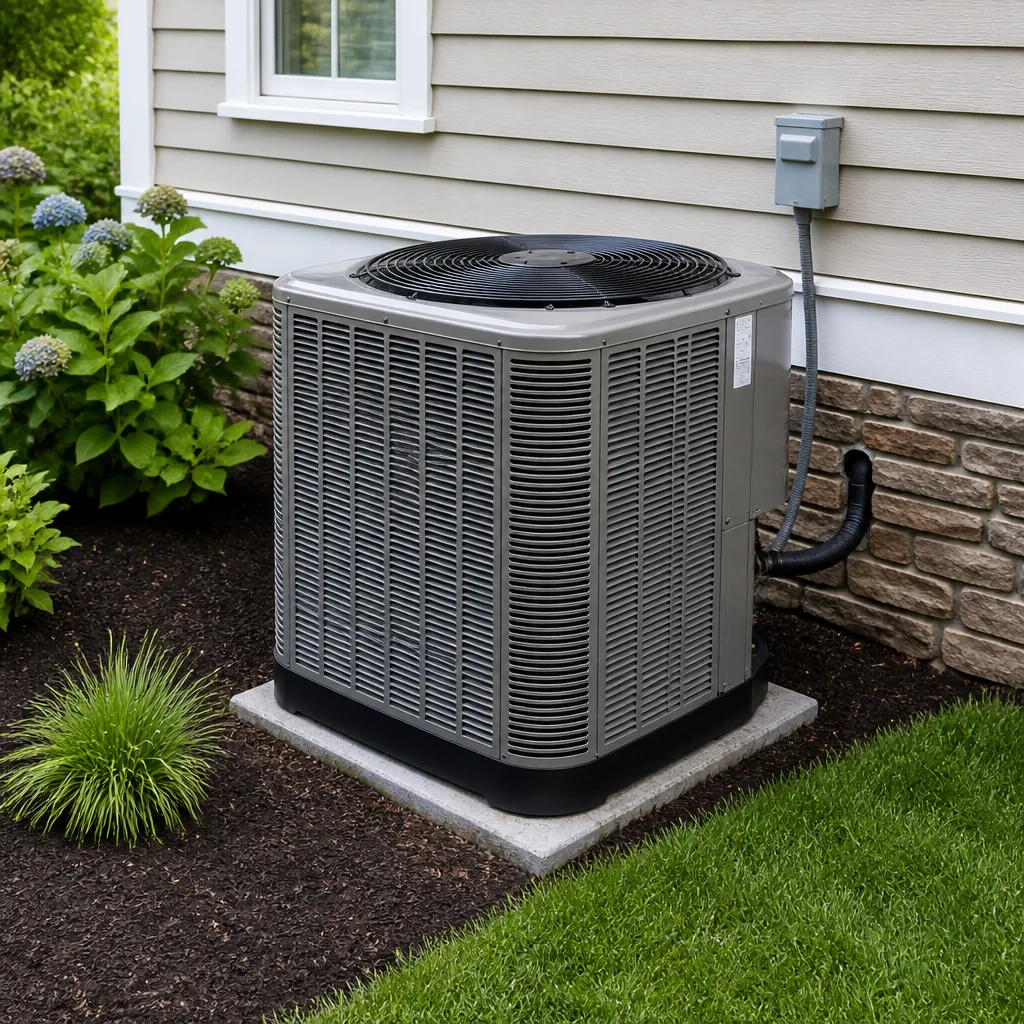
Second, caliche restricts drainage. During monsoon season, when a thunderstorm drops an inch of rain in 30 minutes, water pools around condenser pads instead of soaking in. If the pad sits low and the unit is ground-level, water intrusion into the electrical compartment becomes a real risk. In our experience at AC Repair in Las Vegas, we regularly replace contactors and capacitors that failed because monsoon water found its way into a ground-level unit on the east side of town. The fix is straightforward: elevate the condenser on a proper pad, check the level, and make sure the disconnect box is sealed.
Hard Water, Swamp Coolers, and Scale: The Las Vegas Water Problem
Las Vegas municipal water ranks among the hardest in the United States, with calcium carbonate levels routinely above 300 parts per million. For modern refrigerated air systems, hard water matters less because closed-loop refrigerant systems don’t use water. But for the thousands of older Las Vegas homes still running evaporative coolers, hard water is the difference between a unit that works for five years and one that dies in three.
Evaporative coolers, also called swamp coolers, work by passing air over wet pads. The water evaporates, the air cools, and the minerals stay behind. With Las Vegas water, those minerals build up fast. Scale coats the pads, clogs the water distribution lines, and eventually seizes the pump. A homeowner who replaces pads annually and bleeds off the sump water gets reasonable life. A homeowner who skips a season watches the unit turn into a mineral brick.
The practical takeaway: if your home was built before 1995 and still runs a swamp cooler, hard water means you need twice the maintenance the owner’s manual suggests. And if you’re replacing it, a modern heat pump or high-efficiency refrigerated system eliminates the water problem entirely. Bryant and American Standard both make units sized correctly for older Las Vegas homes, and a proper conversion raises a home’s cooling capacity noticeably in July.
SEER2 and HSPF2 Ratings: What Nevada’s Climate Zone Actually Demands
The Department of Energy updated efficiency testing standards in 2023, introducing SEER2 for cooling and HSPF2 for heat pumps. The numbers on new equipment look lower than the old SEER ratings, but that’s because the test is stricter, not because the equipment got worse. A 15.2 SEER2 unit is roughly equivalent to a 16 SEER unit under the old standard.
For Las Vegas, which sits in the Southwestern climate zone, the minimum legal SEER2 for a new split-system air conditioner is 14.3. That’s the floor. But here’s what matters: a unit at the legal minimum will struggle in the Mojave summer and cost significantly more to run than a 16 or 17 SEER2 unit. The upgrade from a 14.3 SEER2 to a 16.5 SEER2 costs roughly $1,200 to $2,000 more at the point of installation, and that gap closes through utility savings in four to six years of Las Vegas operating hours.
For heat pumps, which more Las Vegas homeowners are choosing because they handle both heating and cooling, the minimum HSPF2 is 7.5. A unit rated 8.5 or 9 HSPF2 handles the swing-season mornings better because it’s designed for more efficient low-temperature heating. Daikin and York both make heat pumps with strong HSPF2 ratings that suit the valley’s shoulder seasons.
Manual J Load Calculations: Why So Many Las Vegas Homes Have the Wrong Size System
Between 1995 and 2010, Las Vegas added roughly 500,000 new residents. Builders threw up homes fast, and HVAC subcontractors often sized systems using a rule of thumb: one ton of cooling per 500 square feet. That rule works okay in mild climates. In Las Vegas, where an unshaded west-facing wall can hit 160°F on a July afternoon, it undersizes systems by 20 to 30 percent.
A Manual J load calculation is the formal way to size an HVAC system. The process measures the home’s square footage, window area and orientation, insulation levels, ceiling height, number of occupants, and the local climate data for the specific ZIP code. The calculation produces a heating and cooling load in BTUs, and the system is sized to match. It takes a trained technician about an hour to complete, and it’s the difference between a unit that runs constantly and never satisfies the thermostat and one that cycles normally.
When we perform AC Installation in Las Vegas, we run a Manual J on every job. Homes built in the late 1990s in Summerlin, Green Valley, and Centennial Hills frequently come back with loads requiring a 4-ton unit where a 3-ton was originally installed. That explains why so many of those homes have hot upstairs rooms and $600 July power bills.
Real System Lifespan in Las Vegas: Operating Hours, Not Calendar Years
National guides say an air conditioner lasts 15 to 20 years. That’s wrong for Las Vegas. The valley’s cooling season runs roughly 2,500 operating hours per year, compared to 1,000 to 1,500 in most of the country. Your AC accumulates 20 years of national-average runtime in about 12 to 14 years.
Here’s a realistic lifespan table calibrated to Las Vegas conditions:
- Air conditioner condenser and coil: 12 to 15 years with annual maintenance, 8 to 10 years without it.
- Furnace: 15 to 20 years, since Las Vegas furnaces run far fewer hours than AC systems. Heat exchangers here fail from cycling, not from total runtime.
- Heat pump: 12 to 15 years, comparable to an AC because it handles both heating and cooling duties.
- Ductwork: 20 to 25 years in most Las Vegas homes, but attic ducts in unconditioned spaces break down faster due to extreme heat. We regularly see ducts in 15-year-old homes that already need resealing or replacement.
- Thermostat: 10 years, though smart thermostats often need replacement at 7 to 8 years in the desert heat.
- Capacitors and contactors: 3 to 5 years. These are consumable parts in Las Vegas. If your capacitor lasts 5 years in the valley, that’s a good run.
For homes in the older neighborhoods like Paradise, Sunrise Manor, and the original Las Vegas townsite, many systems are already past the 15-year mark. If your unit is a 2010 or earlier, you’re running on borrowed time, and a Furnace Repair in Las Vegas call in December is often cheaper to prevent than to make.
A Maintenance Schedule Built for Las Vegas, Not the National Average
Most national maintenance schedules tell you to service your system once a year. In Las Vegas, that’s insufficient. The cooling season is too long, too hot, and too dusty. Here’s the schedule we recommend to homeowners in the valley:
- February or early March: Pre-cooling season tune-up. Replace the capacitor if it’s showing wear, clean the condenser coil, check refrigerant levels, and inspect the contactor. This catches most failures before the first 100-degree day.
- June: Filter replacement. At minimum, check and replace the return air filter. Homes with pets or open windows during spring dust storms should change filters every 30 to 45 days through the summer.
- August: Mid-summer check. Las Vegas dust builds up on condenser coils fast. A quick coil cleaning mid-season keeps efficiency from dragging and catches small issues before they become August failures.
- October or November: Pre-heating season check. Inspect the heat exchanger for cracks that developed during the thermal cycling of spring and fall, test the igniter, and verify the flue is clear.
- After monsoon season (September to October): Inspect the condenser pad for pooling, check the disconnect box for water intrusion, and verify the unit is still level after any ground movement.
This schedule adds one extra visit per year compared to the national standard, and that visit costs a lot less than an emergency repair on a 112-degree Saturday in July.
Common Mistakes to Avoid
- Skipping spring maintenance because the AC worked last summer. Capacitors fail quietly. The unit that ran fine in September can refuse to start in June. Spring service catches that before the first heat wave.
- Replacing only the outside condenser and keeping a mismatched indoor coil. A new 16 SEER2 condenser paired with a 12-year-old indoor coil will never hit its efficiency rating and will compress itself to death early. Replace the matched pair.
- Ignoring monsoon drainage around the condenser pad. Water that pools around a ground-level unit after a storm leads to contactor and capacitor failures two to four weeks later. Check the pad after every significant storm.
- Setting the thermostat to 68°F on a 110-degree day to “cool the house faster.” Your AC cools at one speed. Setting the thermostat lower makes the system run longer, not faster, and a system that runs continuously in July on a badly insulated home will ice up or overheat the compressor.
- Using a national-average lifespan to decide when to replace. A 14-year-old Las Vegas AC has already outlived its practical desert lifespan. Waiting for total failure means choosing a replacement under pressure in August, when demand is highest and scheduling is tightest.
- Neglecting attic duct inspection. Las Vegas attics hit 140°F. Ducts in unconditioned attics crack, separate, and leak. Sealed ducts are the cheapest energy improvement most Las Vegas homeowners can make.
When to Call a Professional
Call an HVAC professional in Las Vegas when you hear grinding, squealing, or banging from your condenser or furnace, when your AC runs but doesn’t cool, when you notice ice on the refrigerant lines, or when your power bill jumps 30 percent or more without a matching change in usage. These are not DIY situations. Refrigerant handling requires an EPA certification, and a cracked heat exchanger poses a carbon monoxide risk that makes furnace repairs genuinely dangerous for untrained hands. If a repair fails inside a year, a written guarantee should bring the technician back at no charge. Cold Harbour Heating and Air Las Vegas offers free estimates in Las Vegas. Call (725) 726-3813 to schedule a visit.
Frequently Asked Questions
Most residential HVAC repairs in Las Vegas run between $180 and $650, depending on the part and the access difficulty. A capacitor replacement typically runs $150 to $280, a contactor $180 to $320, a condenser fan motor $350 to $550, and a full compressor replacement $1,800 to $3,200. Every repair at Cold Harbour Heating and Air includes a written price before any work begins and a written 365-day guarantee on the repair itself. Call (725) 726-3813 for an exact quote on your system.
A properly maintained air conditioner in Las Vegas lasts 12 to 15 years, which is shorter than the national average because the valley’s cooling season puts roughly 2,500 operating hours on the unit every year. A system that’s 14 years old in Las Vegas has already run the equivalent of 20 national-average years. If your unit is past year 12 and needs a major repair, replacement usually makes more financial sense.
A full HVAC system replacement in Las Vegas typically runs $8,000 to $16,000, depending on system size, efficiency rating, and whether ductwork also needs replacement, as detailed in our HVAC Cost Breakdown: The Las Vegas Homeowner’s Reference for 2026. A 3-ton 14.3 SEER2 system in an average 1,500- to 1,800-square-foot home usually falls in the $8,500 to $10,500 range, while a 4-ton 16.5 SEER2 system with a high-efficiency furnace runs $12,000 to $16,000. For a written fixed price on your specific home, call (725) 726-3813. Estimates are free.
The standard rule is to multiply the repair cost by the age of the unit. If the repair cost times the age in years exceeds $5,000, replacement is usually the smarter money. In Las Vegas, the desert’s accelerated wear pushes that threshold earlier. A $1,200 compressor repair on a 12-year-old unit ($14,400) is replacement territory. We give homeowners an honest repair-or-replace recommendation with numbers, not pressure. Call (725) 726-3813 and we’ll walk through it with you.
Twice a year minimum: once in February or March before cooling season, and once in October or November before heating season. Las Vegas heat and dust make annual-only service insufficient. Homes with swamp coolers need pad and sump maintenance at least twice during the summer, and filters should be checked every 30 to 45 days through the cooling months.
For most Las Vegas homeowners, no. Swamp coolers use less electricity, but they cost more in water, maintenance, and comfort, especially in July and August when monsoon humidity cuts their cooling ability by half. Converting to refrigerated air typically costs $5,000 to $9,000 depending on the home’s layout, and most homeowners see their comfort jump immediately. An older swamp cooler paired with Las Vegas hard water is a maintenance burden that a modern system eliminates.
The Bottom Line
HVAC in Las Vegas is a different game than anywhere else in the country. The heat is only part of it. The 40-degree daily swings in spring and fall stress systems in ways the summer peak never does. Caliche soil tilts condenser pads and blocks drainage. Hard water wrecks swamp coolers. And thousands of homes built during the 1995-2010 boom carry undersized systems that never should have been installed in the first place. The fix starts with realistic expectations: service your system twice a year, replace parts before they fail, size new equipment with a Manual J load calculation, and don’t use national lifespan averages to judge desert equipment. When you’re ready to hire, see our How to Hire a HVAC Contractor in Las Vegas: A Step-by-Step Guide. When something does break, you want a written price before the work starts and a written guarantee that lasts a full year. That’s what we do at Cold Harbour Heating and Air Las Vegas.
Written by Victor Mancini, Owner at Cold Harbour Heating and Air Las Vegas, serving Las Vegas since 2003.
See the difference
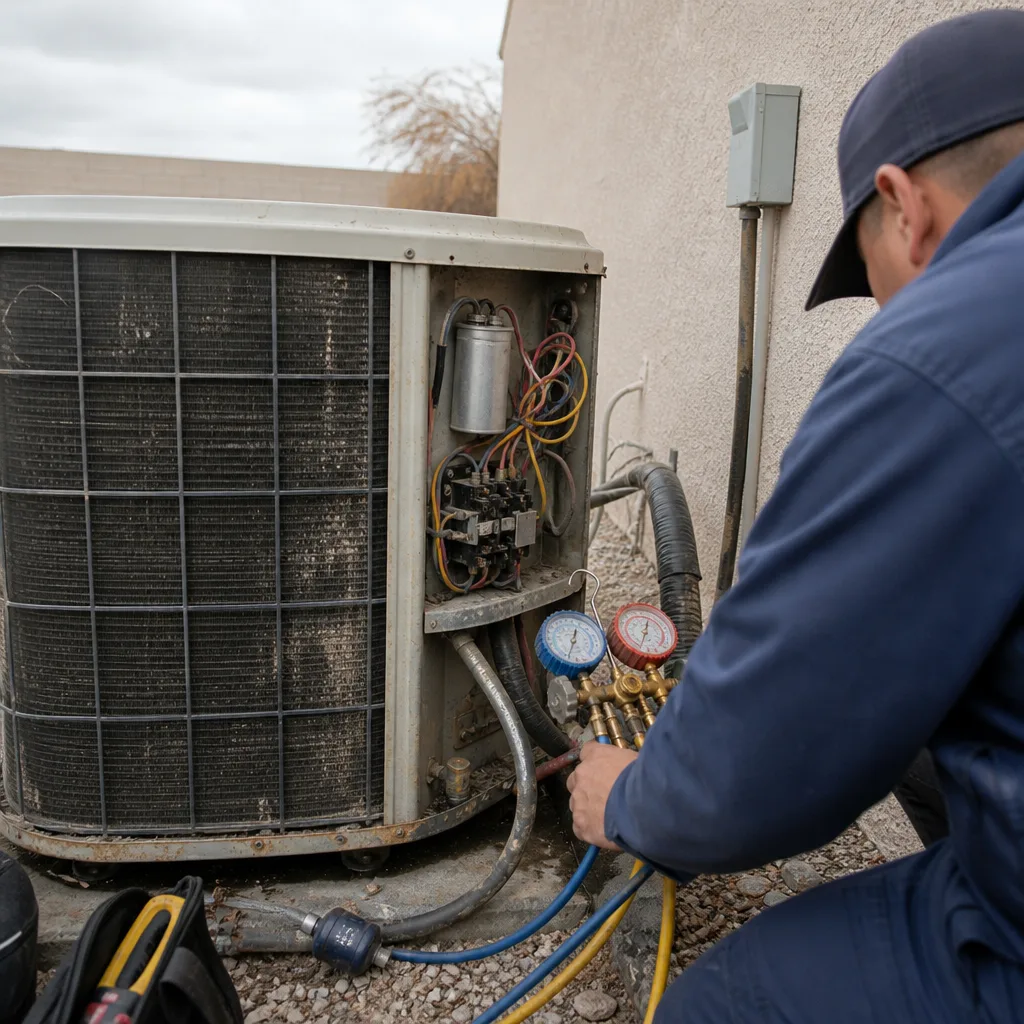 Before
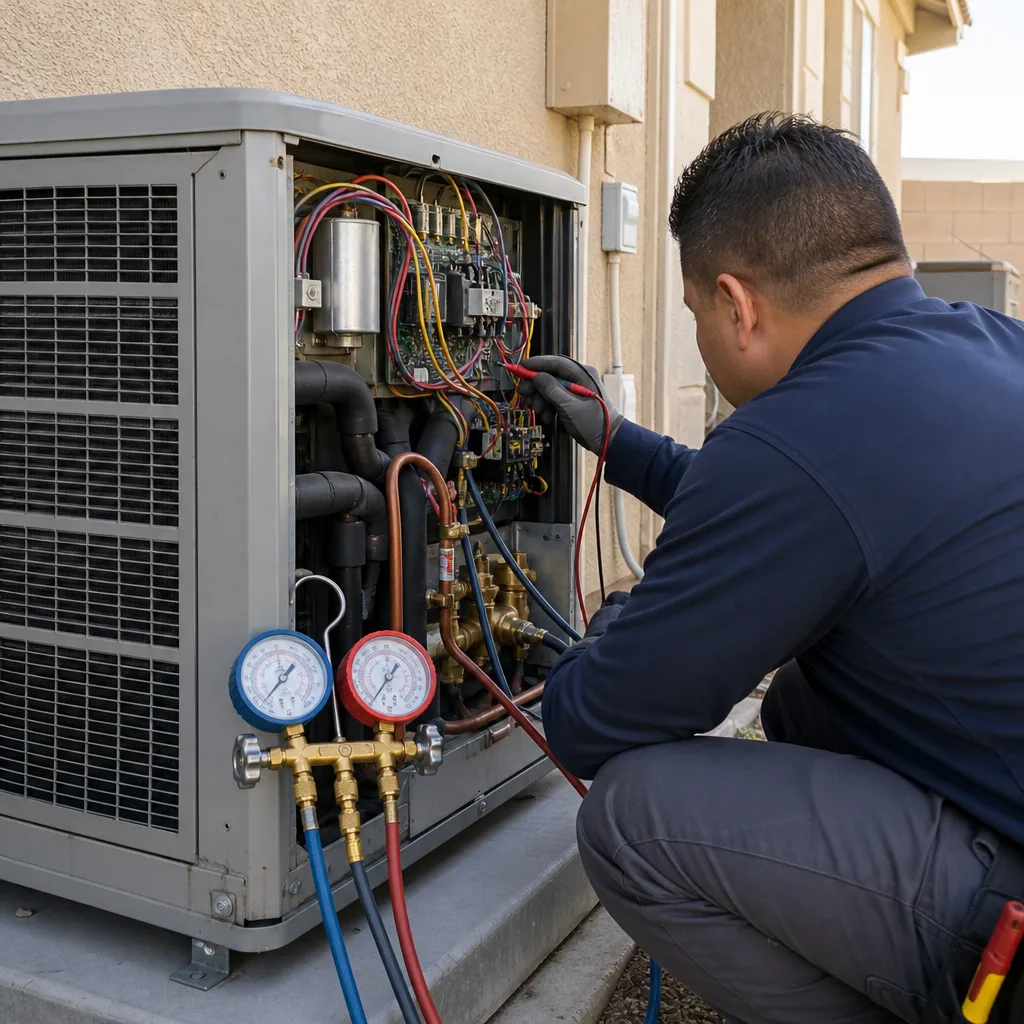 After
After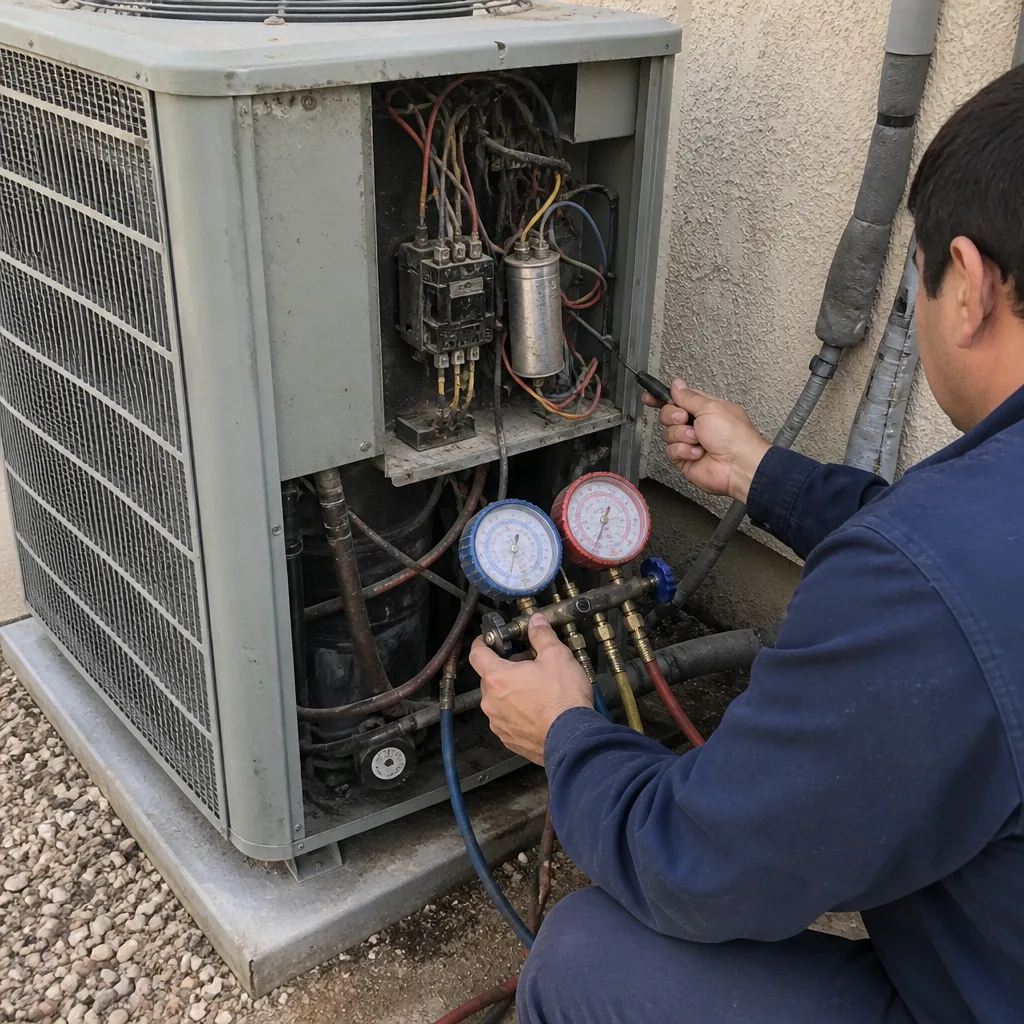 Before
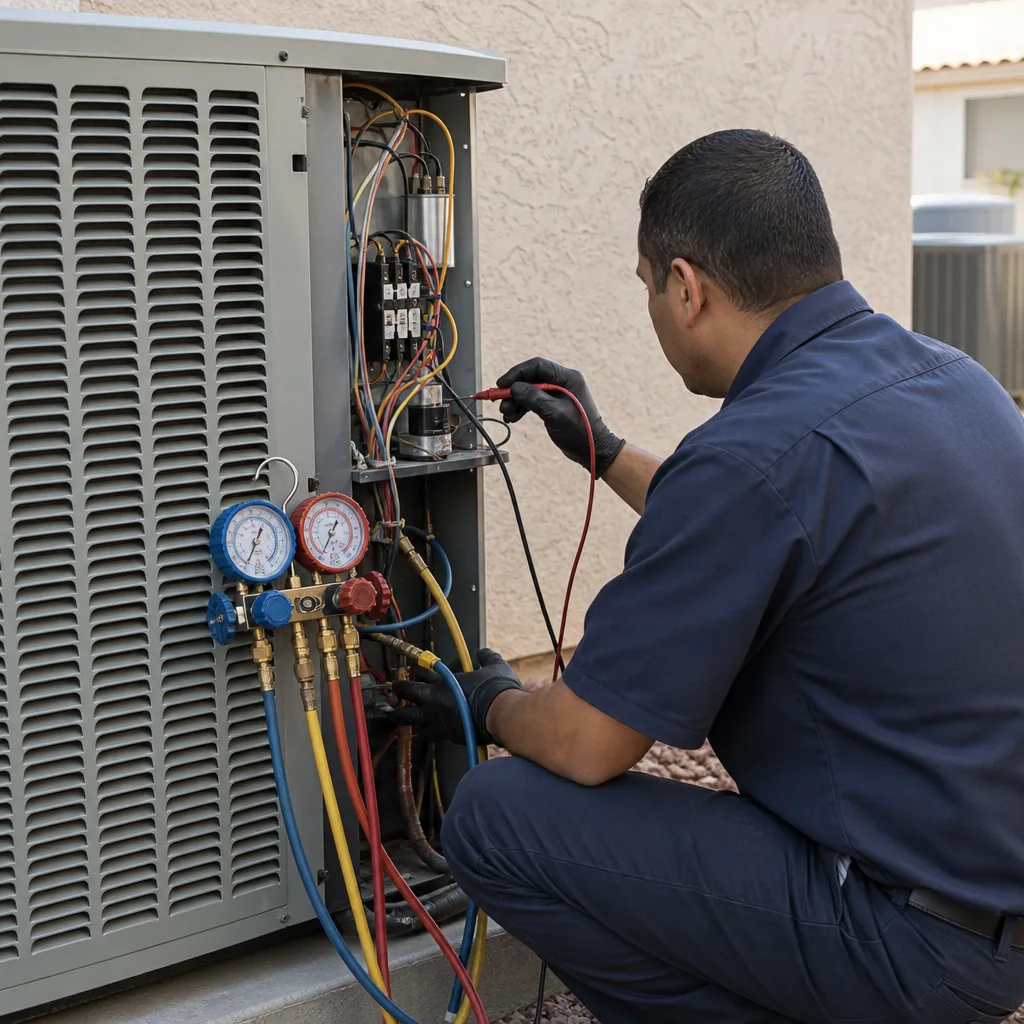 After
After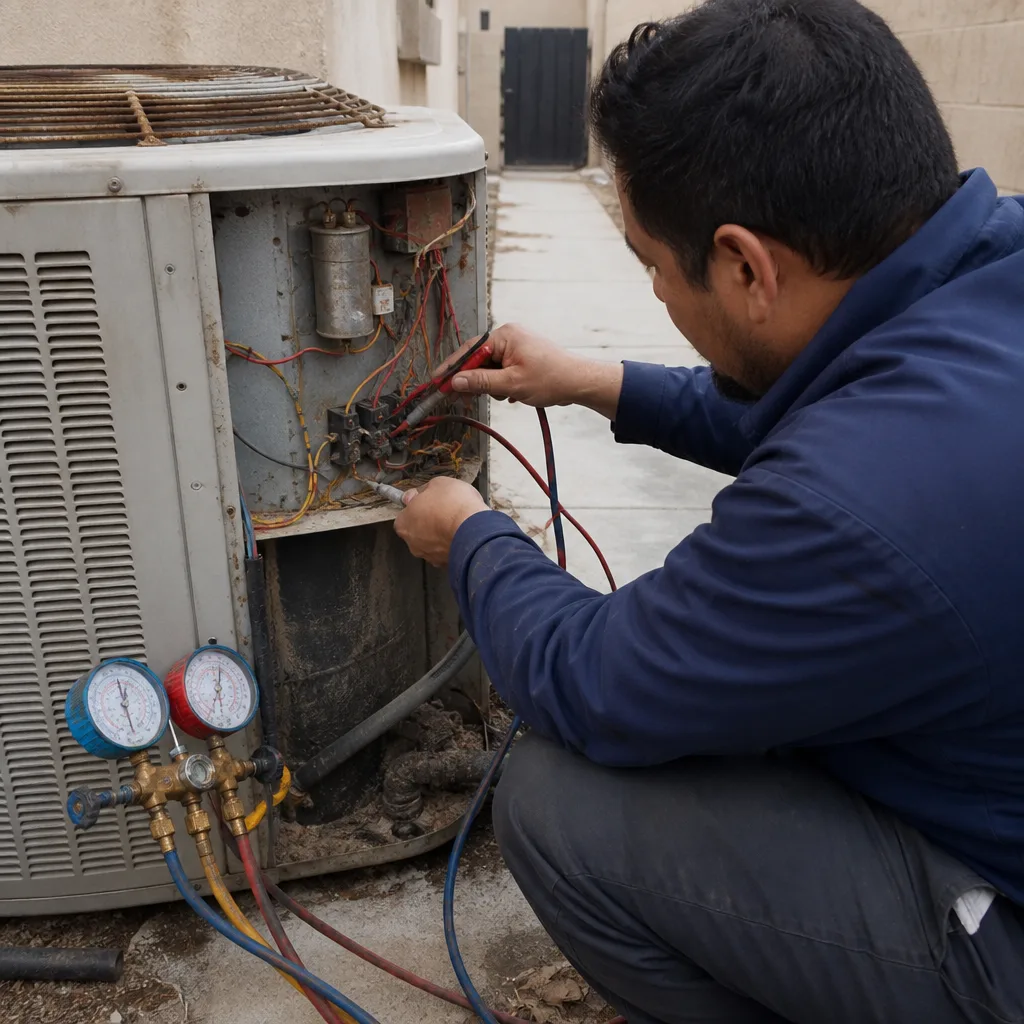 Before
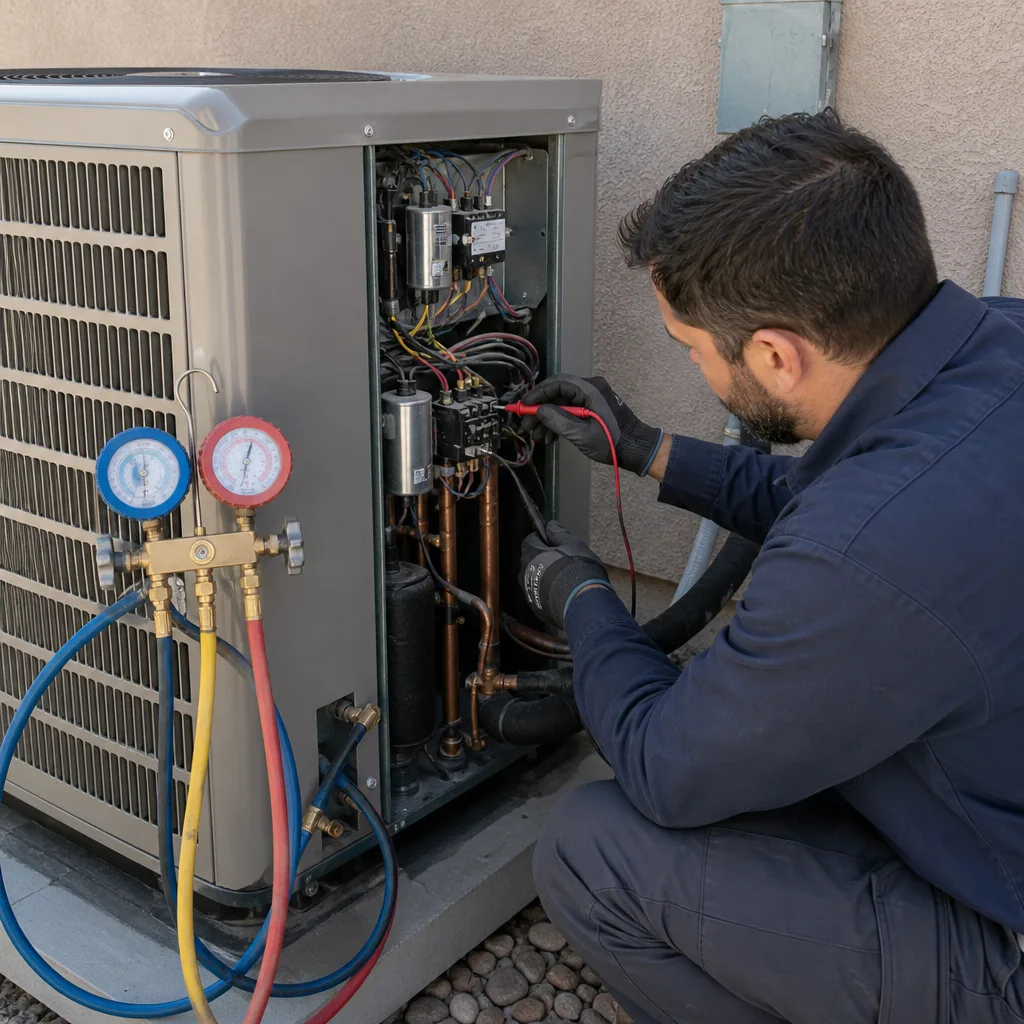 After
After