
Last updated October 16, 2026
 AC repair
 Furnace & heating
 Heat pumps
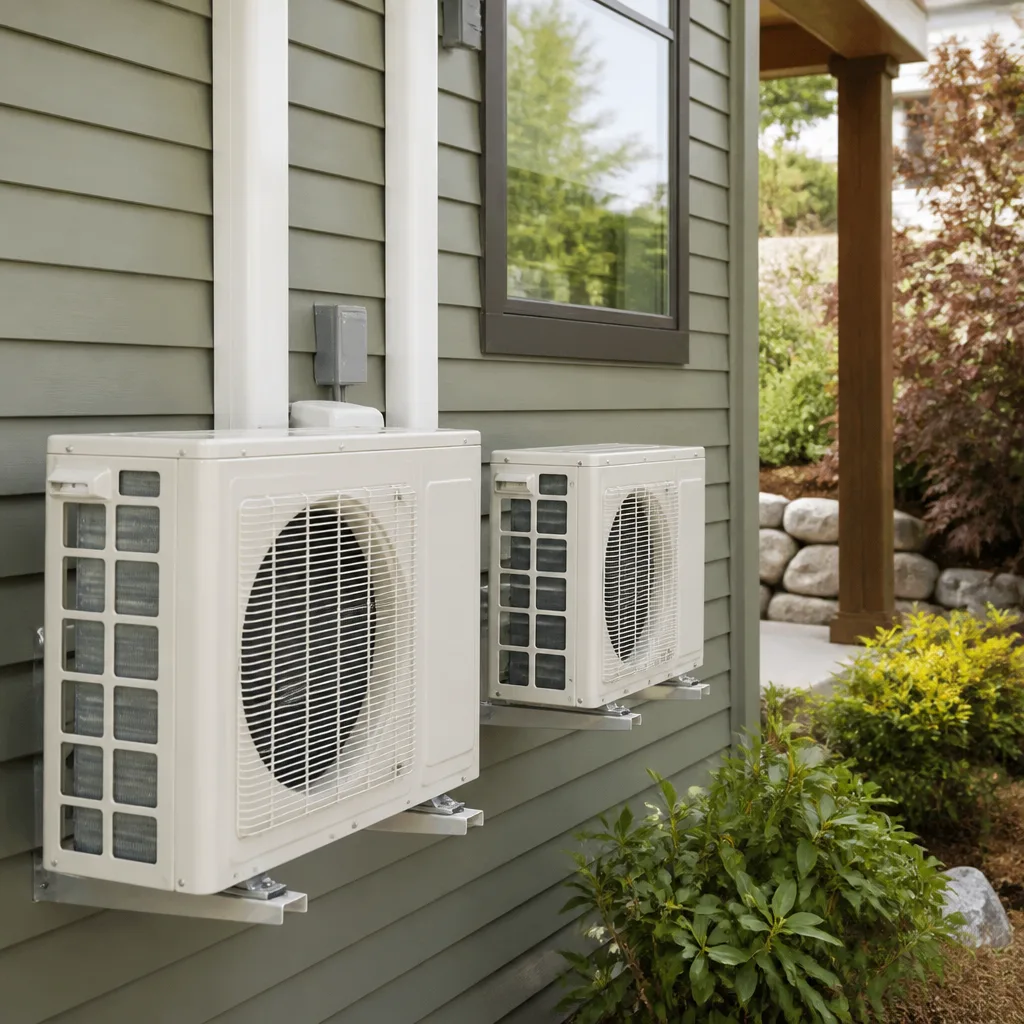 Ductless mini splits
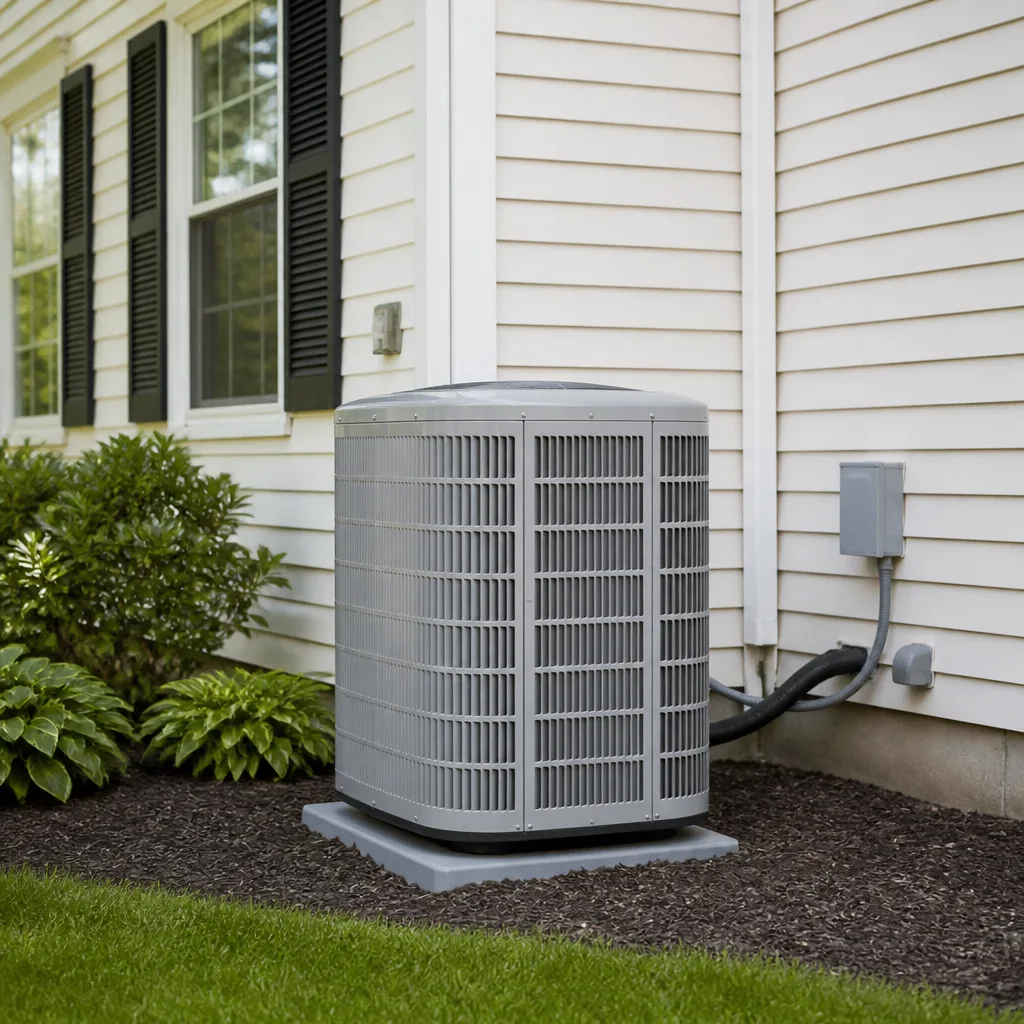 Carrier
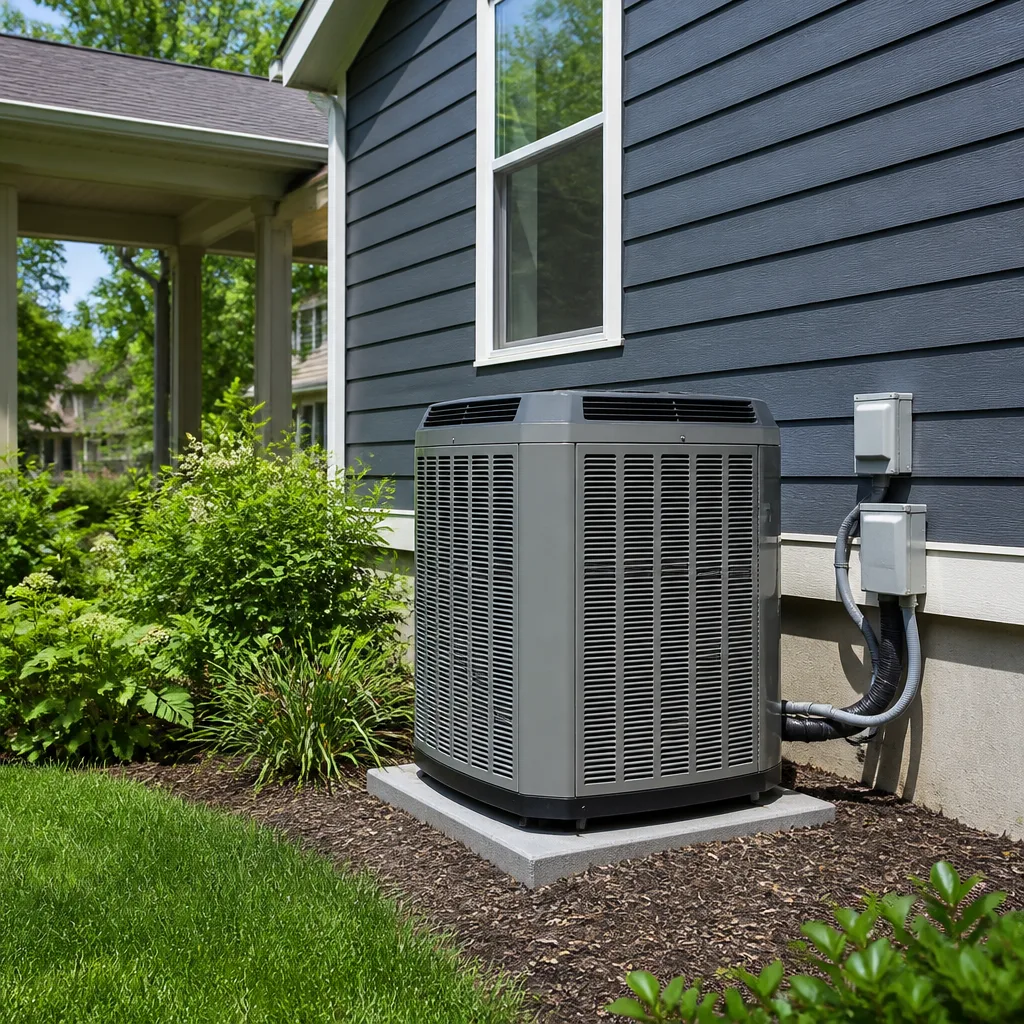 Trane
Trane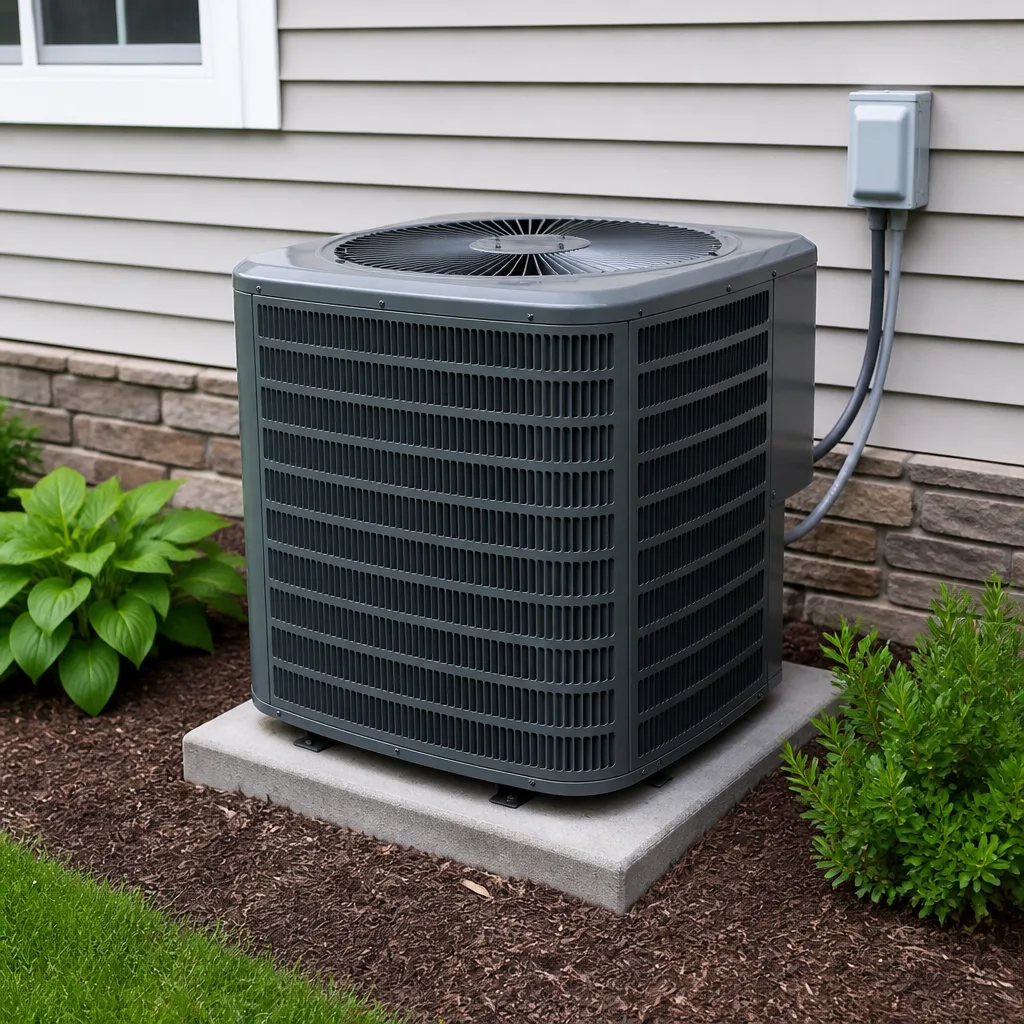 Goodman
Seasonal tune-up and full diagnostic on your Carrier, Trane, or Goodman system - readings shown to you before any repair is proposed
Diagnosis first, numbers second - you approve the repair price before a single part goes in.
Get your free estimateHVAC Cost Breakdown: The Las Vegas Homeowner’s Reference for 2026
The national average for a central AC replacement gets quoted around $5,000 to $7,000 over and over. In Las Vegas, the same job commonly runs $7,500 to $11,000. That gap is not markup greed, not in most cases. It’s explained almost entirely by three line items most estimates never separately disclose: the efficiency rating your home is legally required to meet, the labor market for certified techs in a city that runs 100+ degrees for four straight months, and the distributor markup baked into equipment costs here. This guide breaks every one of those down, so you can look at any Las Vegas HVAC estimate and know within minutes whether the number is fair or padded. For HVAC Permits, Codes & Inspections in NV: What You Need to Know, see our dedicated write-up.
Quick Answer
A full central AC replacement in Las Vegas typically costs $7,500 to $11,000 in 2026, depending on system size, SEER2 rating, and the condition of your ductwork and electrical panel. A capacitor replacement runs $180 to $350, and a mid-range furnace replacement (80% to 96% AFUE) lands between $4,200 and $7,800. These ranges assume a properly licensed contractor pulling permits; unpermitted side work changes the math and the risk.
Styles & brands we work with
Table of Contents
- Line-Item Cost Breakdown: The Three Jobs Every Homeowner Faces
- Why Las Vegas HVAC Costs More Than the National Average
- How to Read an HVAC Estimate for Hidden Markups
- The True Cost of a $49 Tune-Up Special
- When Financing Makes Sense and When It Doesn’t
- Repair or Replace: The 2026 Las Vegas Decision Framework
- SEER2 and the 2026 Efficiency Standards You’re Paying For
- Common Mistakes to Avoid
- When to Call a Professional
- Frequently Asked Questions
Line-Item Cost Breakdown: The Three Jobs Every Homeowner Faces
Most HVAC pricing pages give you a single number. A single number tells you nothing. Here are the three most common jobs in Las Vegas, broken into the actual line items you should see on any written estimate. These figures reflect what we see on our own estimates and on the quotes homeowners bring us from other companies across the valley, from Summerlin to Henderson to Centennial Hills.
Job 1: Capacitor Replacement ($180 – $350 total)
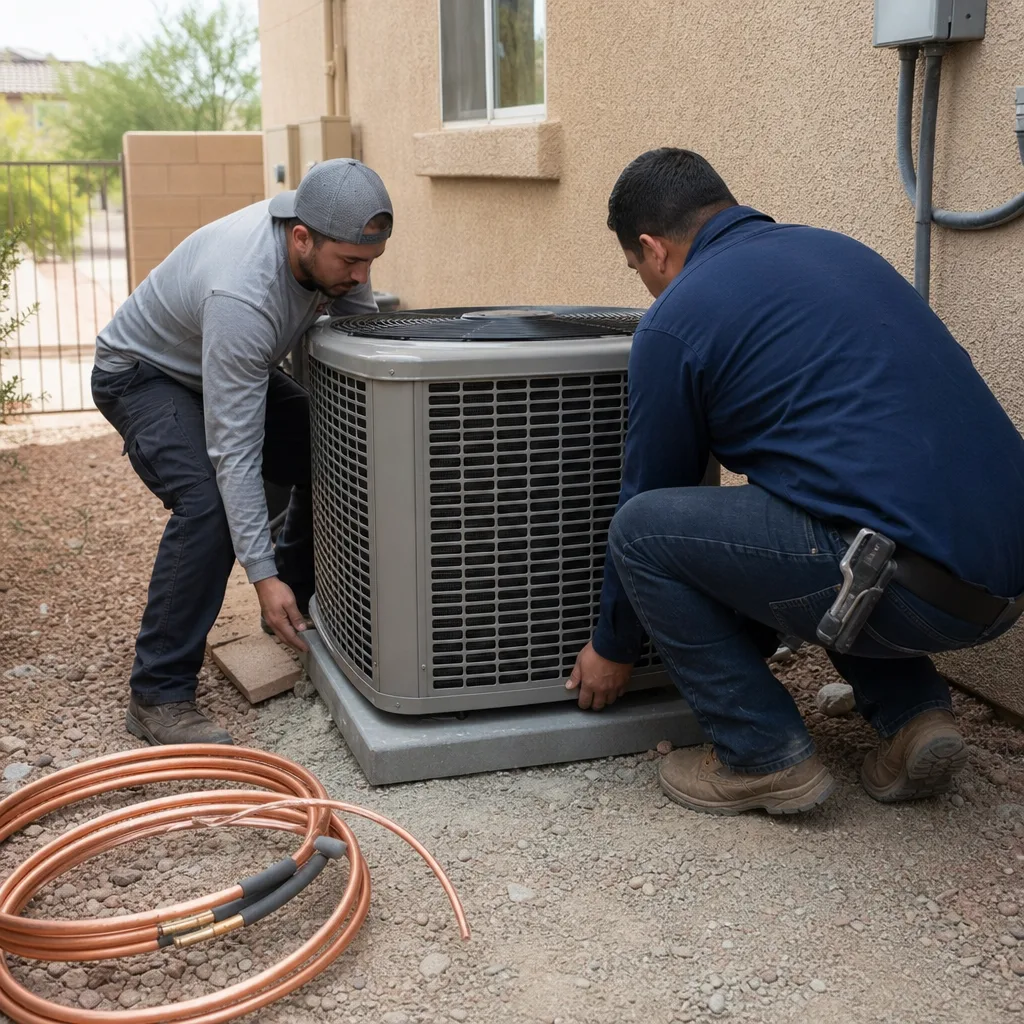
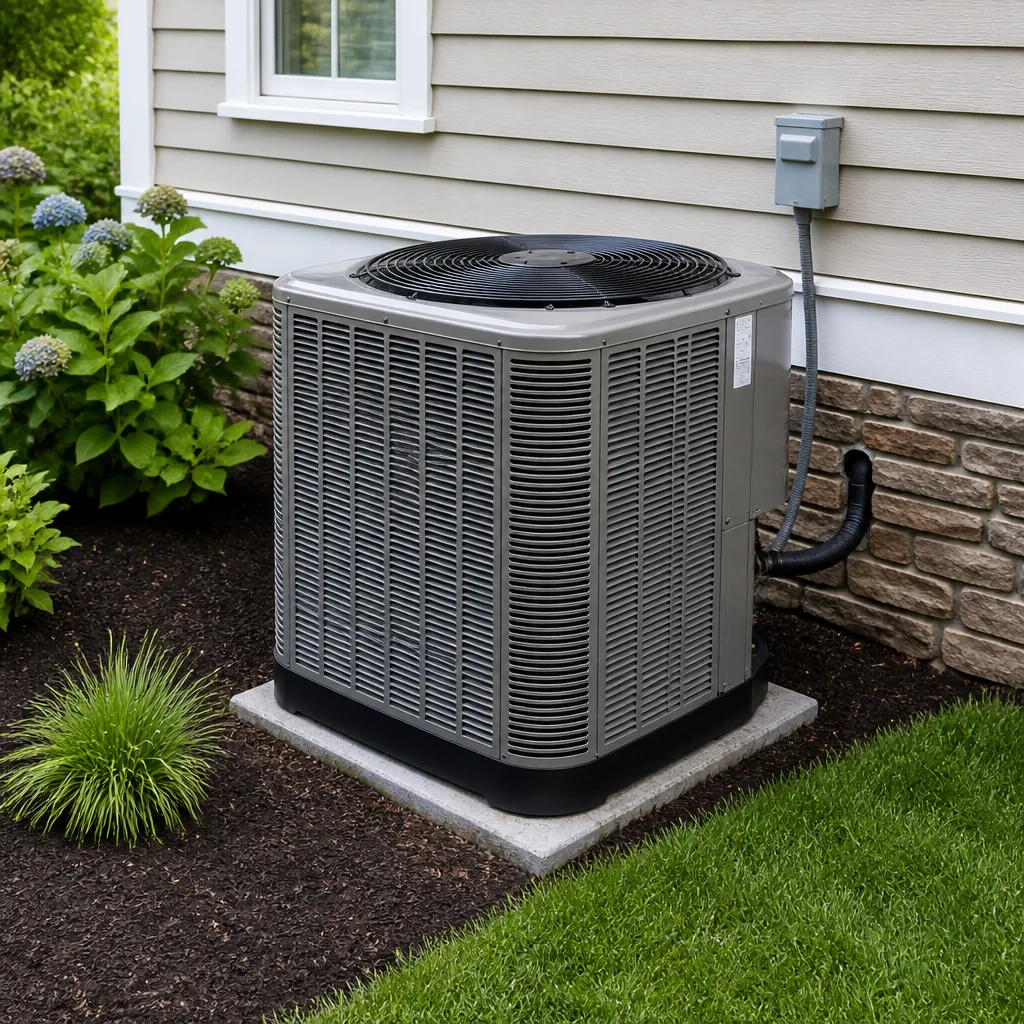
A capacitor is the small cylinder inside your outdoor condenser unit that gives the compressor and fan motor the electrical jolt they need to start. In Las Vegas heat, capacitors fail constantly. It is the single most common AC repair in Las Vegas.
- Capacitor part cost: $15 – $60. Yes, the part is cheap. The cost is in the diagnosis and the labor.
- Service call / diagnostic fee: $69 – $129. Most companies charge this whether or not you approve the repair. Some waive it if you proceed. We give you the price before work starts, and the diagnostic fee is part of the written quote.
- Labor: $75 – $150. This includes testing the unit, confirming the capacitor is the actual fault (not a symptom of a failing compressor), installing the replacement, and testing the complete cycle.
- Total realistic range: $180 – $350. If someone quotes you $500 for a capacitor, something is wrong. If someone quotes you $99, they’re almost certainly going to find something else to sell you while they’re there.
Every repair we do, including a capacitor, carries our 365-Day Done Right Promise. If that capacitor fails within the year, we come back and replace it at no charge. That promise is written on the invoice before the tech leaves your driveway.
Job 2: Full Central AC Replacement ($7,500 – $11,000 typical, 3-ton system)
This is the big one. Here’s what a properly scoped replacement estimate should look like line by line, using a 3-ton system as the baseline for a typical 1,600 to 2,000 square foot Las Vegas home.
| Line Item | Typical Las Vegas Range (2026) | What It Actually Covers |
|---|---|---|
| Condensing unit (outdoor) | $2,800 – $4,600 | The outdoor unit. Price driven by SEER2 rating and brand (Carrier, Trane, Lennox, Goodman, Rheem, York, Daikin, Bryant, American Standard). |
| Evaporator coil (indoor) | $900 – $1,600 | The indoor coil that pairs with the outdoor unit. Must be matched for SEER2 compliance. |
| Furnace or air handler | $1,200 – $2,500 | If your existing furnace is over 12 years old, it usually makes sense to replace the blower section now rather than later. |
| Refrigerant line set | $300 – $700 | New copper lines. Reusing old lines on a new R-410A or A2L system invites leaks and compressor failure. |
| Electrical disconnect, whip, surge protection | $200 – $450 | Code-required disconnect box and wiring. Surge protection is optional but worth it in a lightning-prone valley. |
| Condenser pad | $75 – $150 | Level composite pad that won’t sink into our caliche soil. |
| Ductwork modifications | $300 – $1,500 | Transition fittings, plenum adjustments. Full duct replacement is separate. |
| Permit and inspection | $150 – $400 | Southern Nevada code requires a permit for equipment replacement. If a quote has no permit line, walk away. |
| Labor (crew of 2, one day) | $1,500 – $2,800 | Removal of old equipment, installation, brazing, evacuation, charging, start-up testing, clean-up. |
| Disposal of old equipment | $100 – $250 | Reclaiming refrigerant and hauling old units. Legitimate cost. Some companies bury it in labor; that’s fine as long as it appears somewhere. |
We recommend getting three written estimates for a replacement. Compare them line by line, not just the bottom number. A quote that’s $2,000 lower is usually missing something: the permit, the line set, the furnace section, or the labor to actually do the job right. The written price we hand you before any work begins is the price you pay. It does not change at the door. That’s a core plank of the Kingswell Way, not a “policy” we apply when convenient.
Job 3: Furnace Replacement ($4,200 – $7,800 typical, 80% or 96% AFUE)
Yes, Las Vegas homes have furnaces. That furnace has been running cold mornings since November and will keep running through March. If yours is 15 years old and the heat exchanger is cracked, replacement is not optional; it’s a carbon monoxide question.
- 80% AFUE furnace (standard efficiency): $4,200 – $5,800 installed. These are simpler installations with metal flue venting already in place. If your home was built before 2005, this is likely what you’re replacing.
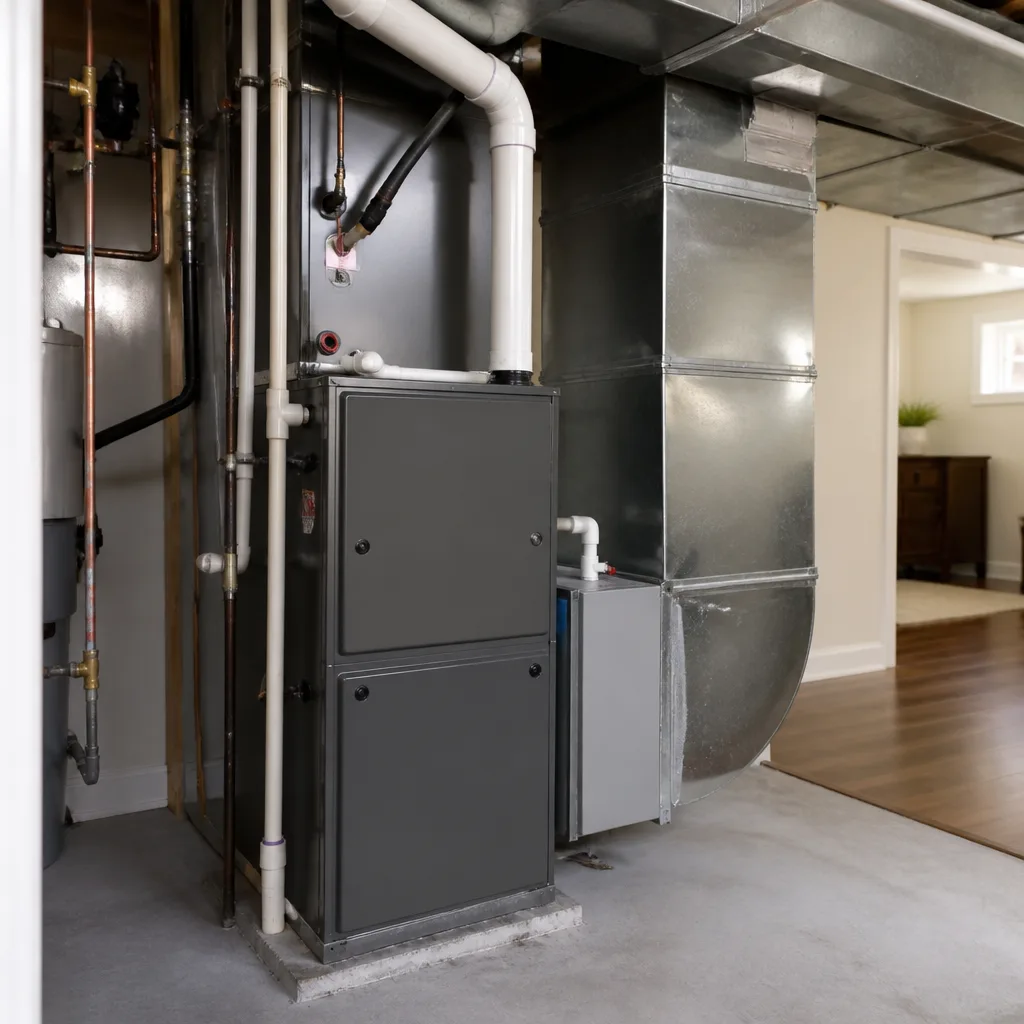
- 96% AFUE furnace (high efficiency, condensing): $5,800 – $7,800 installed. These require PVC venting, a condensate drain, and sometimes additional gas-line work. The efficiency gain on a Las Vegas winter is real but modest compared to a Minneapolis winter. If your furnace runs 300 hours a year, the payback on the higher-efficiency unit stretches past a decade. We’ll tell you that plainly before you spend the extra money.
- Heat exchanger replacement (instead of full furnace replacement): $1,500 – $2,800. This only makes sense if the rest of the furnace is under 8 years old and otherwise clean.
Every furnace repair in Las Vegas we perform carries the same 365-Day Done Right Promise. A heat exchanger replacement is not a repair we’ll do without showing you the crack in the metal, on camera, before you decide anything.
Why Las Vegas HVAC Costs More Than the National Average
The three cost drivers most national articles miss have nothing to do with a contractor’s mood. They’re structural to this valley.
- SEER2 minimums changed what “builder-grade” means. Since January 2023, new AC equipment sold in the Southwest must meet SEER2 efficiency standards that are roughly one full SEER higher than the old system under the same name. A “14 SEER” unit in 2022 is a “13.4 SEER2” unit in 2026. To legally sell and install a unit in Clark County today, the equipment starts at a higher tier, which costs more at the distributor. We don’t get a loophole, and neither does anyone else.
- Southern Nevada labor is not cheap, and it shouldn’t be. A licensed, background-checked, continuously trained HVAC technician who can safely work on a 400-volt condenser in July heat earns a real wage here. That drives labor rates up. The companies paying bottom-of-market wages are the ones with high turnover, missed appointments, and a different tech on every return visit. You’re paying either way: once in the quote, or later in the callbacks.
- Distributor competition is thin. Las Vegas has a handful of major HVAC equipment distributors serving the entire valley. The contractor has limited negotiating room on equipment. That’s not something most homeowners ever hear about, but it’s why equipment prices here track closer to list price than in Phoenix or Dallas.
Add a fourth factor, and call it the Las Vegas climate tax: units here run 1,400 to 1,800 hours a year, double the national average. The strain puts more wear on the compressor, the capacitor, the fan motor. A higher-rated unit isn’t an upsell here. It’s what the house actually needs to survive a Summerlin August without a $500 repair call every other week.
How to Read an HVAC Estimate for Hidden Markups
You can read an HVAC estimate the way a contractor reads it. Look for these five line items and ask these questions. Most padding hides in the spaces between line items, not in the numbers themselves.
- Refrigerant charges. A new system should come charged with refrigerant as part of the installation. If there’s a separate line item for “refrigerant top-up” on a replacement quote, ask why. If the answer is “the old system leaked,” that’s a legitimate diagnosis, but a full replacement should not bill refrigerant separately. The old refrigerant must be reclaimed and is the contractor’s responsibility to handle under EPA rules.
- Disposal fees. Legitimate, but they should be explicit. “Haul-away” at $150 is reasonable. “Environmental disposal fee” at $400 is padding. And no, there is no city of Las Vegas disposal tax on condenser units.
- “System efficiency packages.” This is where the upselling lives. A package that includes a “hard start kit” for $200, a “surge protector” for $350, and a “5-year labor warranty upgrade” for $600 may or may not be worth it. Ask what each item does and what happens if you decline. If the answer is vague, decline.
- Line item called “miscellaneous materials.” Over $150, ask for the list. If they can’t list it, that’s the markup line. The Kingswell Way is that the written price is the price before work starts. If you don’t hand the customer a line-item estimate, you’re not doing it their way.
- The permit line. If the permit line is missing, the job is unpermitted. Clark County requires a mechanical permit for equipment replacement. An unpermitted install can void the manufacturer’s warranty and becomes a title issue if you sell the home. If a quote is $1,500 cheaper than everyone else and has no permit, the savings isn’t real.
The True Cost of a $49 Tune-Up Special
The $49 or $69 tune-up coupon is a Las Vegas staple. It is also a door-opener. Here’s what happens, step by step, so you know what you’re actually buying and what you’re actually paying by the end of the visit.
What the $49 visit covers
- Visual inspection of the condenser and evaporator
- Checking the thermostat reading
- Measuring the temperature drop across the coil (maybe)
- Washing the outdoor coil with a hose (maybe)
- Checking the capacitor and contactor (maybe)
- A list of recommended work, often totaling $800 to $2,400
What a properly scoped maintenance visit covers (and what it should cost)
- Capacitor test under load, not just a visual glance – $200 to $300 when done right as a paid service
- Full coil cleaning, including fin straightening
- Refrigerant pressure check against the manufacturer’s chart
- Drain line clearing and treatment
- Electrical connection torque check at the disconnect and the unit
- Written report of actual measurements, not a verbal summary
- The price is a flat rate, agreed before the work, and the tech is not paid commission on what they sell you
The $49 special is not a scam, exactly. It’s a low-margin entry point where the company recovers its cost by selling something during the visit. Some companies are honest about this. The tell is the tech’s behavior: if the visit lasts 20 minutes and ends with a quote for a full replacement, you got a sales call, not a tune-up. Our tune-ups are priced flat, written down first, and our technicians are paid on the hour, not on the sale.
When Financing Makes Sense and When It Doesn’t
When the financing offers a low monthly payment without an honest look at the total cost over the full term, it’s a bad deal. When it covers a necessary replacement at a lower interest rate than you can earn by keeping your cash invested, it’s a good deal. Here’s the math for a Las Vegas homeowner in 2026.
18-month same-as-cash
This is the offer you’ll hear most often. Deferred interest means that if the balance is paid in full within 18 months, you pay no interest. If it’s not, interest accrues retroactively from day one, typically at 26% to 29% APR. On a $9,000 replacement, a single missed payment or a balance lingering past month 18 can add $2,500 to $4,000 in interest. The financing company is betting on you slipping up. We tell customers this every single time. The offer is fine if, and only if, you have the cash to pay it off in month 17 and the discipline to actually do it.
Repair-and-replace-later for systems 10+ years old
This is the strategy most homeowners arrive at naturally, and sometimes it’s correct. But on a 10+ year old system in Las Vegas, the repair costs stack. A capacitor here, a fan motor there, a refrigerant leak that takes two visits to find. $600 in April, $400 in July, another $500 the following spring. By month 14, you’ve spent $1,500 on a system that’s now worth scrap value. At that point, the $9,000 replacement would have been the cheaper move, financed at 7% to 9% through a credit union or a decent contractor finance program, paid over 36 to 60 months. The math isn’t about payment size. It’s about total cost to stay cool over the next five years. When a repair on a 12-year-old system exceeds $1,200, especially if the compressor or coil is involved, the replacement conversation is overdue.
Repair or Replace: The 2026 Las Vegas Decision Framework
The standard rule of thumb is the $5,000 rule: multiply the repair cost by the age of the system, and if it exceeds $5,000, replace. That rule is fine. It’s also too simple for Las Vegas. Here’s the framework we walk customers through when they ask “should I repair or replace?”
- How old is the compressor? A compressor failure on a system under 7 years old may be worth repairing under warranty. Over 10 years old, especially if the unit has been running 1,500 hours a year in our heat, the compressor is end-of-life. Replace.
- What’s the SEER2 rating of the current unit? If you’re running a 10 SEER system from 2008, you’re paying roughly 30% to 40% more per month to run it than you would with a new 15 or 16 SEER2 unit. That’s $40 to $90 a month in summer, real money, and it funds the replacement’s payback.
- Has the system already had major repairs this year? One repair is a repair. Two repairs in one summer is a pattern. The third is a decision.
- What’s the condition of the ductwork? If the ducts are 25 years old and leaking 20% of the air into the attic, a new outdoor unit won’t fix the comfort problem. Sometimes the right investment is ducts, not equipment.
- What does the written guarantee cover? This is where most people stop reading and trust the handshake. We don’t do handshake guarantees. Our AC installation in Las Vegas comes with a written price and a written guarantee, same as every repair. If a repair fails within 365 days, we return at no charge. That’s in writing, before the tech leaves.
SEER2 and the 2026 Efficiency Standards You’re Paying For
SEER2 is not a marketing term. It’s the Department of Energy’s updated efficiency testing standard that went into effect January 1, 2023, and it changed what “14 SEER affordable unit” means for everyone in Clark County. The old SEER test measured efficiency under conditions that were gentler than real-world operation. SEER2 uses more accurate external static pressure conditions, which means the same unit now scores lower on the label. A unit labeled “14 SEER” in 2020 is legally the same physical machine as a “13.4 SEER2” in 2026.
The practical consequence: in the Southwest region (which includes all of Arizona, California, Nevada, and New Mexico), new residential AC installations must meet a minimum of 14.3 SEER2 for units under 45,000 BTU, and 13.8 SEER2 for units over 45,000 BTU. Those thresholds are higher than the old minimums, which means the entry-level equipment price you’re quoted is automatically more than it was in 2021. There is no “cheap legal unit” loophole. A contractor offering a price dramatically below market is either installing older stock, skipping permits, or planning to make the money back later. We’ve seen all three in this valley.
Seasonal HVAC Care for Las Vegas: Year-Round Homeowner’s Guide walks through what we recommend for most Las Vegas homes: a 15 to 17 SEER2 unit, paired with a properly sized evaporator coil, and a thermostat that dehumidifies during monsoon season. The efficiency gain from a 14.3 to a 16 SEER2 unit on a 1,800 square foot home running 1,500 hours a year is roughly $25 to $55 a month in summer, and the incremental cost is usually $800 to $1,500. Over the 12 to 15 year life of the unit, that’s the difference between paying for electricity and paying for equipment.
Common Mistakes to Avoid
- Taking the lowest quote because it’s the lowest. A quote that’s $2,000 under the field average is usually missing the permit, the line set, the labor, or the honesty. Somewhere, the money comes out. Usually on the day of install, in a change order.
- Replacing the outdoor unit only. A new outdoor condenser paired with a 15-year-old indoor coil is a mismatch that kills efficiency and voids warranties. This is a classic low-quote play in Las Vegas. The coil must be matched to the condenser.
- Skipping the permit because it saves $300. An unpermitted install is an uninsurable, unwarrantied liability. When you sell the house, it becomes a negotiation problem. The $300 isn’t savings.
- Ignoring the written guarantee because “the tech seemed nice.” In our industry, the nicest techs often work for the shadiest companies. The written guarantee is what protects you. The Kingswell Way exists because handshake promises fail.
- Financing without reading the deferred-interest terms. If you don’t understand what happens at month 19, the financing company will explain it to you in a bill. Read the terms before you sign. Ask the contractor to read them to you. A good contractor will.
- Running an oversized unit because “bigger is better.” An oversized AC short-cycles, doesn’t remove humidity, and wears out faster. A properly sized unit from a company that actually does a load calculation (not a rule-of-thumb guess) will keep you more comfortable and last longer. This is one of the quietest ways to waste $1,500.
- Paying cash to an unlicensed side-gigger. Las Vegas is full of them, especially on Facebook Marketplace and Nextdoor. The installation looks fine for three months. Then the capacitor blows, the “contractor” is gone, and you’re paying us to redo the work. Licensed, insured, background-checked. It matters.
When to Call a Professional
If your AC is blowing warm air in Las Vegas between June and September, call a professional today. If you hear a grinding, banging, or screeching sound from the condenser, call now. If your furnace smells like gas or you see a yellow-orange flame instead of a steady blue one, shut it down and call a professional from outside the house. High-voltage electrical components, refrigerant, and carbon monoxide are not DIY territory. The cold harbor in our name is a roadside shelter where travelers waited out the weather. Comfort in any season is the job. Cold Harbour Heating and Air Las Vegas offers free estimates in Las Vegas, and our technicians are trained on nine major residential brands including Carrier, Trane, Lennox, Goodman, Rheem, York, Daikin, Bryant, and American Standard. Call (725) 726-3813.
Frequently Asked Questions
A full central AC replacement in Las Vegas typically costs between $7,500 and $11,000, with furnaces running $4,200 to $7,800 depending on efficiency and installation complexity. The final number depends on system size, SEER2 rating, ductwork condition, and whether you’re replacing the furnace at the same time. Call (725) 726-3813 for a free written estimate; we give the price before work starts, and that price does not change at the door.
No, a proper AC installation is not a same-day job. We need to perform a load calculation, confirm the equipment match, pull the permit, and schedule a trained two-person crew. What we do promise is a written fixed price and a set installation date. That’s the Kingswell Way: say the price before the work, show up in the window given.
Las Vegas HVAC pricing runs higher primarily because of SEER2 efficiency minimums that raise the entry-level equipment cost, a labor market where certified technicians command real wages, and limited local distributor competition that keeps equipment prices closer to list. Add in a climate where units run double the national average, and the equipment must be built to survive that load.
Replace if your system is over 10 years old, the compressor or coil has failed, or you’ve had two or more major repairs in one season. Repair if the system is under 7 years old and the part is under warranty. The honest answer depends on the system’s age, condition, and repair history, which is why we’ll show you the measurements before we recommend anything.
Yes. Our technicians are trained to service and install nine major residential brands, including Carrier, Trane, Lennox, Goodman, Rheem, York, Daikin, Bryant, and American Standard. The tech who shows up can work on whatever system is already in your home. We do not push one brand over another when your existing equipment is still viable.
Every repair we perform is guaranteed in writing for 365 days. If that repair fails within a full year, we come back and make it right at no charge. That guarantee is written down before the technician leaves, not after. It’s our standard, not an upgrade.
The Bottom Line
Las Vegas HVAC pricing is higher than the national average for reasons that are real: stricter efficiency standards, a demanding climate, and a labor market that pays for competence. None of those reasons justify a quote padded with phantom fees, missing permits, or sales packages nobody can explain. The homeowners who get the best outcomes are the ones who read the line items, ask what the guarantee covers in writing, and don’t take the cheapest number at face value. You can find more guides & resources on our blog. You can’t control the climate. You can control what you pay to stay comfortable in it. Cold Harbour Heating and Air Las Vegas gives you a written price before any work begins, and every repair carries our 365-Day Done Right Promise. Call (725) 726-3813 and get an estimate you can hold us to.
Written by Victor Mancini, Owner at Cold Harbour Heating and Air Las Vegas, serving Las Vegas since 2003.
See the difference
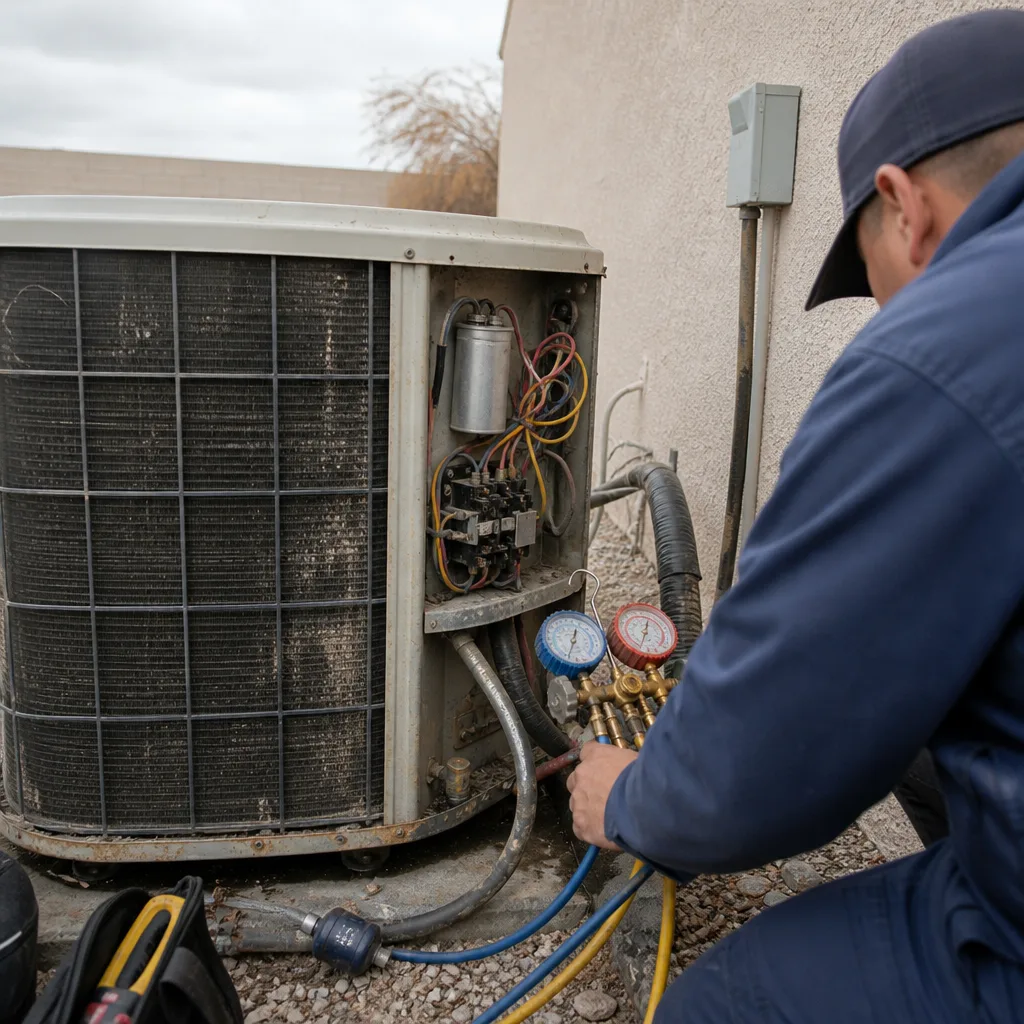 Before
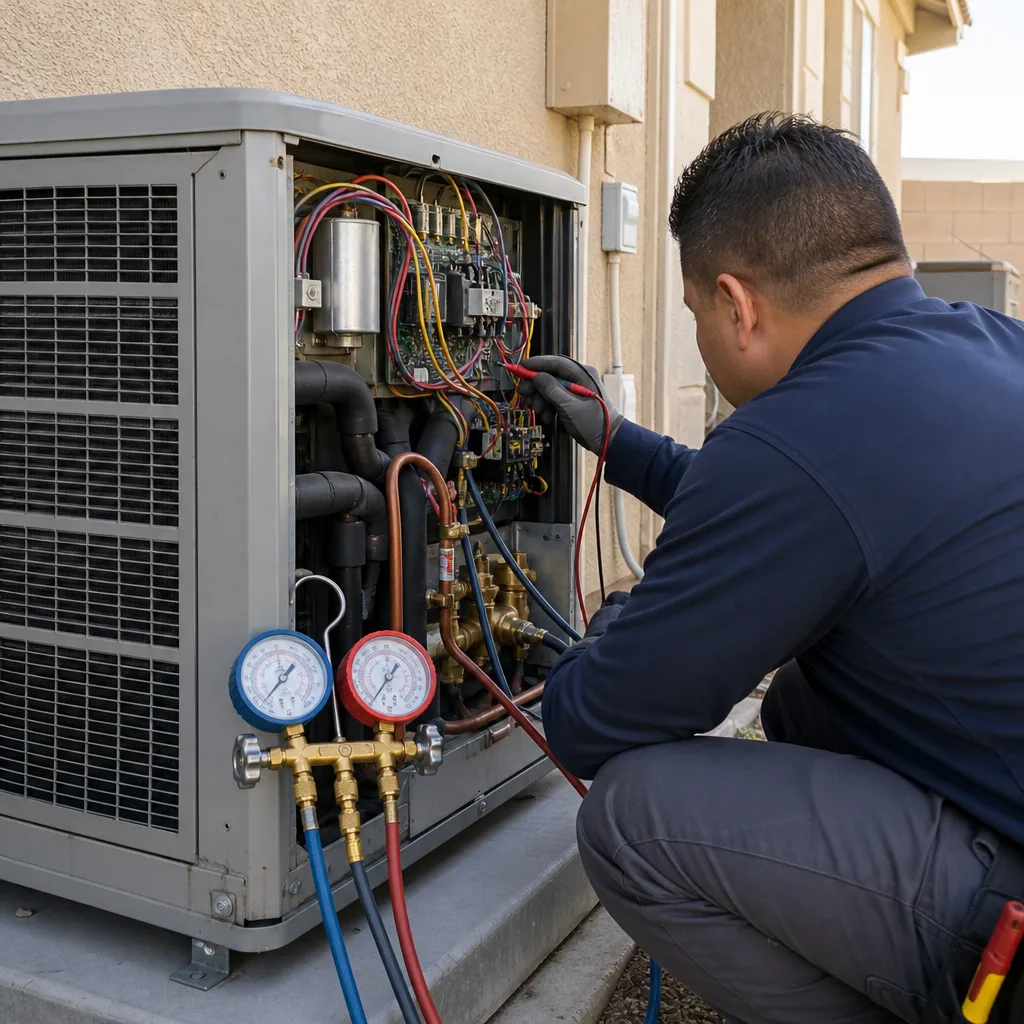 After
After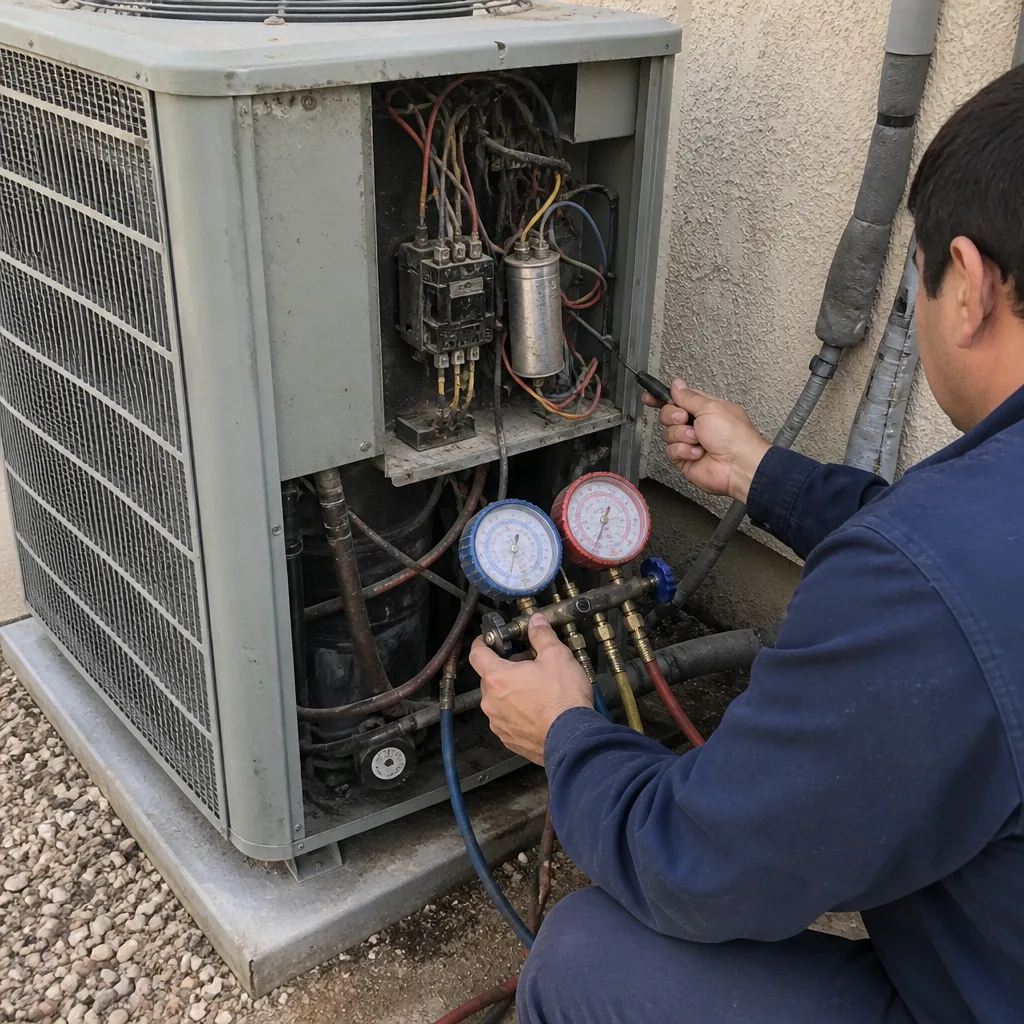 Before
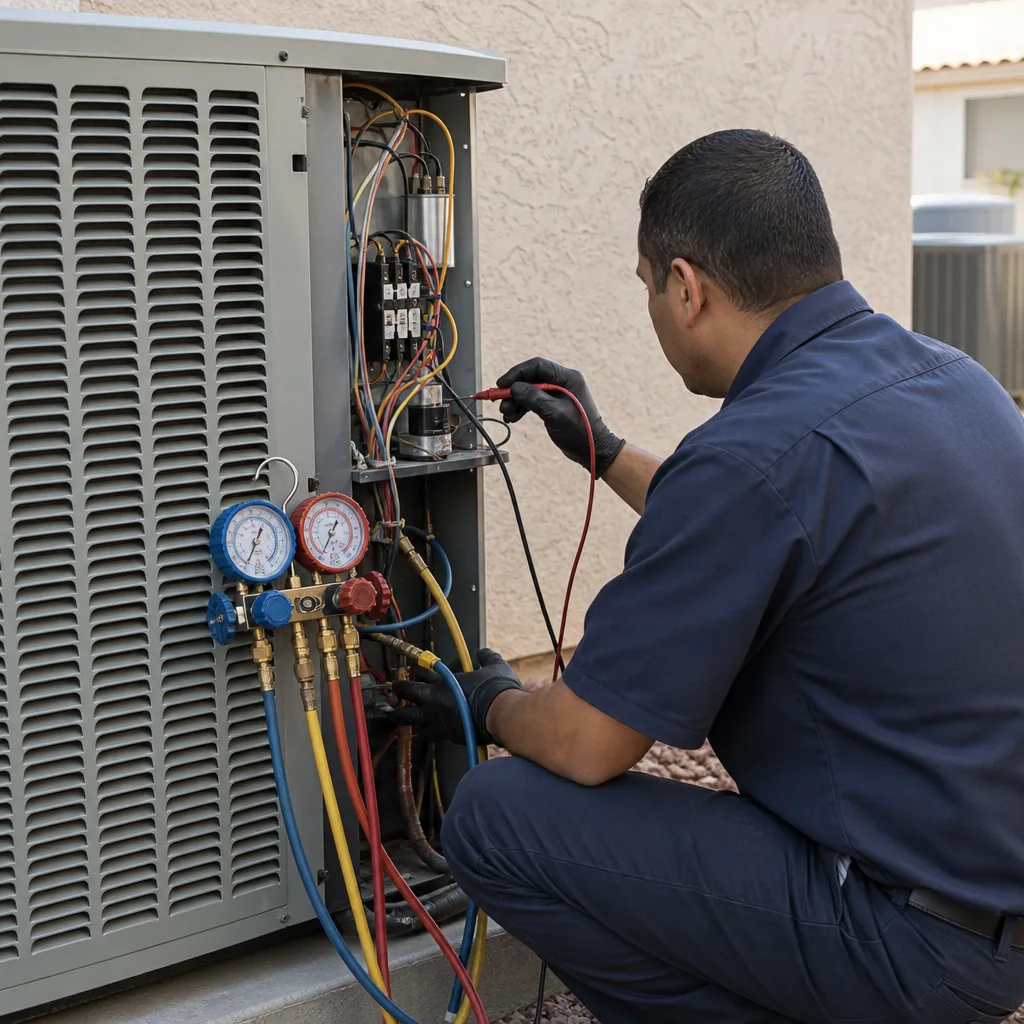 After
After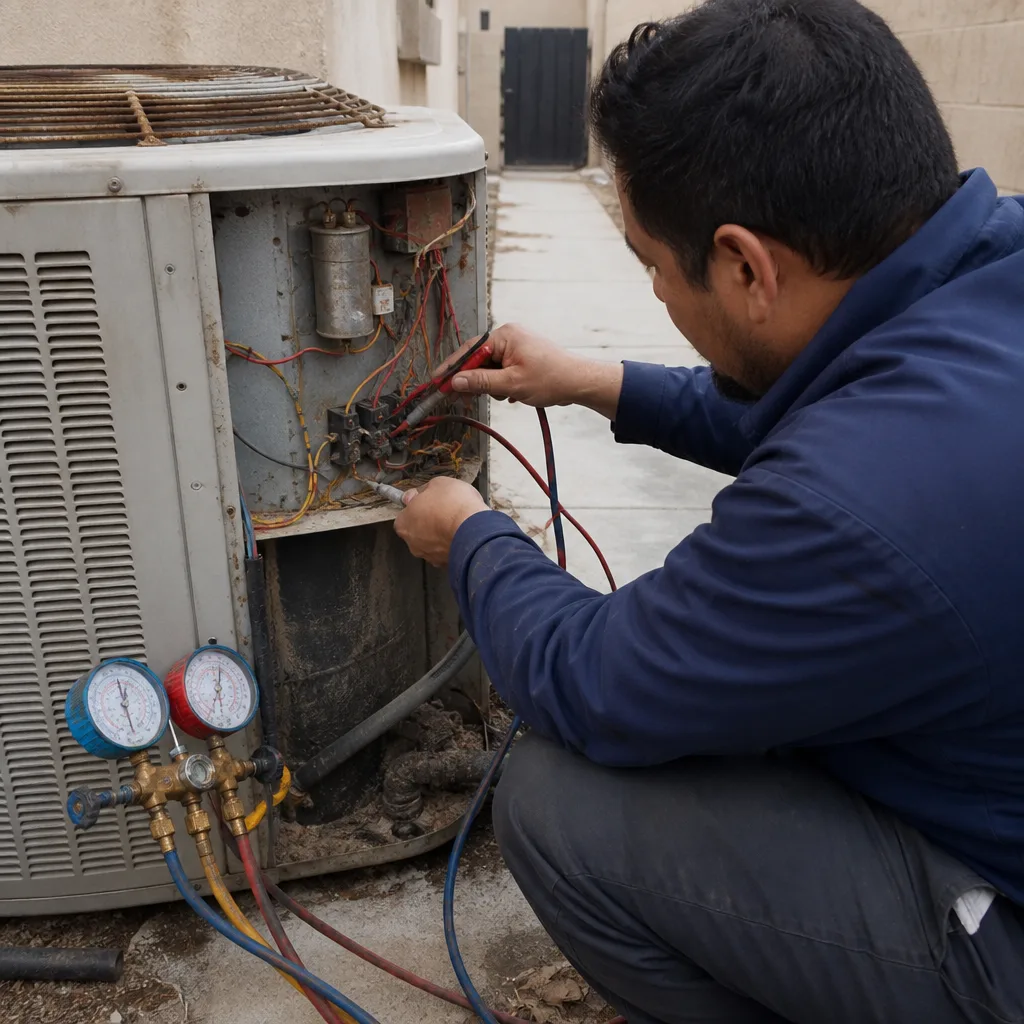 Before
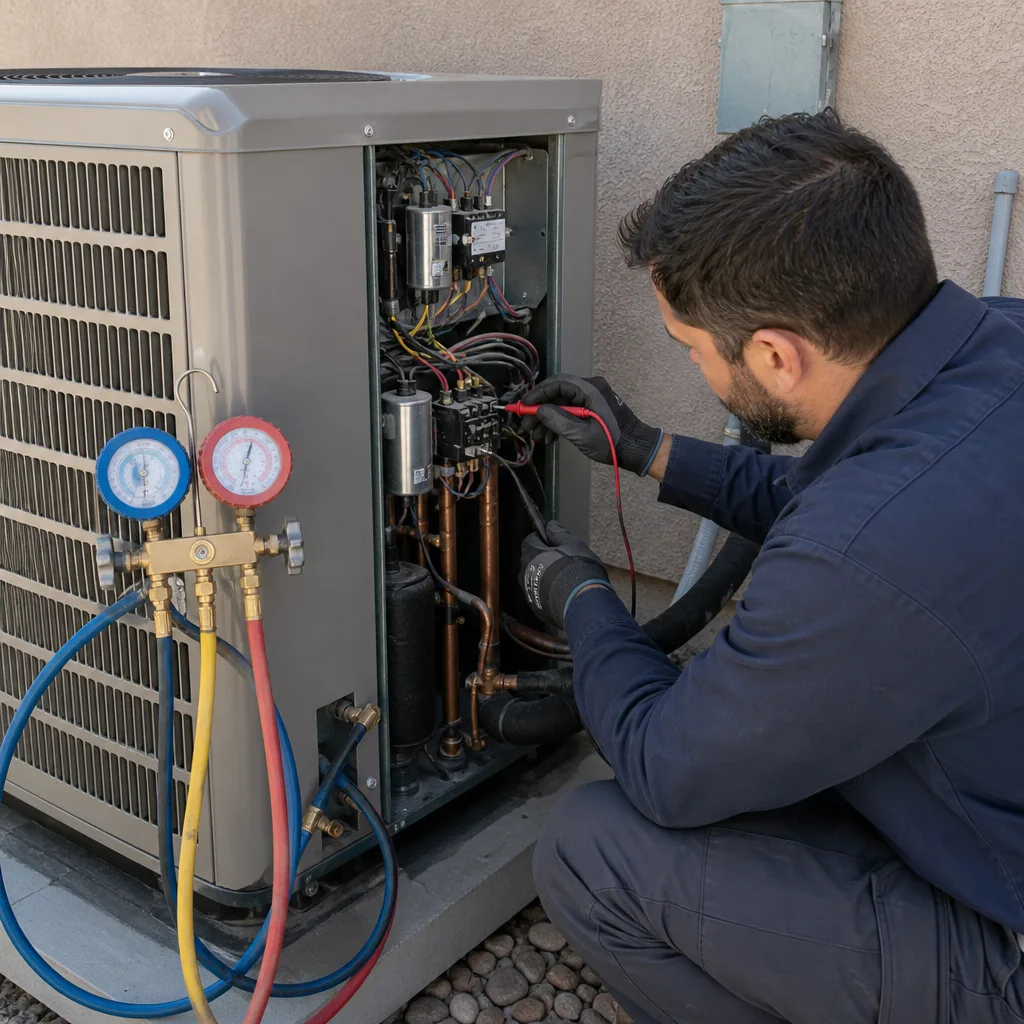 After
After