
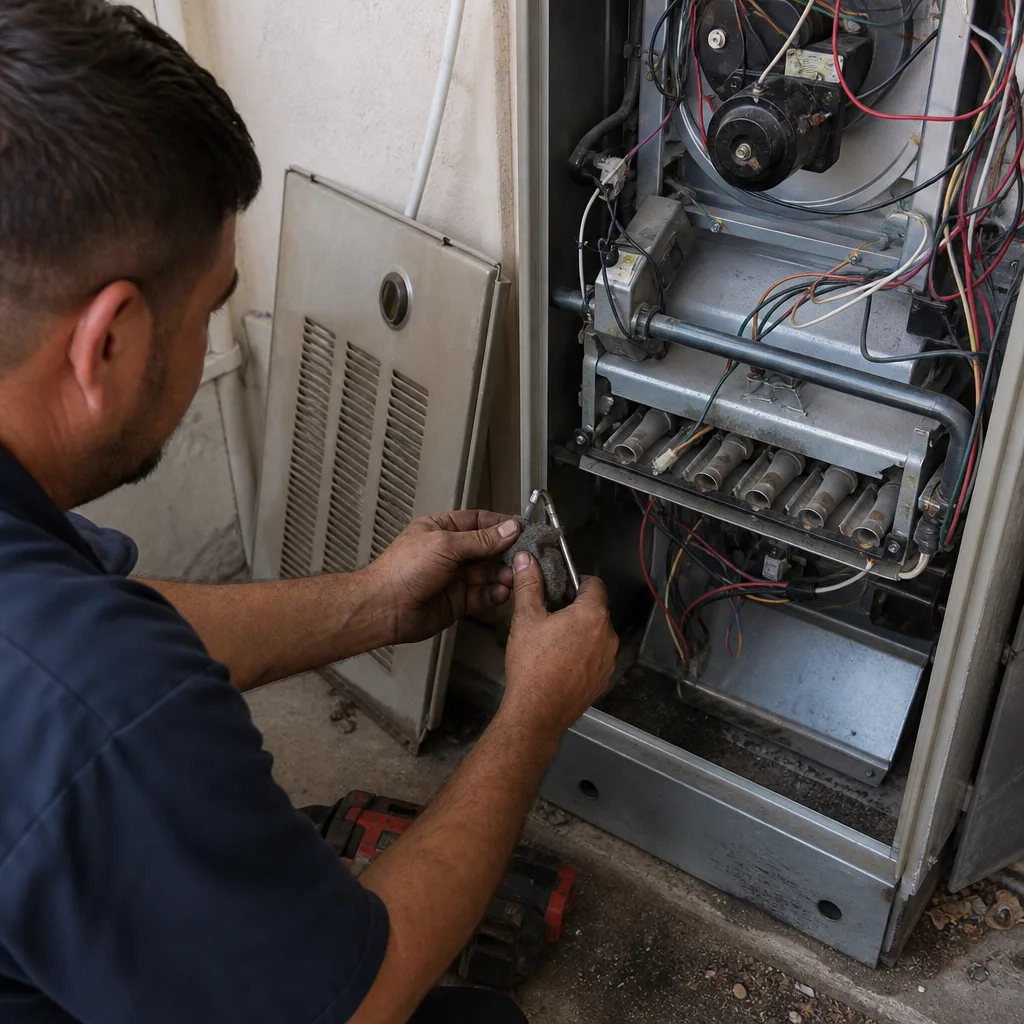
Last updated October 16, 2026
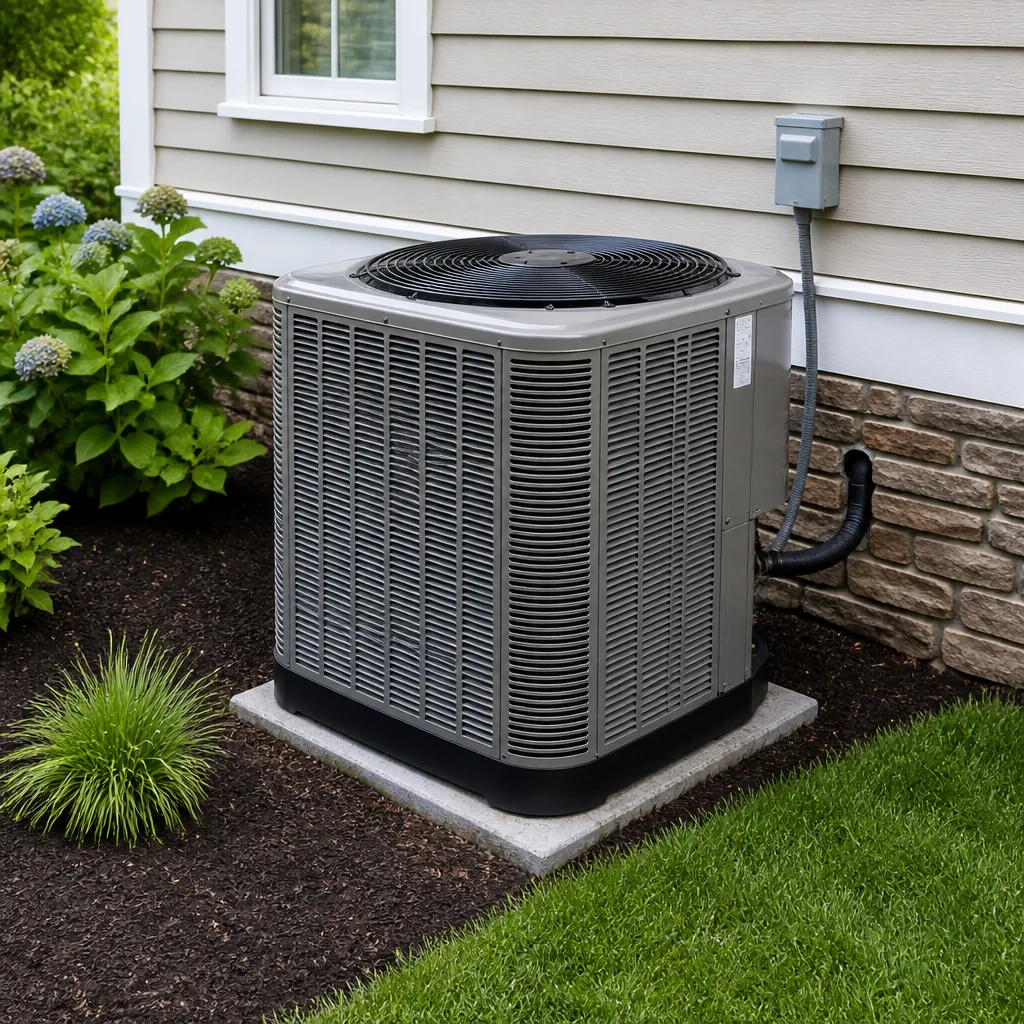 AC repair
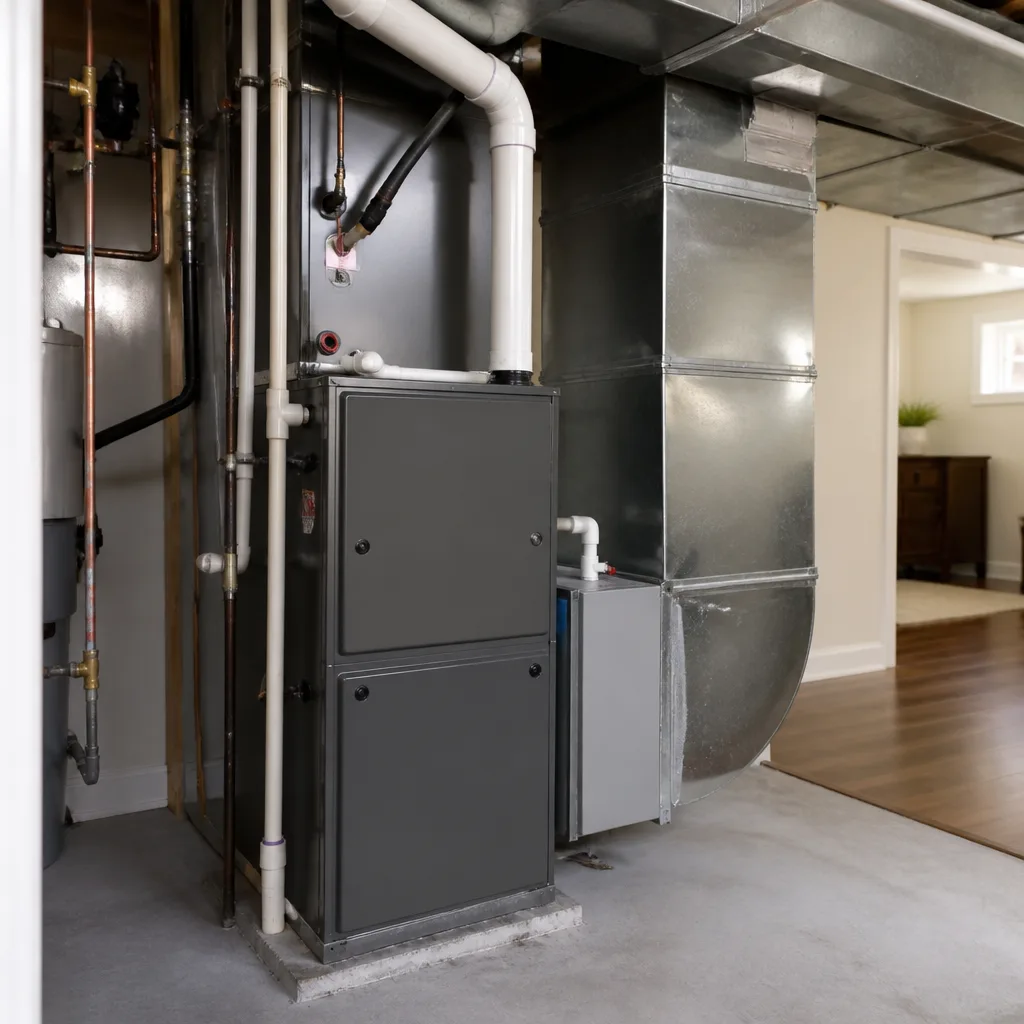 Furnace & heating
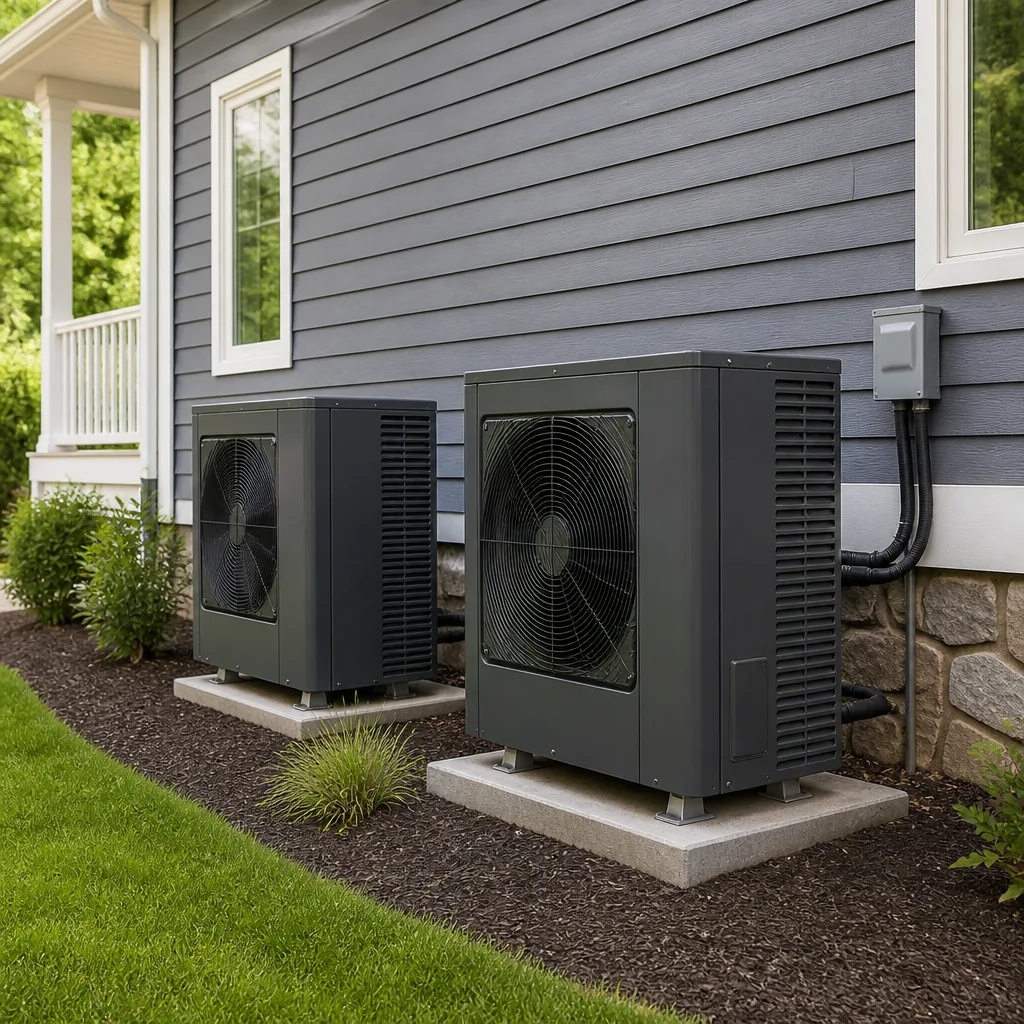 Heat pumps
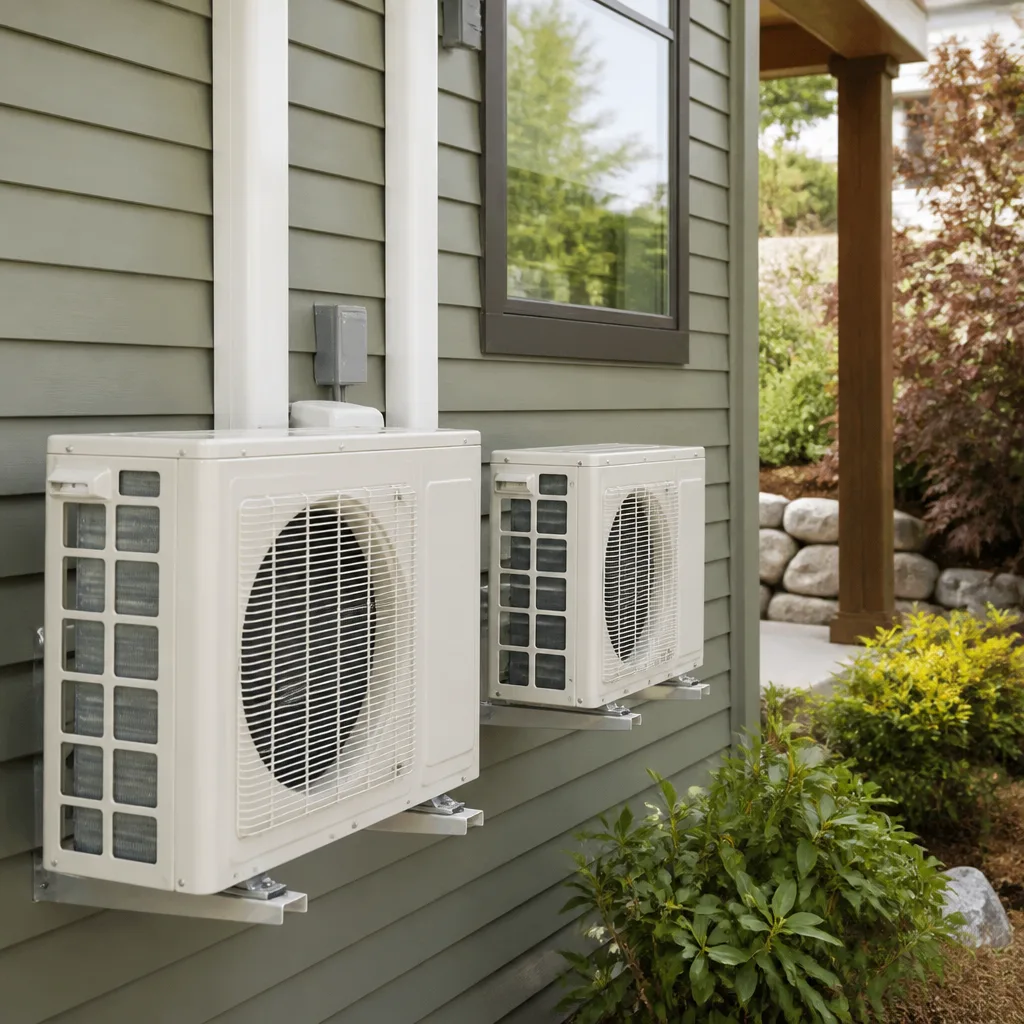 Ductless mini splits
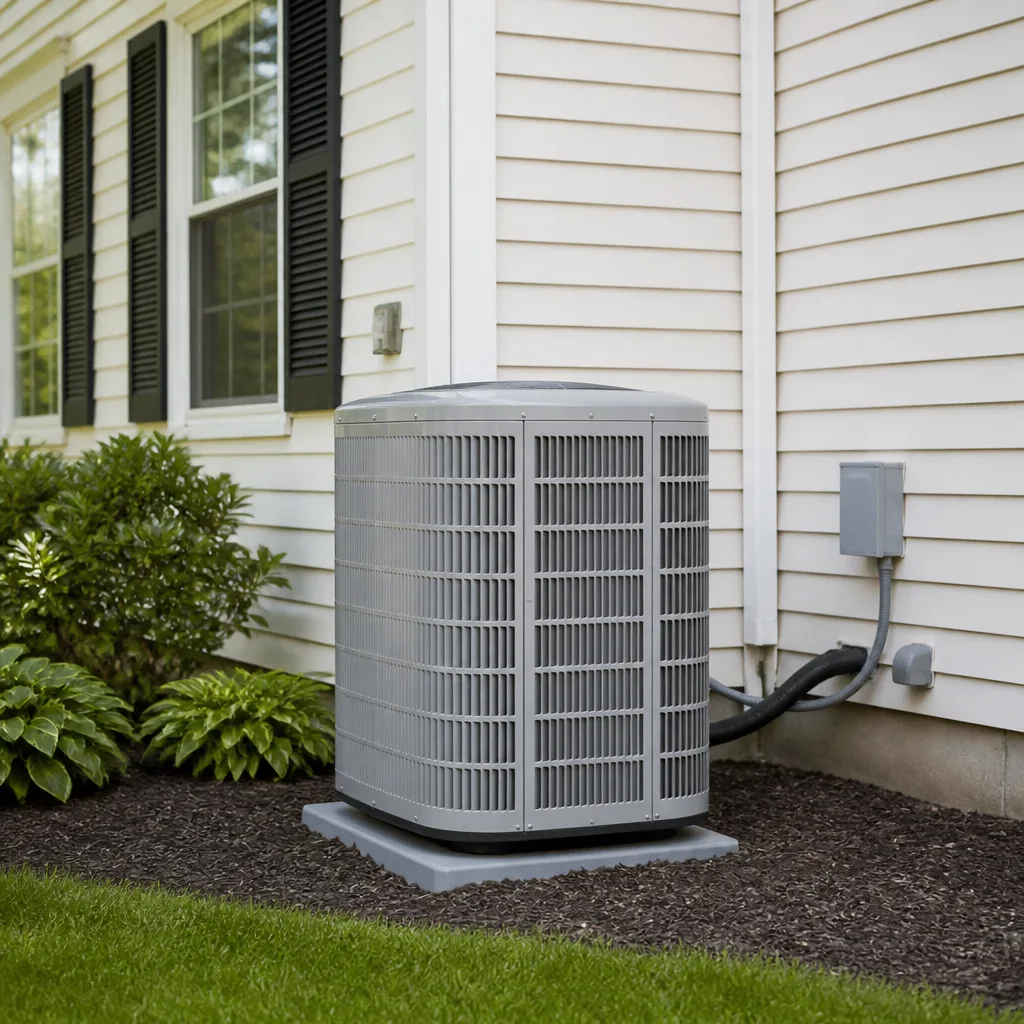 Carrier
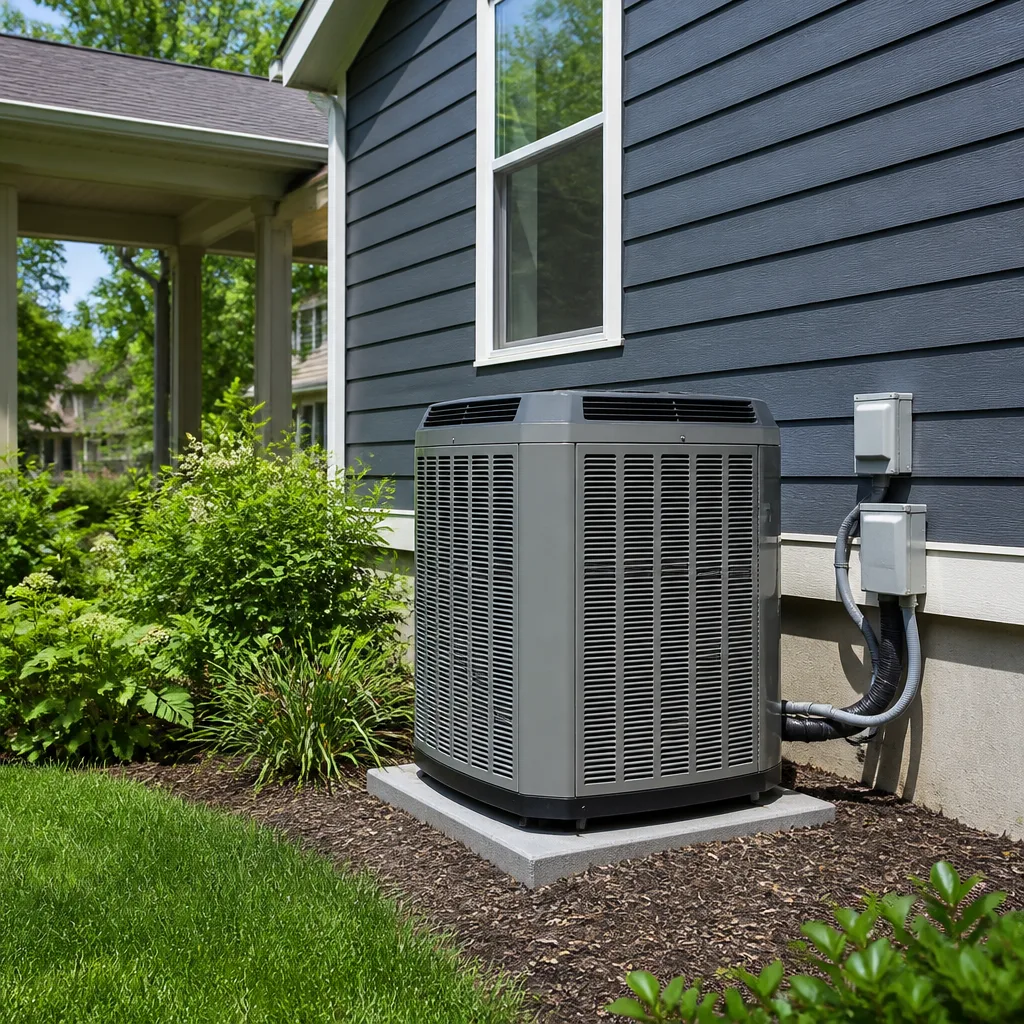 Trane
Trane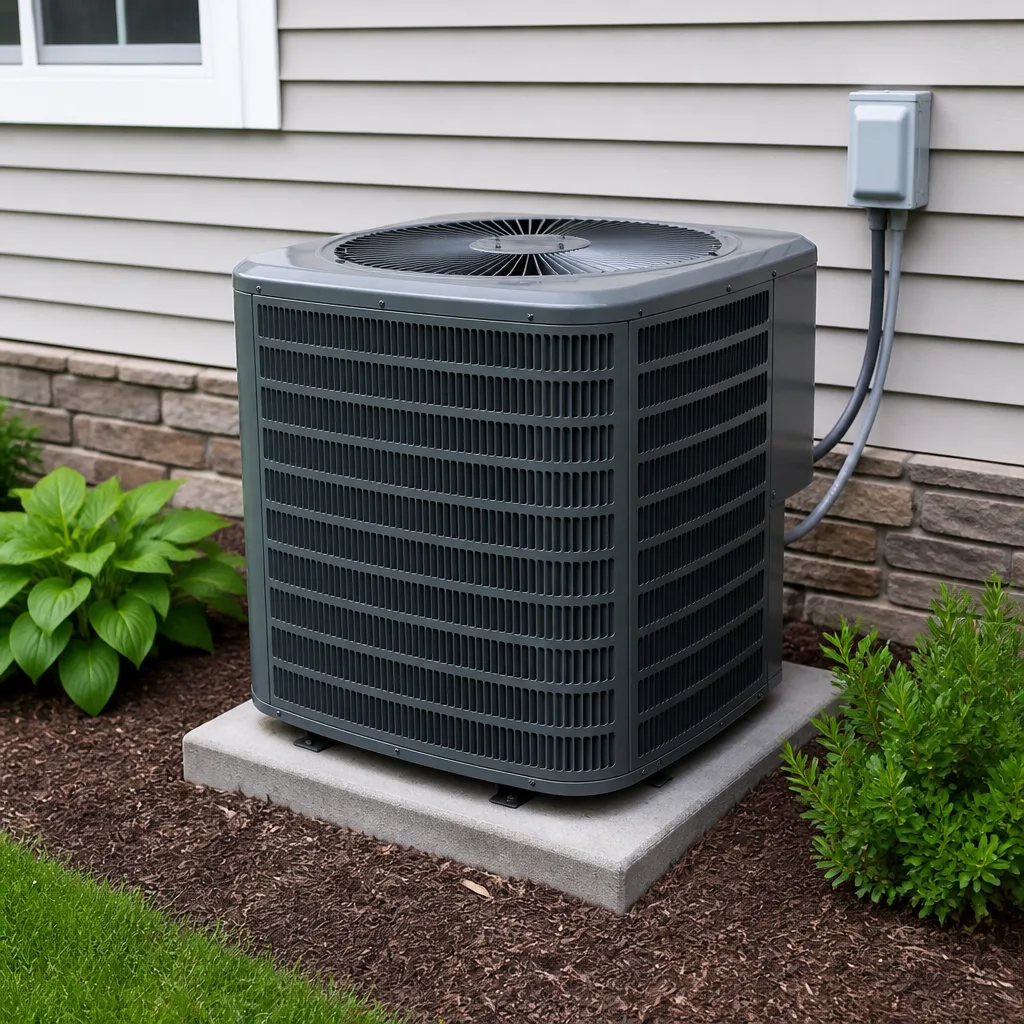 Goodman
Seasonal tune-up and full diagnostic on your Carrier, Trane, or Goodman system - readings shown to you before any repair is proposed
Diagnosis first, numbers second - you approve the repair price before a single part goes in.
Get your free estimateHow to Hire a HVAC Contractor in Las Vegas: A Step-by-Step Guide
Nevada’s Contractors Board consistently places HVAC among the top five trades for consumer complaints in Clark County, and the root cause is almost never a lack of credentials. It’s a lack of paper. Homeowners get burned when a verbal estimate becomes a bigger invoice, when a “quick fix” turns into a callback that nobody will answer, and when a technician’s promise evaporates the moment the truck pulls away. This Las Vegas guide will not hand you a generic checklist of polite questions. It will teach you what a contractor must hand you in writing before you authorize a dollar of work, and how to read that paper like someone who has watched two decades of Las Vegas HVAC jobs go right and wrong.
Quick Answer
Hiring an HVAC contractor in Las Vegas means verifying a Nevada C-21 license on the NSCB website, demanding a written estimate before work begins, and requiring a written guarantee that covers labor for at least 365 days. You do not hire on price alone, and you never authorize work from a verbal quote. A legitimate Las Vegas HVAC company will hand you a written price, a firm arrival window, and a guarantee on paper before a single tool comes out of the truck.
Styles & brands we work with
Table of Contents
- Step 1: Verify the Nevada C-21 License in Under Two Minutes
- Step 2: Demand a Written Estimate With Five Specific Items
- Step 3: Read the Scope of Work Like a Contractor, Not a Customer
- Step 4: Catch Red Flags on the First Phone Call
- Step 5: Understand What a 365-Day Labor Guarantee Should Actually Say
- Step 6: Account for Las Vegas Climate and Code Realities
- Step 7: Know the Real Las Vegas Price Ranges Before You Call
- Common Mistakes to Avoid
- When to Call a Professional
- Frequently Asked Questions
Step 1: Verify the Nevada C-21 License in Under Two Minutes
Every legitimate HVAC contractor in Las Vegas must hold a C-21 license issued by the Nevada State Contractors Board. This is not a suggestion, and a business card with a license number printed on it is not proof. The NSCB website lets any homeowner search by business name or license number in about ninety seconds, and that search will tell you three things that matter more than the number itself: whether the license is active, whether it carries restrictions, and whether there is a history of disciplinary action.
Here is the two-minute process:
- Go to the Nevada State Contractors Board website and open the license search tool.
- Enter the company’s business name exactly as it appears on their paperwork. If nothing comes up, try the owner’s name.
- Confirm the license classification says C-21, which covers air conditioning, refrigeration, and heating work.
- Check the status field. It must say “Active” or “Current.” Anything else, such as “Suspended,” “Revoked,” or “Expired,” is an automatic disqualification.
- Look at the bond and insurance fields. An active C-21 license requires a current bond and workers’ compensation coverage, and both should display without gaps.
An expired C-21 license is not a paperwork oversight. In Las Vegas, we have watched unlicensed individuals pick up work after a company folds, then disappear when a coil replacement turns into a lawsuit. A restricted license can mean the board has limited what that contractor may do, often because of a past complaint. Do not negotiate with a contractor who cannot show an active, unrestricted C-21. That conversation is over before it starts.
We are Cold Harbour Heating and Air Las Vegas home, and when homeowners call us, our license status is something we expect them to check. Any contractor who bristles at being looked up is telling you something about how they operate.
Step 2: Demand a Written Estimate With Five Specific Items
A verbal quote is legally meaningless in Nevada. If a technician looks at your condenser, scratches a number on a pad, and says “around eighteen hundred,” you have no enforcement mechanism when the invoice arrives at twenty-six hundred. The written estimate is the single most important document in the entire hiring process, and a real Las Vegas HVAC company will hand you one before any work is authorized.
A written estimate that protects you contains five specific items. Anything less is a reason to pause.
- The full price, not a range. “Between $1,500 and $2,200” is a guess, not an estimate. You want the exact dollar amount the job will cost.
- A line-item breakdown. Equipment cost, labor hours, refrigerant, permits, and any disposal fees should each appear on their own line. This lets you compare estimates apples to apples.
- Specific equipment model numbers. If a new condenser is going in, the estimate should name the brand and model, not just “16 SEER unit.” You have a right to know exactly what is being installed in your home.
- The start date and completion window. “Sometime next week” is not a schedule. A firm date, or at minimum a firm two-day window, should appear in writing.
- The guarantee terms. The estimate must state what is covered, for how long, and what happens if the repair fails. If the word “guarantee” appears nowhere on the page, neither does the contractor’s obligation to you.
At Cold Harbour Heating and Air Las Vegas, a written price is handed to the homeowner before a single tool comes out of the truck, and it does not change at the door. That practice is one of the five values of The Kingswell Way: say the price before the work, show up in the window given, leave the place cleaner than found, put the guarantee in writing, and come back if it fails. We were founded in 2003 as part of the Kingswell network of independently owned and operated HVAC businesses, and this is not a slogan we hang on the wall. It is the process we follow on every job, and we recommend Las Vegas homeowners demand it from any contractor they call.
Step 3: Read the Scope of Work Like a Contractor, Not a Customer
The scope of work is where honest contractors and upsell artists separate themselves. A scope of work is the written description of exactly what the technician will do, in what order, and with what materials. It should read like a recipe. If it reads like a brochure, you are being sold something you did not ask for.
Here is how to spot the difference. A genuine recommendation will always tie back to a specific observation the technician made in your home. “Condenser fan motor is drawing 2.1 amps at rated 1.4, bearings are audible, and capacitor is at the edge of its tolerance. Recommended: replace fan motor and capacitor together.” That is specific, measurable, and rooted in your unit. An upsell line sounds like this: “Comprehensive system enhancement package for maximum performance.” That sentence describes nothing and justifies a higher price with adjectives, not facts.
Read the scope for these four signs of honest work:
- Measurements appear in the description. Amp draws, temperature splits, static pressure readings, and refrigerant levels are numbers a technician actually records. If none appear, the diagnosis is thin.
- Each line item answers “why.” A good scope says “replace contactor due to pitted contacts causing intermittent failure.” A bad scope says “contactor replacement.”
- Brand names are specific. A condenser replacement calling for a “Carrier 24SCA5” or a “Trane XR16” tells you the contractor ordered a real unit. Vague equipment descriptions often become “whatever the supply house had” at install time.
- Exclusions are stated. Honest scopes list what is not included: drywall repair, duct modification, electrical panel upgrades. If the scope promises everything, it is promising too much.
- “Parts covered, labor not.” A guarantee that covers only the physical part but charges you another service call fee and labor rate for the replacement is not a guarantee. It is a discount coupon. In Las Vegas, where labor rates for a second visit can run $120 to $180, this exclusion quietly wipes out most of the value.
- “Normal wear and tear not covered.” This phrase is a trap door. Almost every repair failure can be described as wear and tear, which means the contractor has built themselves an exit. A real guarantee does not need this language because it is meant to be honored, not escaped.
- Hiring based solely on the lowest bid. A low price in Las Vegas almost always means a corner cut somewhere: skipped permits, unlicensed labor, or a condenser the installer “got a deal on.” If one estimate is $2,500 below every other bid, that money is coming out of your wall somewhere.
- Accepting a verbal quote. In Nevada, if it is not on paper, it did not happen. No written estimate, no work, no exceptions.
- Skipping the license check. An active Nevada C-21 license is the minimum bar. If you do not check it, you are trusting the word of a stranger about a legal requirement, and that stranger is about to work on a system attached to your home’s electrical supply.
- Not reading the guarantee language before signing. “Parts covered, labor not” is not a warranty. It is a coupon. Read the exclusions.
- Ignoring the scope of work. The scope is not fine print. It is the entire agreement. If it says the technician will “service the unit” without specifying what that means, you are authorizing whatever they feel like doing.
- Choosing a company that cannot give you a firm arrival window. Your time has value, and a contractor who will not commit to four hours of their day does not respect your time before they even have your money.
- Letting a summer emergency force a fast decision. It is July, it is 112 degrees, and your AC is dead. We get it. But an unscrupulous contractor knows exactly how desperate you are, and that pressure is built into their price. If you can, get two written estimates before authorizing major work, even in an emergency.
Our technicians are trained to service nine major residential HVAC brands, including Carrier, Trane, Lennox, and Goodman, meaning the person who shows up can diagnose whatever system is already in your Las Vegas home. When a repair is recommended in our written scope, it includes the measurement behind the recommendation. We do not expect you to be an electrician. We do expect you to be able to read our reasoning and see that a real diagnosis happened.
Step 4: Catch Red Flags on the First Phone Call
Most hiring guides tell you to watch for red flags at invoice time, but by then you have already lost. The first phone call is where unreliable Las Vegas HVAC companies reveal themselves, and you only need to listen for three things.
Red flag one: no live person answers. In Las Vegas, where a failed AC unit in July is a health emergency for children and elderly residents, a voicemail tree at 2 p.m. on a Wednesday tells you everything about how that company will treat a callback request after a repair fails. Our phones are answered by a live person 24 hours a day, seven days a week. There is no phone menu and no “leave a message and we’ll get back to you within one business day.” When your compressor quits in August, you need a human voice, not a recording.
Red flag two: vague arrival windows. “We’ll be there sometime between 8 and 5” is not an appointment, it is a hostage situation. A contractor who cannot commit to a window cannot manage a schedule, and if they cannot manage a schedule, they cannot manage a repair. Expect a firm window in writing before you agree to the visit.
Red flag three: reluctance to discuss price. If a dispatcher says “the technician will go over pricing when they arrive,” you are about to be sold, not served. There is no legitimate reason a company cannot give you a service call fee and a written estimate range over the phone, with the understanding that the detailed written price comes after diagnosis. Anyone who refuses to talk numbers before sending a truck is planning to negotiate against your discomfort.
One more thing: ask who is coming to your home. We dispatch background-checked, uniformed technicians on every visit, so Las Vegas homeowners always know exactly who is walking through their front door. If a company cannot tell you who will show up, assume the worst.
Step 5: Understand What a 365-Day Labor Guarantee Should Actually Say
Every HVAC company claims to stand behind its work. Very few put it in writing, and fewer still write it in plain English. The guarantee is where Las Vegas homeowners get taken because the language is designed to sound reassuring while excluding almost everything that can actually go wrong.
A proper 365-day labor guarantee says this: if the repair fails within one full year of the service date, the contractor returns and corrects the work at no additional charge. That is it, and that is exactly what our 365-Day Done Right Promise says. We issue a written guarantee on every repair, and if the repair fails inside that 365-day window, Cold Harbour Heating and Air Las Vegas returns and fixes it at no charge. No argument. No prorated discount. No “well, that’s a different part.” The guarantee is on paper before our technician leaves your home.
Now here are the two exclusions that make most “warranty” language hollow, and what to look for when you read a competitor’s guarantee:
Ask for the guarantee language in writing before you sign anything. If the contractor will not put it on paper, the guarantee does not exist. Victor Mancini, who leads Cold Harbour Heating and Air Las Vegas, has kept this promise in writing since 2003 because a handshake in Las Vegas evaporates about as fast as the shade on a summer sidewalk.
Step 6: Account for Las Vegas Climate and Code Realities
Hiring an HVAC contractor in Las Vegas is not the same as hiring one in Boise or Portland. Two local realities change what you should look for, and a contractor from out of town, or one who treats this market like any other, will miss both.
The climate reality: your AC unit is running at full throttle for five months solid. A Las Vegas summer routinely pushes 110 degrees and higher, and your system will log more runtime in one July than a Portland system logs in a full year. For that reason, the quality of the installation matters more than the price of the equipment. A poorly installed condenser in Las Vegas will die early deaths. A properly installed unit from a mid-range brand like Goodman or Lennox will outlive a premium Carrier or Trane unit that was installed sloppily. When you evaluate estimates, weight the scope of work and the guarantee heavily. In Summerlin, Anthem, and Mountain’s Edge, we regularly see systems fail because the original installer skipped a vacuum procedure or used undersized refrigerant lines, not because the equipment was bad.
The code reality: permits are enforced, and unpermitted work can bite you at resale. Clark County requires permits for most HVAC replacements and many major repairs. An honest Las Vegas contractor files for the permit and includes the fee as a line item on your written estimate. A contractor who suggests “skipping the permit to save you money” is saving themselves paperwork and putting a cloud over your home sale later. Nevada law also requires that HVAC work be performed by a C-21 licensed contractor, and unpermitted, unlicensed work discovered during a home inspection can delay or kill a sale in the Las Vegas market.
These are the realities that make hiring well in this city different from anywhere else, and they are the reason the written estimate matters so much. A Las Vegas HVAC contractor should know both, and their paperwork should reflect that knowledge.
Step 7: Know the Real Las Vegas Price Ranges Before You Call
You cannot negotiate with a contractor if you do not know what the work actually costs in this market, so review our HVAC Cost Breakdown: The Las Vegas Homeowner’s Reference for 2026. Here are the honest price ranges for common HVAC jobs in Las Vegas in 2026, based on the work we see across the valley:
| Job Type | Typical Las Vegas Range | What Affects the Price |
|---|---|---|
| Diagnostic service call | $89 – $129 | Travel distance, time of day, company overhead |
| Capacitor replacement | $180 – $320 | Single vs. dual capacitor, access difficulty |
| Condenser fan motor replacement | $350 – $620 | Motor horsepower, OEM vs. universal part |
| Contactor replacement | $170 – $300 | Single vs. double pole, brand |
| Refrigerant recharge (topping off the cooling fluid your AC needs to run) | $200 – $450 | Refrigerant type, pounds needed, leak severity |
| Full AC replacement (3-ton, 14-16 SEER) | $5,500 – $9,500 | Brand, efficiency rating, ductwork condition, permit fees |
| Furnace replacement (80% AFUE) | $2,800 – $4,800 | Unit size, venting configuration, access |
These are market ranges, not quotes. Your home’s specific needs may push a price above or below these numbers. What matters is that any estimate you receive is within a defensible range for Las Vegas, and that the written scope tells you exactly why.
If your AC has failed and you are facing a repair or replacement decision, our AC Repair in Las Vegas page walks through the diagnosis process in detail. If the unit is beyond saving, our AC Installation in Las Vegas page covers what a proper replacement should include. And when winter hits the valley and the furnace won’t fire, our Furnace Repair in Las Vegas page covers the most common heating failures we see.
Call (725) 726-3813 for an exact quote on your home’s system. Estimates are free, and the written price you receive is the price you pay.
Common Mistakes to Avoid
When to Call a Professional
You should have a professional Las Vegas HVAC company on the phone the moment your system shows signs of real trouble: warm air blowing from the vents in cooling mode, a burning smell from the furnace, ice on the refrigerant lines, a compressor that will not start, or a carbon monoxide detector going off. These are not DIY situations, and in the case of gas furnaces and electrical panels, a wrong move can injure you or damage your home. Do not attempt to repair a high-voltage system or a gas line yourself. A trained technician carries the right diagnostic tools and knows how to shut a dangerous system down safely.
If you are hiring for a new system installation or a major repair in Las Vegas, call us before the job starts. Cold Harbour Heating and Air Las Vegas offers free estimates in Las Vegas, and we will put the price, the schedule, and the guarantee in writing before any work begins. Call (725) 726-3813.
Frequently Asked Questions
You verify a Nevada C-21 license on the Nevada State Contractors Board website by searching the business name or license number and confirming the status reads “Active” with no restrictions. The search takes under two minutes, and any contractor unwilling to let you check is not worth hiring.
A written Las Vegas HVAC estimate should include the full price, a line-item breakdown, specific equipment model numbers, a firm start date, and the written guarantee terms. If any of these five items is missing, ask for a revised estimate before authorizing work.
Most Las Vegas AC repairs run between $170 and $450 for common fixes like capacitors, contactors, and fan motors, while larger repairs like a condenser replacement can run $1,200 to $2,800. Full system replacements range from $5,500 to $9,500 depending on size and efficiency. Call (725) 726-3813 for a free written estimate on your specific unit.
A true 365-day guarantee covers the labor to return and fix a failed repair within one full year at no additional charge, and it is stated on paper before the technician leaves. Beware of guarantees that exclude labor or “normal wear and tear,” as those exclusions erase most of the warranty’s value.
Price differences come from equipment quality, labor skill, permit compliance, and whether the contractor is licensed and insured. A low bid in Las Vegas often means unlicensed labor, skipped permits, or a contractor who plans to make up the margin on surprise charges at the door.
As a general rule, if the repair costs more than 30% of a new unit’s price, or your system is over 12 years old and using outdated refrigerant, replacement usually makes better financial sense in Las Vegas, where summer runtimes are extreme. A written estimate with the repair cost and a replacement quote side by side will make the decision clear. Call (725) 726-3813 for both numbers in writing.
The Bottom Line
Hiring an HVAC contractor in Las Vegas is not about finding the lowest bid or the best advertising. For more guides & resources, explore our blog. It is about finding a company that will hand you a written price before the work starts, show up in a window it committed to, and back its labor with a written guarantee that actually means something. Verify the C-21 license, read the scope of work, and do not authorize a dime on a verbal promise. Cold Harbour Heating and Air Las Vegas has held to that standard since 2003, and every job we do puts the price, the schedule, and the 365-day guarantee on paper first. Call (725) 726-3813 for a free estimate, and hold us to it.
Written by Victor Mancini, Owner at Cold Harbour Heating and Air Las Vegas, serving Las Vegas since 2003.
See the difference
 Before
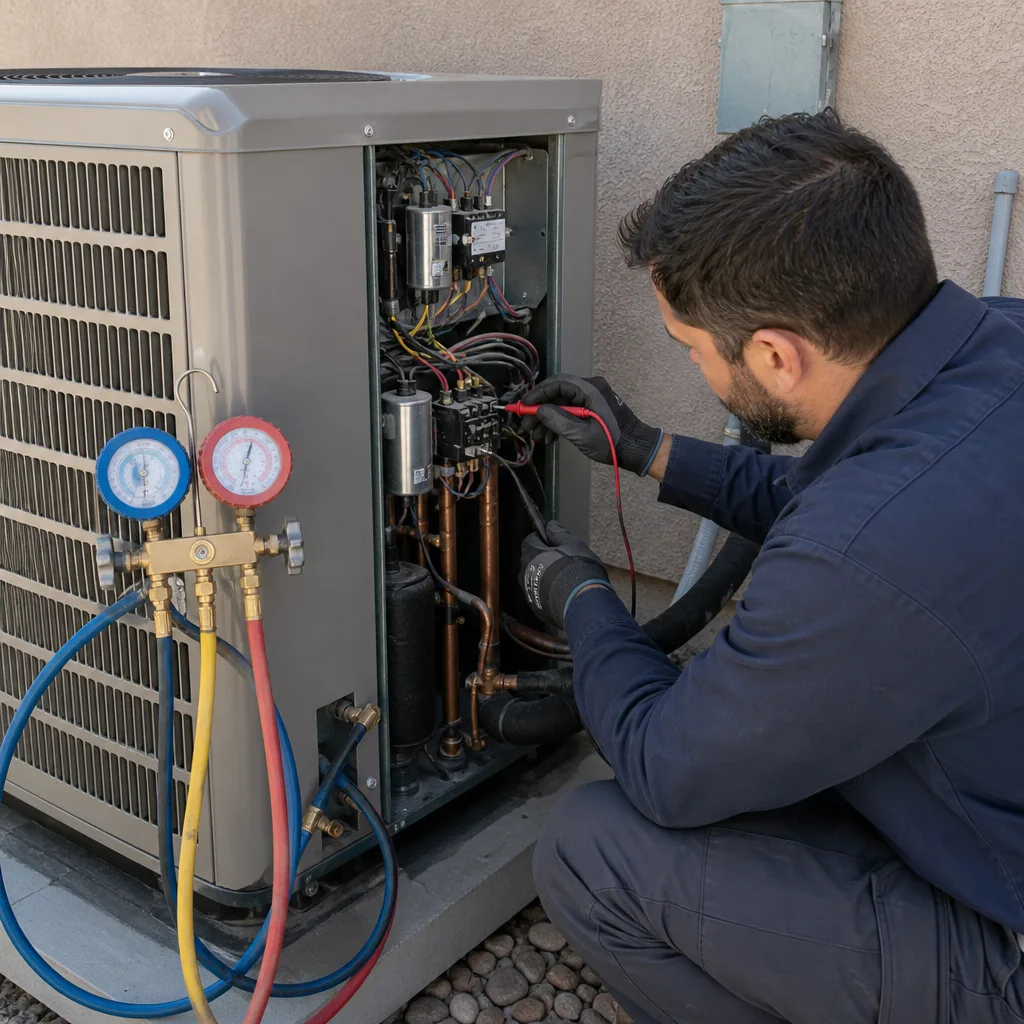
 After
After Before
 After
After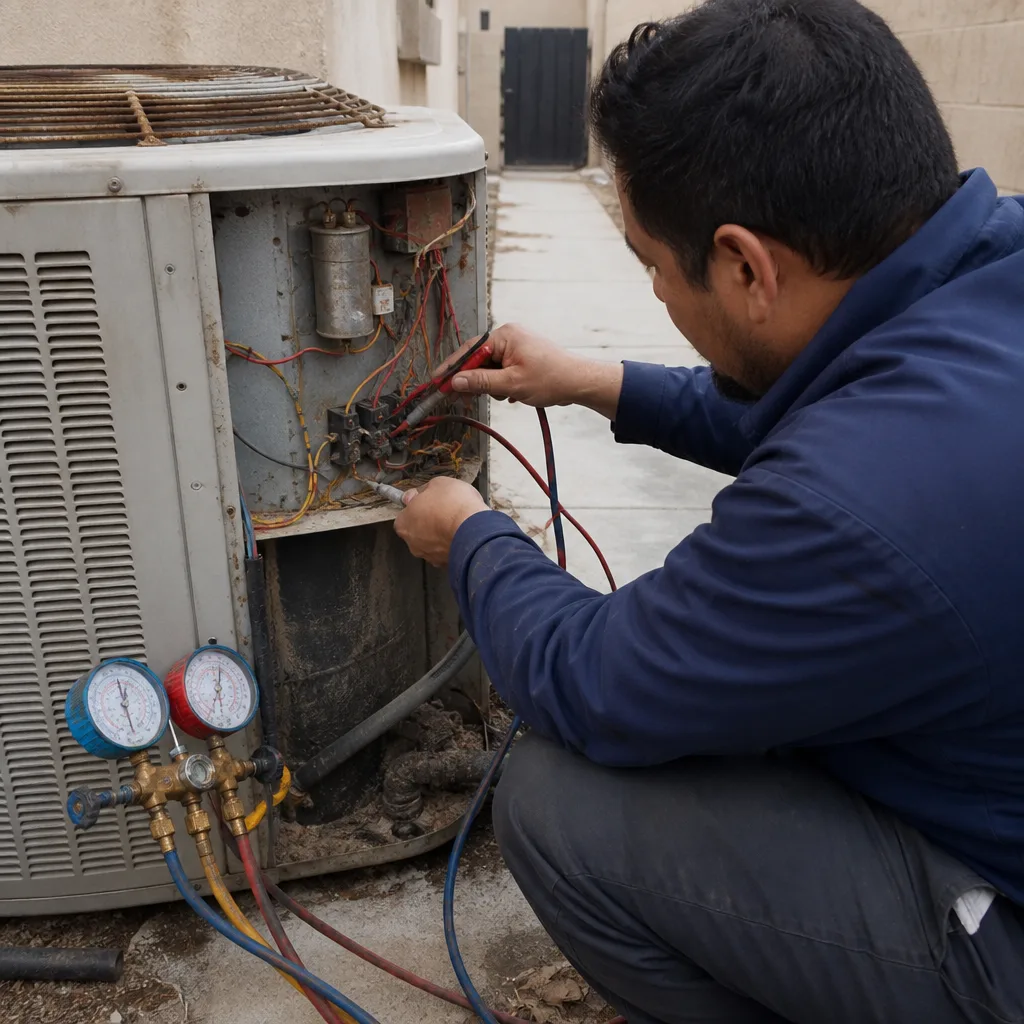 Before
 After
After